


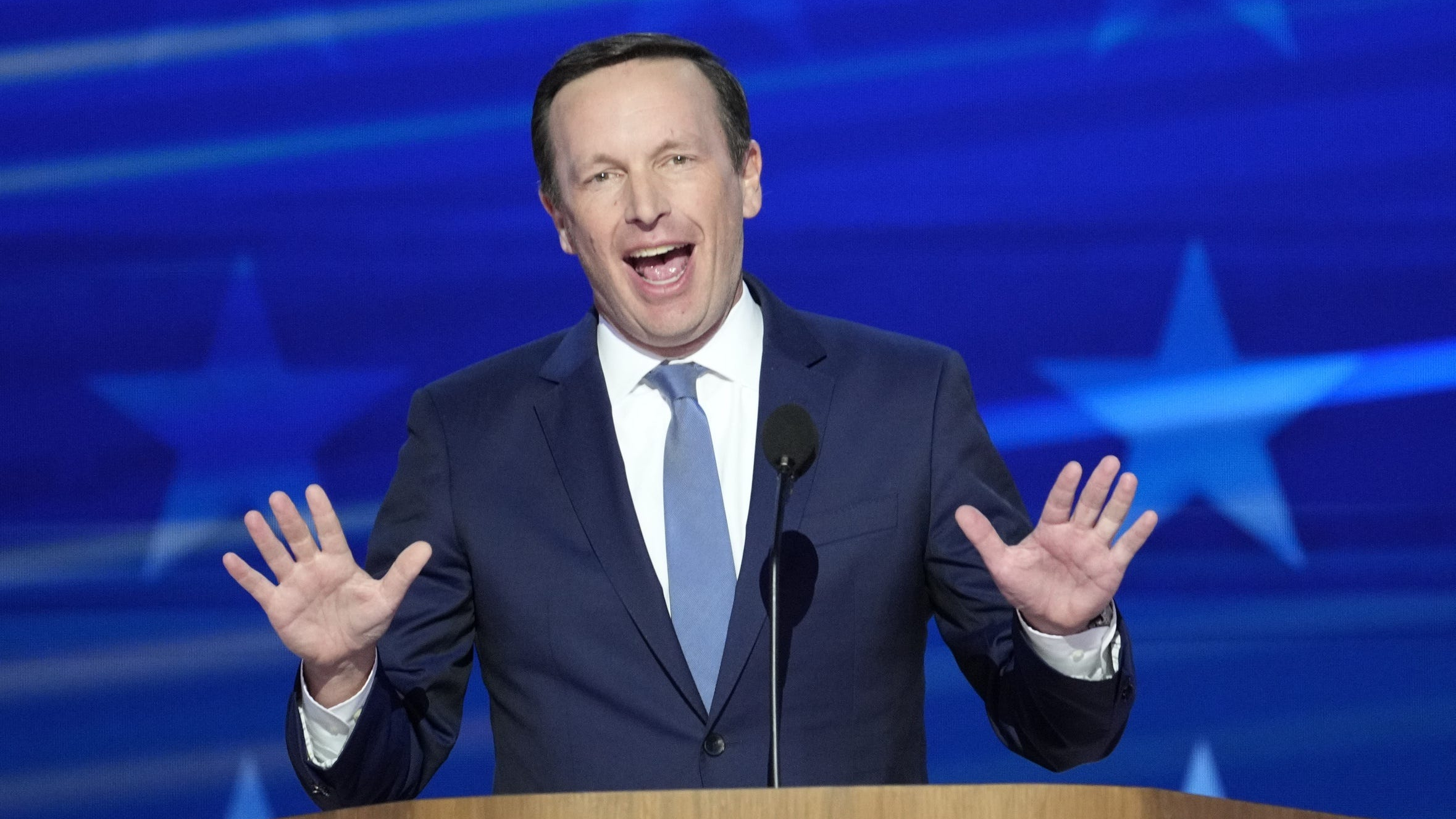
Senator Chris Murphy’s Stance on Transgender Athletes in Sports
Context of the Discussion
In recent conversations surrounding transgender athletes, particularly in women’s sports, Democratic Senator Chris Murphy of Connecticut has maintained a controversial position. While some members of his party, such as California Governor Gavin Newsom, have begun to distance themselves from the policy advocating for males to compete in female sports categories, Murphy appears steadfast in his support.
Interview Insights
During a recent interview with the New York Times, Senator Murphy was asked about his views regarding the fairness of transgender athletes, specifically biological males, competing in women’s sports. When prompted by host Ross Douthat, Murphy hesitated in his response but ultimately refrained from labeling the situation as unfair.
In a pointed exchange, Douthat inquired whether Murphy would view it differently if he had a daughter participating in these sports. Murphy responded, “I, I, I don’t have a girls, right, so I necessarily can’t right I, I, I can’t put myself in that position.” He seemed hesitant to express a personal opinion on the matter.
Empathy Towards Parents
Douthat urged Murphy to consider the perspectives of parents who have daughters competing in sports. Murphy then countered with experiences from his conversations with parents in Connecticut, stating that many do not perceive it as unfair. He mentioned, “I’ve talked to lots of parents of girls in Connecticut who do not think it’s unfair…” highlighting the importance of teamwork over competition concerns.
Concluding Thoughts
Ultimately, Murphy concluded with his support for transgender athletes being able to participate in sports in their communities. He stated simply, “My conclusion is that I would support those athletes being able to participate in my community.” This stance has drawn criticism from those who argue that it undermines the integrity and safety of women’s sports.
Public Reaction
The reactions to Murphy’s comments reveal a significant divide in public opinion regarding transgender participation in athletics. While some advocate for inclusion, others express concerns about fairness and safety in women’s sports. As this dialogue continues, it raises important questions about policy, identity, and the future of competitive athletics.
