


As the world faces escalating climate challenges, the transition to renewable energy has become imperative. With 2024 already charted as the hottest year on record, countries are grappling with the urgent need to shift away from fossil fuels, particularly coal.
In Indonesia, however, the reliance on coal is deep-rooted, especially in regions like East Kutai, East Kalimantan. Here, coal mining constitutes nearly 75% of the district’s gross regional domestic product (GRDP), making it an economic cornerstone for many communities.
This coal dependency poses significant threats to local populations as environmental degradation negatively impacts traditional forest-based livelihoods, already on the wane due to mining activities. Many residents anticipate severe job losses as the industry inevitably winds down.
Aulia, a 31-year-old Dayak woman from East Kutai, shares her concerns:
We’re heavily dependent on mining—it’s the only thing that gives us a substantial income.
Despite this precarious situation, indigenous Dayak women are spearheading a quiet transformation aimed at creating sustainable alternatives.
Challenges Faced by Women and Indigenous Communities
While coal mining has propelled economic activity in East Kalimantan, the wealth generated is disproportionately distributed. In the latest assessments for 2024, Kutai Kartanegara and East Kutai are among the poorest areas of the province.
Instead of witnessing prosperity, many individuals grapple with environmental degradation and the erosion of traditional livelihoods, heavily impacting women who often find themselves excluded from decision-making processes in the mining sector.
The indigenous Dayak Basap community, which once thrived in a forested environment, faces challenges as their habitat is replaced by mining operations. Men often migrate to work in the mines, forcing women to adapt by exploring new income-generating activities. Some have embraced entrepreneurship, while many have taken to cultivating crops in their backyards.
Resilience Through Community Agriculture
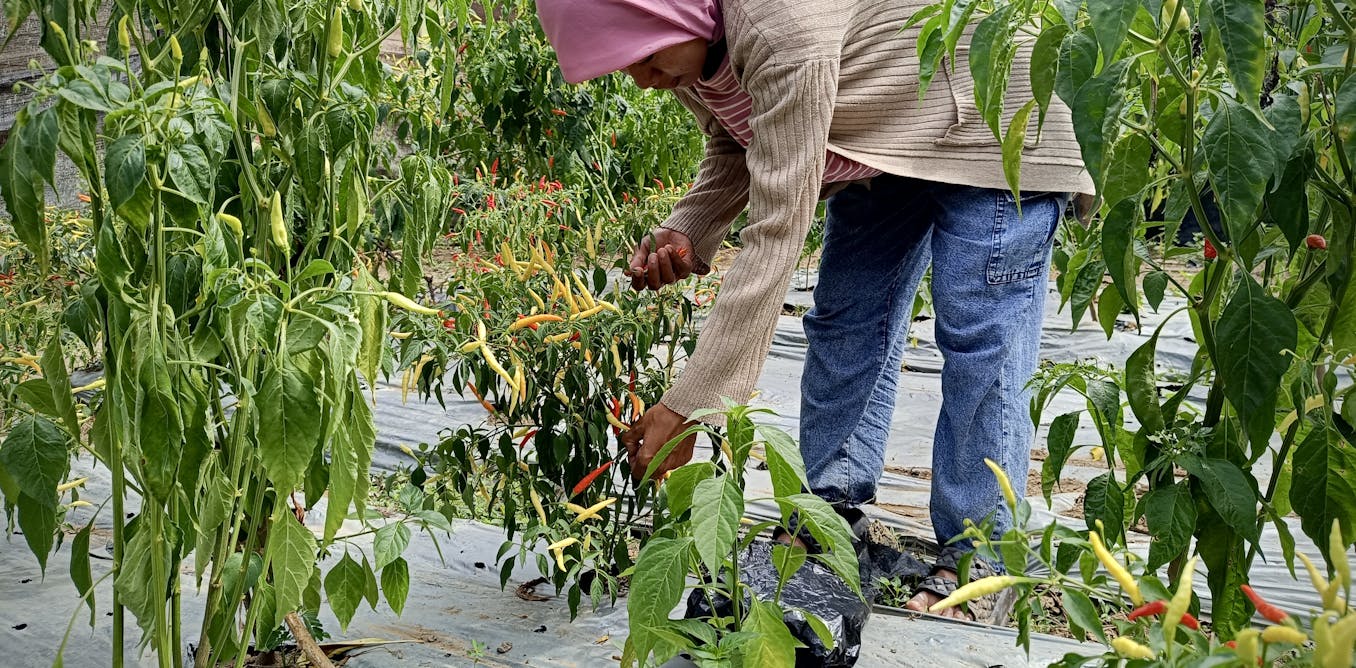
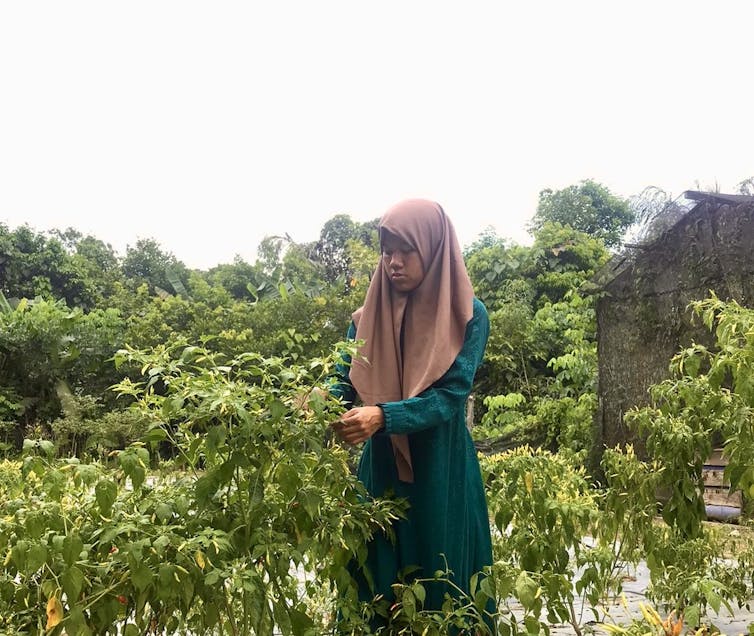
As economic conditions evolve, Basap Dayak women are transforming their backyards into productive gardens, cultivating high-demand crops such as chillies, spinach, and watercress.
This agricultural initiative, supported by a 2024 pilot project from Just Transition Indonesia and Parahyangan University, is backed by the local NGO Energi Muda. It encourages blending traditional farming techniques with modern permaculture practices, enhancing the soil’s health through methods such as composting and crop rotation.
The effort has engaged local youth as community mobilizers, facilitating the shift towards more sustainable practices.
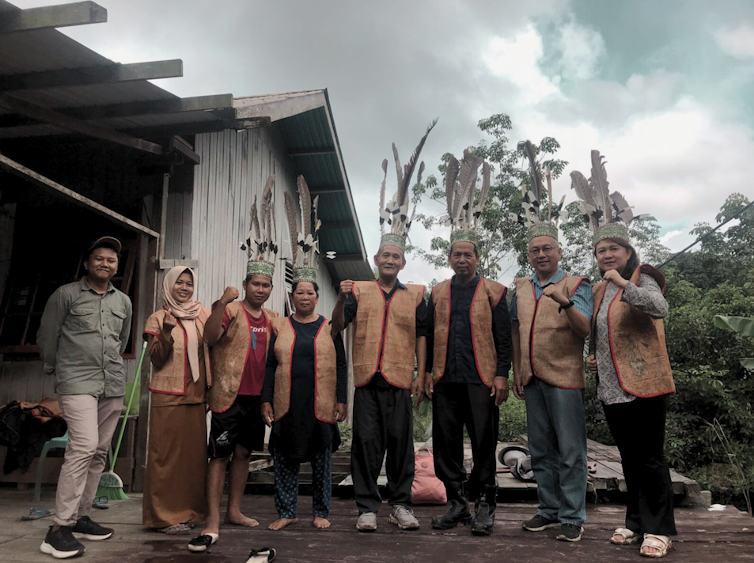
Initial results from this community-led initiative show promise. With scientific support from the startup HARA, the Dayak Basap women are addressing challenges like acid soil and water contamination from mining activities. Their crops have even outperformed traditional farming yields.
Furthermore, these women are gaining economic control by selling their produce directly to consumers, including local restaurants and snack producers, enhancing their bargaining power.
Challenges in the Shift Toward Sustainability
Despite the optimistic developments, the obstacles are considerable. Land previously exploited for mining takes time to return to productive use. Acidic soil and heavy metal contamination hinder agricultural success, and access to necessary tools and fertilizers remains limited for these communities. Often, they resort to purchasing seedlings to expedite planting.
This chilli planting program has been very good. It’s just that the condition of the land was inadequate and hard to improve. If there’s a chance, maybe we can try farming that lasts more than just one season—Indigenous Dayak women.
The transition from short-term cropping to sustained agricultural management necessitates ongoing education and support, which cannot be achieved swiftly and requires substantial mentorship.
Grassroots-Led Transitions for Sustainable Outcomes
Experiences from this initiative underscore several vital lessons:
- Local community involvement—in particular, the engagement of women—is crucial for successful energy transitions.
- Community-centered approaches often yield greater sustainability than top-down implementations that fail to address specific local needs.
- Policy frameworks must prioritize grassroots initiatives, ensuring they not only reach transition goals but also promote social and environmental justice.

Energi Muda
In the broader context, Indonesia has reaffirmed its commitment to energy transition through international agreements like the Paris Agreement and the Just Energy Transition Partnership (JETP). However, these commitments must resonate with the realities faced by communities affected by extractive industries, particularly indigenous women.
A fair energy transition requires ongoing steps, targeted support, collaborative partnerships, and a genuine commitment from all stakeholders. Through the lens of the Dayak Basap women’s experience, a blueprint for a successful transition emerges. Their accomplishments illustrate that, even within coal-dependent areas, economic diversification is achievable provided that community needs are genuinely prioritized and supported by effective local leadership.
