


Julie Cutts Peterson Challenges Transgender Participation in Cycling Competitions
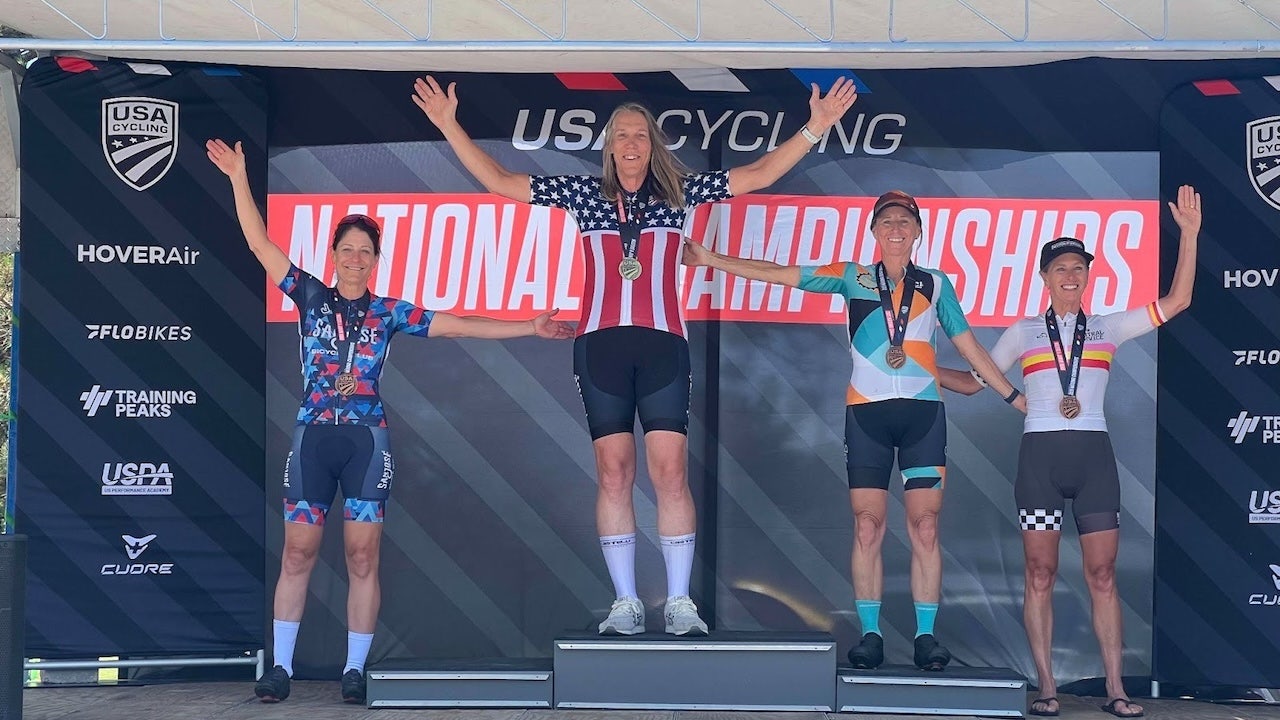
In a recent interview, veteran cyclist Julie Cutts Peterson shared her experience and frustration after competing in the 2023 Lyons Masters National Championships, where she placed second to transgender athlete Kate “KJ” Phillips, who took home the gold medal.
Unforeseen Competition
Reflecting on the race, Peterson expressed her dissatisfaction at the participation of Phillips, who was assigned to compete in the women’s category despite being a biological male. “At the finish line, I was upset. I said, ‘I did not want to race against a man,'” Peterson recalled, highlighting the audience’s reaction to her comments.
Concerns Over Fairness and Communication
Peterson, who has extensive cycling experience, noted that the competition’s dynamics shifted dramatically during the final sprint—“that was a man’s sprint,” she asserted, emphasizing the physical differences attributed to male and female categories.
Peterson, along with other competitors, claimed that USA Cycling failed to disclose Phillips’ registration prior to the race. “Apparently, we’re hearing that from other athletes as well,” stated Sandra Smith, co-anchor of “America Reports.” Competitor Debbie Milne echoed these concerns, asserting that Phillips’ name was absent from the registration list, which they perceived as deception.
The Response from USA Cycling
In response to inquiries regarding this incident, USA Cycling provided their transgender eligibility policy, which permits individuals to compete in the gender category aligning with their gender identity, provided a formal declaration is made.
Scientific and Ethical Considerations
Peterson articulated her beliefs regarding the scientific principles surrounding gender. “There is no amount of makeup, money, or marketing that can change that Y-chromosome, and that’s why we are taking a stand,” she argued. This sentiment reflects a growing debate surrounding the inclusion of transgender athletes in women’s sports—a matter of significant discussion within the athletic community.
Conclusion: A Call for Transparency
Following these events, Peterson expressed her concern for transparency in competitive sports. Had she known about Phillips’ registration prior to her participation, she might have reconsidered her entry, revealing the potential for significant implications on athletes’ decisions and the integrity of competition.
This situation echoes similar sentiments being expressed in various sports disciplines, highlighting the ongoing need for dialogues surrounding inclusivity, fairness, and the evolving landscape of athletic competition.
