


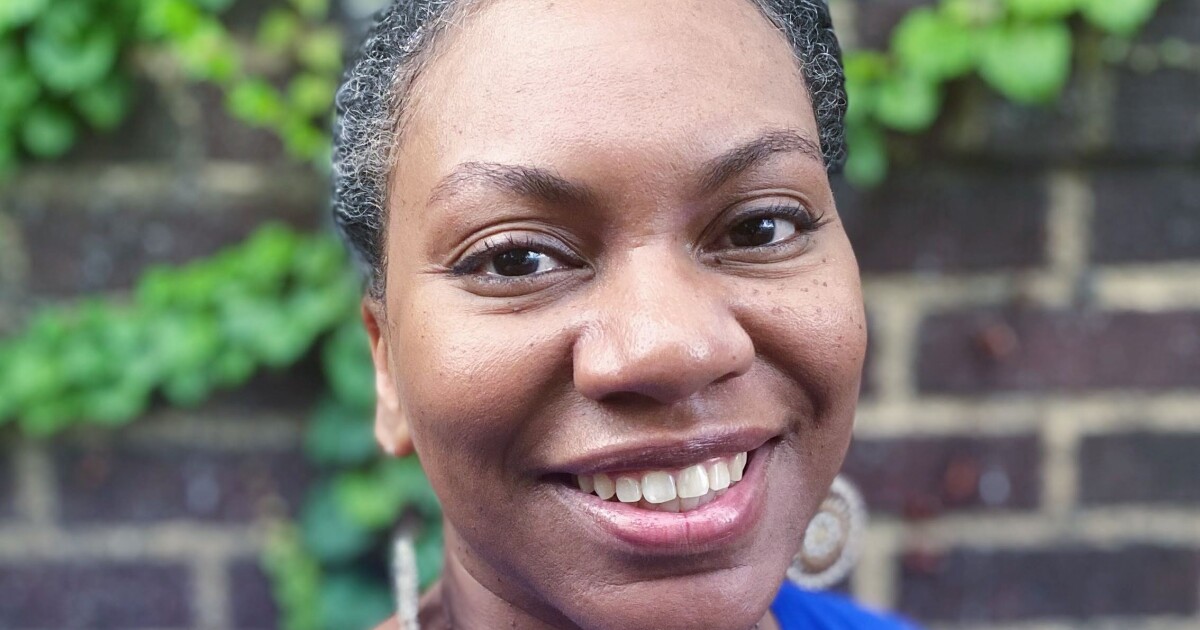
Tahirah J. Walker, an accomplished academic and author, has long been a vital voice in discussions surrounding the experiences of Black women in Pittsburgh. Residing in the city for 25 years, she reflects on her journey from Newark, N.J., to Pittsburgh, where her observations have informed both her personal narrative and professional insights.
New Book Highlights Systemic Challenges
In her recently released book, “Rhetoric, Intersectionality, and Black Women in Pittsburgh,” Walker articulates findings rooted in her doctoral dissertation from Duquesne University. The subtitle, “Living Enough for the City,” draws inspiration from a lyric by Stevie Wonder, highlighting the intersection of personal and academic exploration within its pages.
Walker emphasizes that Black women in Pittsburgh have faced systemic marginalization due to intersections of race, gender, socioeconomic status, and, at times, sexual identity. “The stakes of talking about Black womanhood, and what some of the things are that we should be paying attention to, are very high for me,” she remarked, especially as a mother raising three daughters.
Academic and Community Engagement
Currently a faculty member at Point Park University, Walker also chairs the Department of Community Engagement & Leadership. Her academic journey includes positions at prominent institutions such as Pitt and Penn State, reinforcing her commitment to education and community development.
Spike in Inequality Reports
A critical reference in Walker’s work is the 2019 report by the Pitt School of Social Work, which labeled Pittsburgh as potentially the most detrimental city for Black women regarding health, employment, and educational opportunities. This disturbing finding invites further inquiry into the underlying reasons for such disparities in a city rich with resources.
Examining Leadership Dynamics
According to Walker, the systemic barriers are often a result of who controls these community resources. “Where do you see Black women in leadership? Where do you see them in roles where they can set the tone for the organization?” she questions, highlighting the sparse representation of Black women in influential positions during decision-making processes.
Each Story Counts
Walker’s writing traces her personal experiences, including confronting racism in academic spaces and navigating her identity. By sharing these narratives, she sheds light on the complexities of silence imposed on and chosen by marginalized communities. Central to her argument is the practice of “parrhesia,” or speaking truth to power, particularly among Black women activists and scholars.
Hope Amidst Challenges
While many challenges persist, Walker remains optimistic. She references the historical impact of Black Pittsburghers on American culture, from influential media like the Pittsburgh Courier to notable figures in the arts and civil rights movements. Walker notes that despite the current climate attempting to suppress diversity efforts, there are numerous hopeful signs.
Noteworthy mentions include the civil rights lawsuit led by parents that resulted in the establishment of the desegregated Woodland Hills School District in 1982, as well as the ascendance of recent political figures like state Representative La’Tasha Mayes and U.S. Representative Summer Lee. Both women have made significant strides in representation in Pennsylvania’s political landscape.
A Diverse Community
Walker also emphasizes that the term “Black women” should not be perceived as a monolith, acknowledging the diverse experiences shaped by individual interests, educational backgrounds, and personal circumstances. Specifically, she advocates for greater inclusion of Black trans women in discussions about Black womanhood and activism.
Conclusion: The Outlook for Change
When asked about the potential for positive change in the community, Walker confidently affirmed, “I am, if nothing else, an optimist. So my answer to that question is always emphatically yes.” Her advocacy underscores a sustained commitment to engaging with the complexities of identity and representation in Pittsburgh.
