


Tasmania’s Proposed Public Homebirth Model: Enhancing Choices and Safety
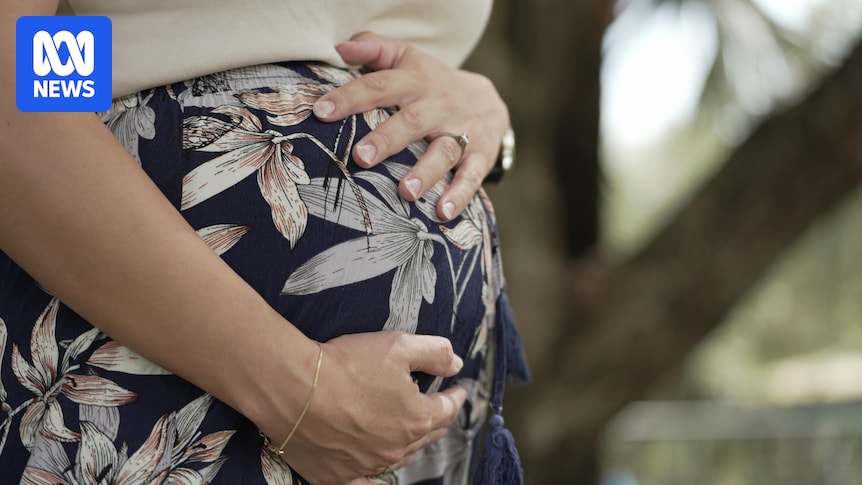
The Tasmanian government is evaluating the introduction of a public homebirth model aimed at increasing reproductive choices for women in the state. Currently, women desiring homebirths can only engage privately practising midwives, a situation identified by the Department of Health as problematic due to “demand exceeding current availability” and financial concerns. The department’s consultation paper highlights that some women are resorting to freebirth—giving birth without any registered professional—due to limited options and dissatisfaction with conventional hospital settings.
The Impetus for Change
Health Minister Bridget Archer explained that this initiative is designed to “help Tasmanians deal with the challenges they face.” She emphasized that pregnancy and childbirth are crucial moments for families, and the new model aims to provide women with increased control over how and where they give birth. The proposed public homebirth option would enable midwives in the public health system to assist at home births, offering women safer, more personalized, and empowering care.
Benefits for Midwives
According to Emily Shepherd, the secretary of the Australian Nursing and Midwifery Federation’s Tasmanian branch, there has been considerable demand from midwives to have publicly funded homebirth options that also provide insurance protection. This new model is expected to create various employment opportunities, helping to attract midwives back to the workforce.
- Addressing workforce shortages is essential, Shepherd noted, as it ensures adequate care for women already birthing in Tasmania.
- The new model aims to entice midwives to consider returning or entering the profession with diverse employment options.
Enhancing Safety for Women
Dr. Nisha Khot, President-elect of the Royal Australian and New Zealand College of Obstetricians and Gynaecologists, supported the proposal, citing evidence that home births can be safe for low-risk women. Public implementation of home births will make this option accessible to a broader audience, potentially reducing cases of freebirth, which poses significant risks. Dr. Khot pointed out that a public program would establish safety protocols, ensuring qualified midwife presence, quick access to hospitals, and a structured approach to care.
Considerations for Homebirth Eligibility
While the benefits of the proposed homebirth model are significant, Dr. Khot underlined that it remains a suitable choice only for low-risk pregnancies. She indicated that women with risk factors should avoid homebirth and instead consider hospital settings to enhance safety. The Department of Health’s consultation document specifies that the public homebirth program would only proceed where safety, quality, and workforce capabilities are assured.
Next Steps
The consultation process for this initiative is currently open and will run until October 19. Stakeholders and community members will have an opportunity to provide feedback on the proposed model.
Support Resources
If you or someone you know requires support during pregnancy, the following resources are available:
- Pregnancy, Birth and Baby: 1800 882 436
- Sands: 1300 072 637 (for miscarriage and stillbirth support)
- PANDA: 1300 726 306 (for perinatal mental health support)
- Bears of Hope: 1300 114 673 (infant loss support for families)
- Lifeline: 13 11 14
- MensLine Australia: 1300 789 978
- Beyond Blue: 1300 22 4636
