


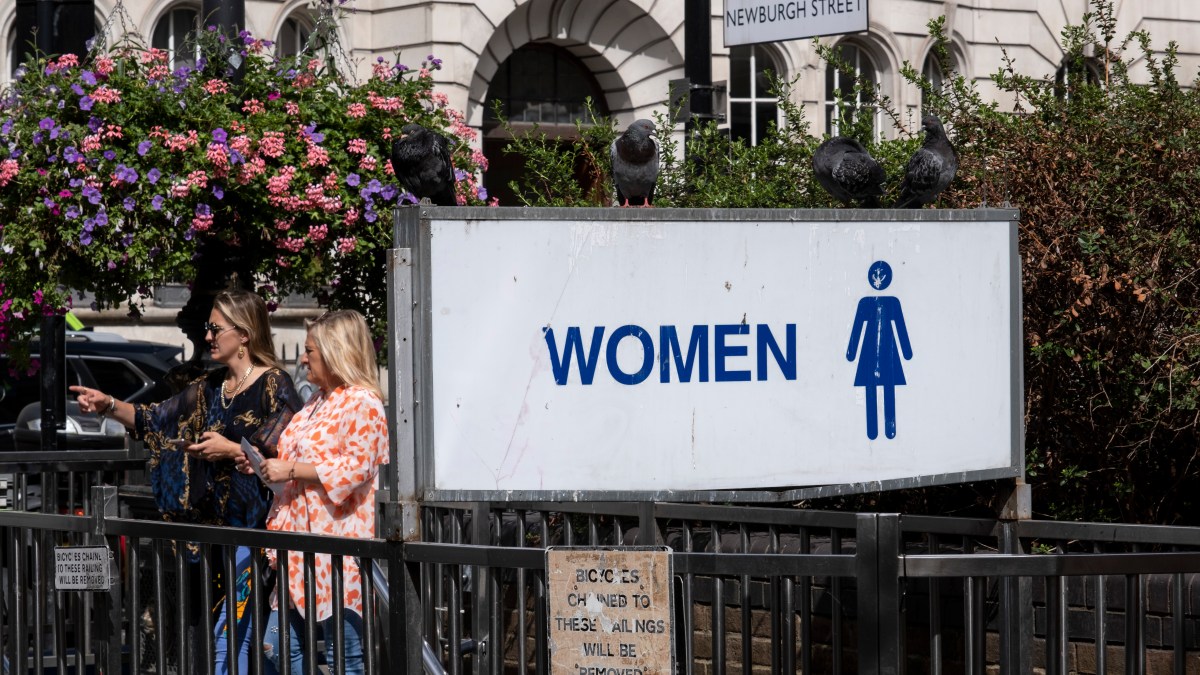
New Guidance on Single-Sex Lavatories: Implications for Businesses
Overview of the Supreme Court Ruling
Recent legal developments have prompted the Equality and Human Rights Commission (EHRC) to issue guidance on single-sex lavatories. This follows a Supreme Court ruling which clarified that the terms “woman” and “sex” in the Equality Act 2010 refer to biological sex rather than acquired gender. Consequently, transgender women—individuals assigned male at birth—are not recognized legally as women in certain contexts.
Potential Discrimination Claims
The EHRC warns that businesses and public entities failing to provide single-sex lavatories may be engaging in “indirect discrimination” against women. This is particularly relevant for establishments such as pubs, restaurants, and shops, as they navigate compliance with this new guidance.
Legal Requirements for Facilities
While single-sex lavatories are required in workplaces and educational institutions, they are not obligatory in public service settings. However, the EHRC guidance indicates that venues opting to convert single-sex facilities into unisex ones could face claims from women regarding indirect discrimination.
Clarity from the EHRC
The Commission emphasizes that mixed-sex facilities can be provided when it serves a legitimate aim, but this approach may still infringe on women’s rights if not addressed appropriately. They clarify that “suitable alternative provisions may be required” for transgender individuals in schools, especially for children aged eight and above.
Industry Reactions and Future Implications
Following the ruling, many organizations are reassessing their policies. For instance, Pat McFadden, Chief of the Cabinet Office under Sir Keir Starmer, stated that the government’s approach requires individuals to use the facilities corresponding to their biological sex but noted there would be no enforcement akin to “toilet police.”
Reports suggest many organizations are struggling to adapt their facilities in light of the ruling, with some considering a move to entirely unisex accommodations, a decision that Helen Joyce from the charity Sex Matters argues could lead to successful claims of indirect discrimination against women.
The Role of Businesses in Adapting to New Norms
As the EHRC works on a detailed code of practice aimed at providing further clarity to businesses by June, it is evident that service providers are under pressure. The guidance underscores the importance of creating environments that respect the rights of all individuals while adhering to legal stipulations regarding sex-based facilities.
