


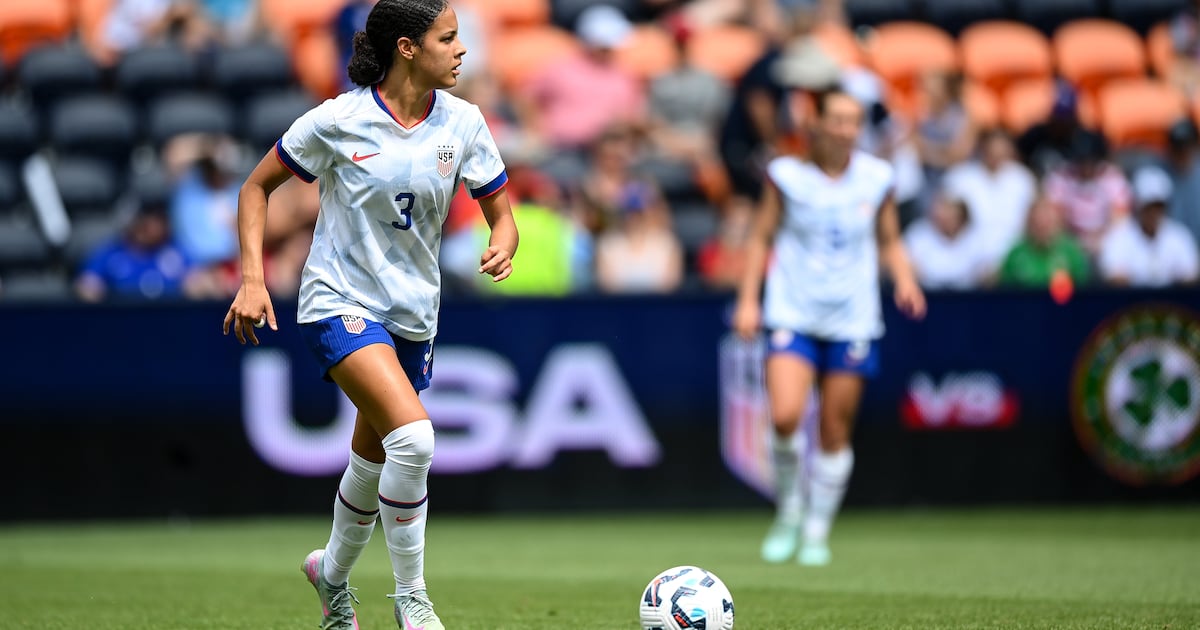
As women’s soccer continues to gain prominence globally, issues related to player workload are becoming increasingly significant. Anne Peterson from the Associated Press highlights that while men’s soccer has long dealt with concerns about player load, this is now emerging as a pressing issue for women as well. More competitions are providing players with additional opportunities to showcase their skills, but they also come with increased travel demands and reduced downtime.
According to Alex Culvin, Director of Global Policy for Women’s Soccer at FIFPRO, there needs to be a concerted effort to balance the international and regional schedules to protect player well-being while fostering the growth of the sport. This complexity is evident in the strategies employed by coaches, notably US Women’s National Team (USWNT) coach Emma Hayes, who opted to leave European-based players out of the latest international window due to concerns about their need for rest and recuperation after a demanding season.
The disparity in seasons adds to the challenge, as European leagues typically run from fall to spring, while the National Women’s Soccer League (NWSL) season spans from early spring through to fall. As a result, coaches must adeptly manage their players’ workloads, taking into account the demands of both schedules.
Moreover, the recent surge in interest has led to the inception of new tournaments and more international competitions. For instance, a 7-on-7 tournament recently held in Portugal attracted eight professional clubs and boasted a substantial $5 million purse, indicating the increasing financial allure of women’s soccer. Upcoming events also promise to expand the competitive landscape, including the launch of a women’s Club World Cup set for 2028 and the introduction of the Women’s Champions Cup scheduled for next year.
With the advent of these new tournaments and extended seasons, some players and coaches are beginning to question the sustainability of these developments. The central concern remains: how much competition is too much for the athletes who dedicate themselves to this evolving sport?
