


Rising Donation Scams in Chicago: Consumer Warnings
CHICAGO — Donation scams are becoming increasingly prevalent, with unsuspecting individuals often finding themselves victims in store parking lots. These schemes usually involve fraudulent solicitors who exploit the goodwill of passersby, claiming to raise funds for charities or funeral services.
How the Scam Operates
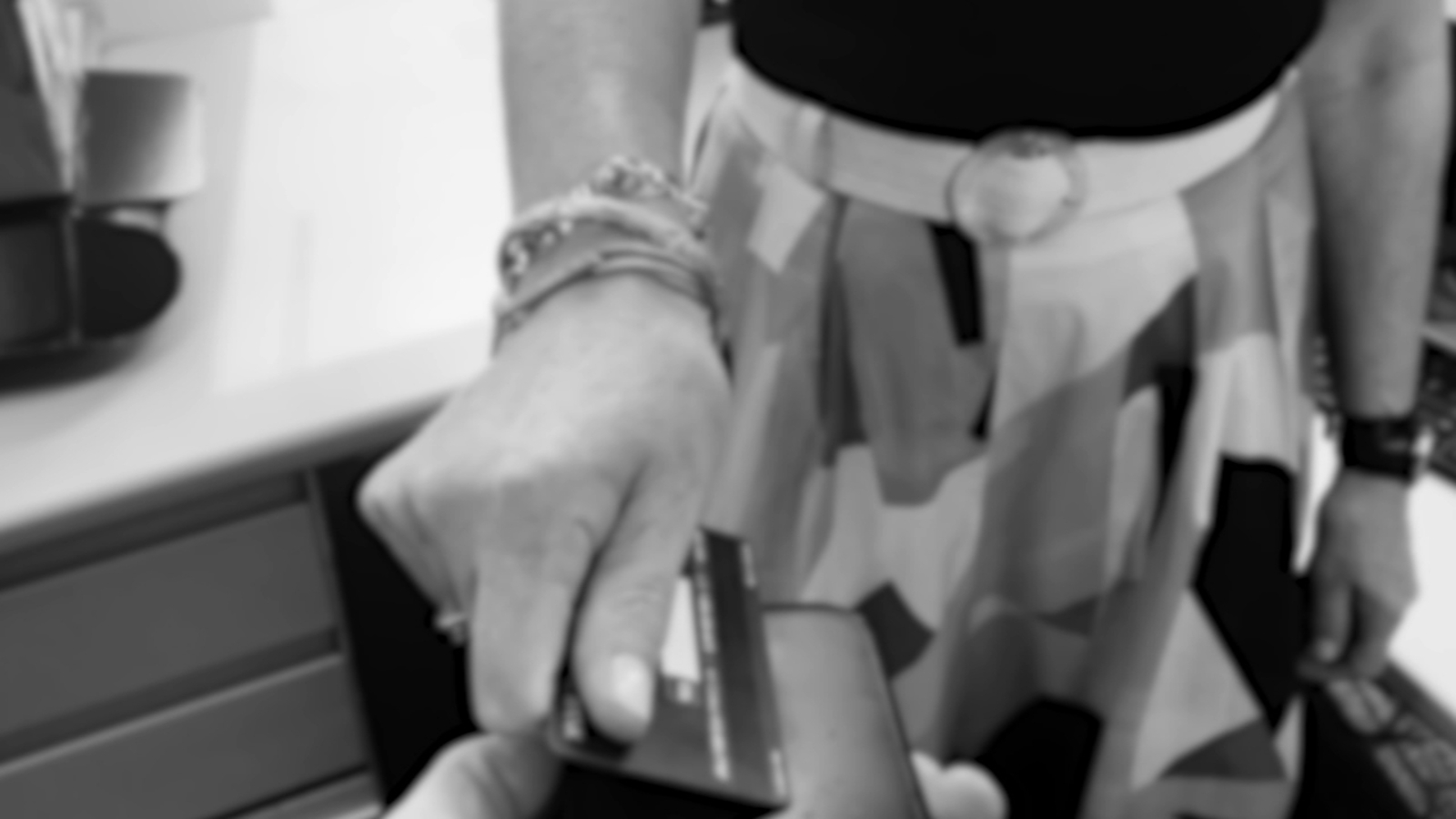
Two women have recently reported being victimized by “tap-to-pay” donation scams. Estelle Fisher recalled, “I never, ever agreed to give $3,000.” Similar experiences occurred for another victim, Kelly, who described the tactics used to create an intimidating atmosphere while soliciting donations. “They kind of wedged between where my car door opened,” she explained.
Testimonials from Victims
The scammers utilized stories of loss to evoke sympathy. “They said they were just raising money for our little brother who died by gunfire,” Kelly noted, mentioning a poster board with pictures displayed by the con artists. Both women were approached outside a drug store, where their initial intentions to donate a small amount quickly escalated into substantial unauthorized charges on their accounts.
Kelly believed she was donating $25, only to later discover a $2,500 charge on her bank statement. “They insisted that it had to be tap-to-pay,” she explained, detailing how quickly the money left her account. Estelle had a similar experience—what she thought was a $10 donation turned into a theft of $3,000 shortly after.
Challenges in Recovering Funds
Both victims attempted to dispute the charges with their banks, but were initially met with resistance. Kelly’s bank, Wells Fargo, asserted that since her phone wasn’t stolen, the charge was authorized. Similarly, Estelle experienced difficulties with Bank of America until she categorized her claim as a “billing dispute.”
“I don’t think it’s fair at all,” Kelly asserted. “If I were to walk into a store, and a store overcharged me, I would be able to seek compensation.” After media intervention prompted PayPal to review her case, Kelly eventually received her funds back.
The Broader Impact of These Scams
Steve Bernas, President of the Chicago-area Better Business Bureau, underscores the growing threat of these scams, which are not limited to Chicago but are occurring nationwide. He noted that women are often targeted, and banks may hesitate to refund victims due to the nature of tap-to-pay transactions. “The squeaky wheel gets the oil,” Bernas remarked, emphasizing the importance of consumer advocacy in these scenarios.
Precautions to Take
Both victims shared crucial advice for others. Always verify the legitimacy of solicitors and request receipts immediately after any donation. Additionally, be wary of individuals who refuse to accept cash as this might indicate a fraudulent scheme.
Estelle carefully advised against trusting anyone without scrutiny: “Definitely don’t do what I did, which is trust the people without looking at the phone or the amount before tapping the card.”
Conclusion
As these fraudulent practices continue to surface, awareness and vigilance are paramount. The experiences of those like Estelle and Kelly serve as crucial reminders to consumers everywhere. Always be cautious and do your due diligence before donating to ensure your goodwill does not turn into a financial loss.
