


Shifting Voter Sentiments in Australia: Insights from Recent Studies
Background on One Nation’s Electoral Presence
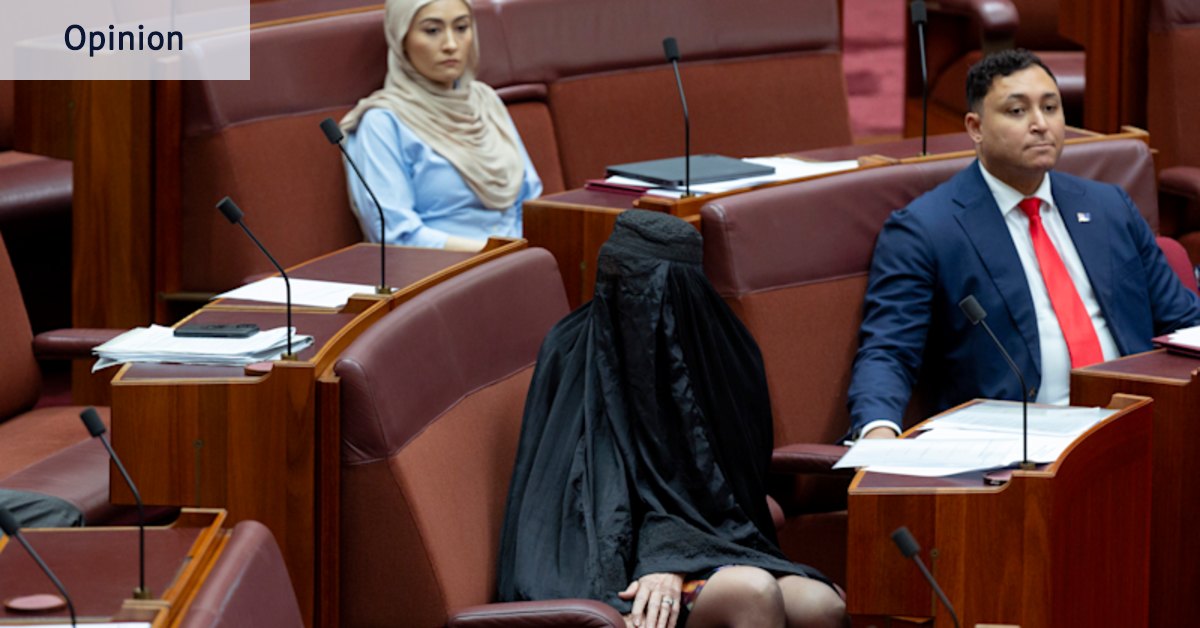
Despite its prominent visibility, the One Nation party has yet to secure a seat in the Australian House of Representatives under its own merit. Recent electoral outcomes, particularly noted by former Labor staffer Lidija Ivanovski, indicate that this party did not resonate significantly in key metropolitan areas where Labor made gains against the Liberals. Specifically, eight of the ten seats gained by Labor revealed lower-than-expected support for One Nation.
Key Findings from the Australian Election Study
A recent report by the Australian Election Study, a collaborative initiative by the Australian National University and Griffith University, sheds light on long-term voter behaviors and attitudes. This study, a benchmark for analyzing Australian electoral data since 1987, reveals several critical insights following the May elections:
- Trust in government remains notably low at 32%, consistent with levels from the previous election.
- Satisfaction with the democratic process holds steady at 70% since 2022.
- There is a recognized increase in non-partisanship, now accounting for 25% of the electorate, surpassing Liberal partisans who make up 21%.
The Global Context of Non-Partisanship
This rising trend of non-partisanship is not isolated but reflects a broader global phenomenon. In some countries without compulsory voting, those identifying as independents might abstain from voting altogether. However, Australia’s mandatory voting system has benefited minor parties and independents significantly, reflecting a substantial shift where approximately one-third of first preference votes were directed outside the major parties in the recent election.
Distrust and Preferences Among Voter Demographics
Despite a general lack of distrust towards politicians among independent voters, One Nation supporters display heightened skepticism, with 74% expressing a belief that politicians primarily serve their own interests. This dynamic presents potential challenges for One Nation as it aspires to establish a stronger presence in parliament.
Coalition’s Struggles With Changing Voter Dynamics
While party leader Pauline Hanson appears disinterested in mainstream acceptance, conservative politicians might need to recalibrate their strategies. The 2025 election study emphasizes a critical transition: the increasing progressivism among women and youth, indicating a shift from traditional voting patterns based on social class to those influenced by generational and gender dynamics.
Notably, only 28% of female voters expressed support for the Coalition in the last election—the lowest recorded. Historically, women leaned conservative, but this trend is reversing due to factors like secularization, higher education levels, and increased participation in the workforce.
Emergence of Younger Voters as Influential Players
The Coalition’s decline was sharply felt among younger voters, with only 23% of those under 40 opting for the Coalition party. Although it has traditionally been expected that younger voters would eventually shift towards conservative parties, recent behaviors from Australian Millennials challenge this trend. As the electorate evolves, by the 2028 election, Millennials and Gen Z, along with the initial cohort of Gen Alpha, are set to form a substantial segment of voters.
Looking Ahead: Projections for Australian Federal Politics
The trends observed in voter preferences and the growing disenchantment with major parties signal a potential future dominated by Labor in Australian federal politics. This trajectory presents challenges for the current opposition and suggests a need for reevaluation of strategies moving forward.
