


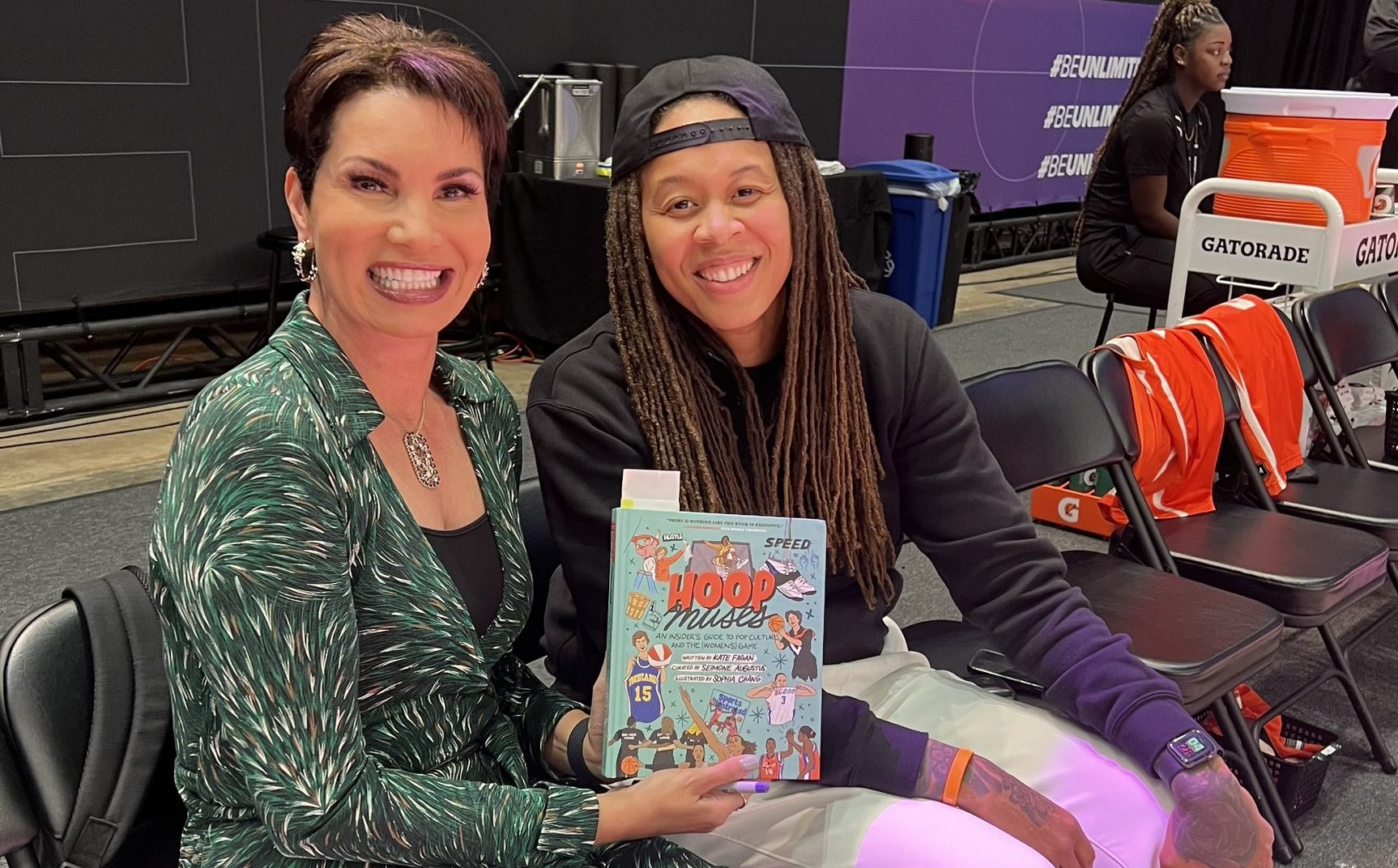
Cindy Brunson: A Pioneer in Sports Broadcasting
Introduction
Cindy Brunson exemplifies the advancement of Black women in sports broadcasting. Her story traces the path paved by predecessors and highlights the continuing challenge for diversity in sports media.
Early Inspirations
Brunson’s interest in broadcasting was ignited by witnessing Jayne Kennedy, the first Black woman to host a national sports program on CBS NFL Today in 1975. “The first person I saw that looked like me on TV talking about sports was Jayne Kennedy,” Brunson recalled, noting how Kennedy’s presence resonated with her dreams.
Later, Phyllis George, a White woman who succeeded Kennedy, reinforced Brunson’s aspiration, leading to conversations with her father about pursuing a career in broadcasting. This ultimately directed her to Washington State University, where she earned her degree from the Murrow College of Communications in 1996.
Career Beginnings
Shortly after graduation, Brunson’s first professional opportunity arrived at a TV station in Spokane, Washington, where she served as the weekend weather anchor and a reporter. Her career progressed as she moved to a sports role at a Portland station, which led to a significant call from ESPN in 1999.
Achievements at ESPN
During her 13-year tenure at ESPN, Brunson anchored the esteemed SportsCenter, becoming one of the few Black professionals to assume such a role. “I was in the right place at the right time. I had a blast,” she said, reflecting on working alongside notable personalities like Stuart Scott.
Expanding Horizons
Brunson’s expansive career includes play-by-play roles for various platforms, including Texas Tech women’s basketball and Pac-12 Networks. A landmark achievement was her position as the primary voice for Athletes Unlimited women’s basketball. “Not very many people get to say they’ve had two dream jobs, and I have,” she remarked, expressing her pride in both ESPN and her later role as the broadcaster for the WNBA’s Phoenix Mercury from 2022 to 2024.
Impact and Legacy
Brunson recognizes the importance of her role as a model for young Black women aspiring to enter sports media. “You want to show them what’s possible,” she stated, emphasizing the significance of professionalism and respect in her field.
She is aware that her work has just as significant an impact on future generations as the trailblazers who inspired her. “I had no idea the impact I was having,” she reflected on the role she plays as a visible example for others.
Conclusion
Cindy Brunson’s remarkable journey in sports broadcasting embodies both personal achievement and a broader message of representation and inspiration. Through her hard work and dedication, she continues to pave the way for future generations in an industry still striving for equity.
