


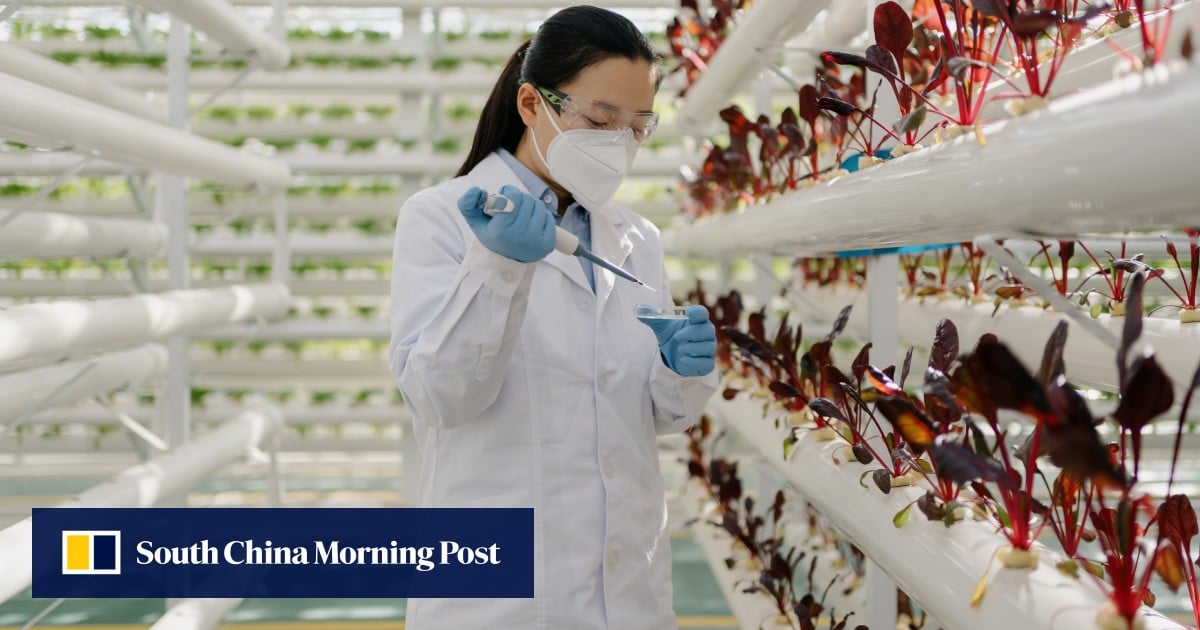
Shanghai’s Keyan Return Plan: Supporting New Mothers in Research
In a strategic move to promote both family growth and scientific advancement, Shanghai has unveiled a novel initiative aimed at supporting female researchers who are balancing motherhood with their professional careers. The Keyan Return Plan was launched last week by the Shanghai Women’s Association for Science and Technology, aiming to ease the transition back into work for mothers in the scientific community.
Details of the Keyan Return Plan
The initiative specifically targets the challenges faced by women in the STEM fields as they navigate their dual roles as mothers and researchers. The Shanghai branch of the Chinese Academy of Sciences (CAS) will initially implement the program, providing substantial resources for eligible participants.
Subsidies for New Mothers
- Each of the 20 selected new mothers will receive a one-time research grant worth 50,000 yuan (approximately US$7,010).
- Eligibility is restricted to women who are under 40 years of age, have recently given birth (within the last two years), possess a doctoral degree, and hold a professional title rated as deputy senior or higher.
Research Focus
To qualify for this initiative, candidates must be actively engaged in impactful research that addresses critical areas, including:
- Frontier technologies
- Economic priorities
- National demands
- Public health concerns
Successful applicants are expected to demonstrate notable achievements in their respective fields, thereby contributing to the overarching goals of the program.
Community Responses
While the program is still in its nascent stages, it has garnered positive feedback from some female researchers, who view it as a progressive leap towards greater inclusivity in the scientific arena. By offering financial support, the Keyan Return Plan aims not only to encourage more women to remain in research after childbirth but also to reaffirm the importance of diversity in scientific pursuits.
As Shanghai implements this program, it stands as a significant effort to create a more equitable working environment for women, thereby addressing dual priorities of family support and scientific innovation.
