


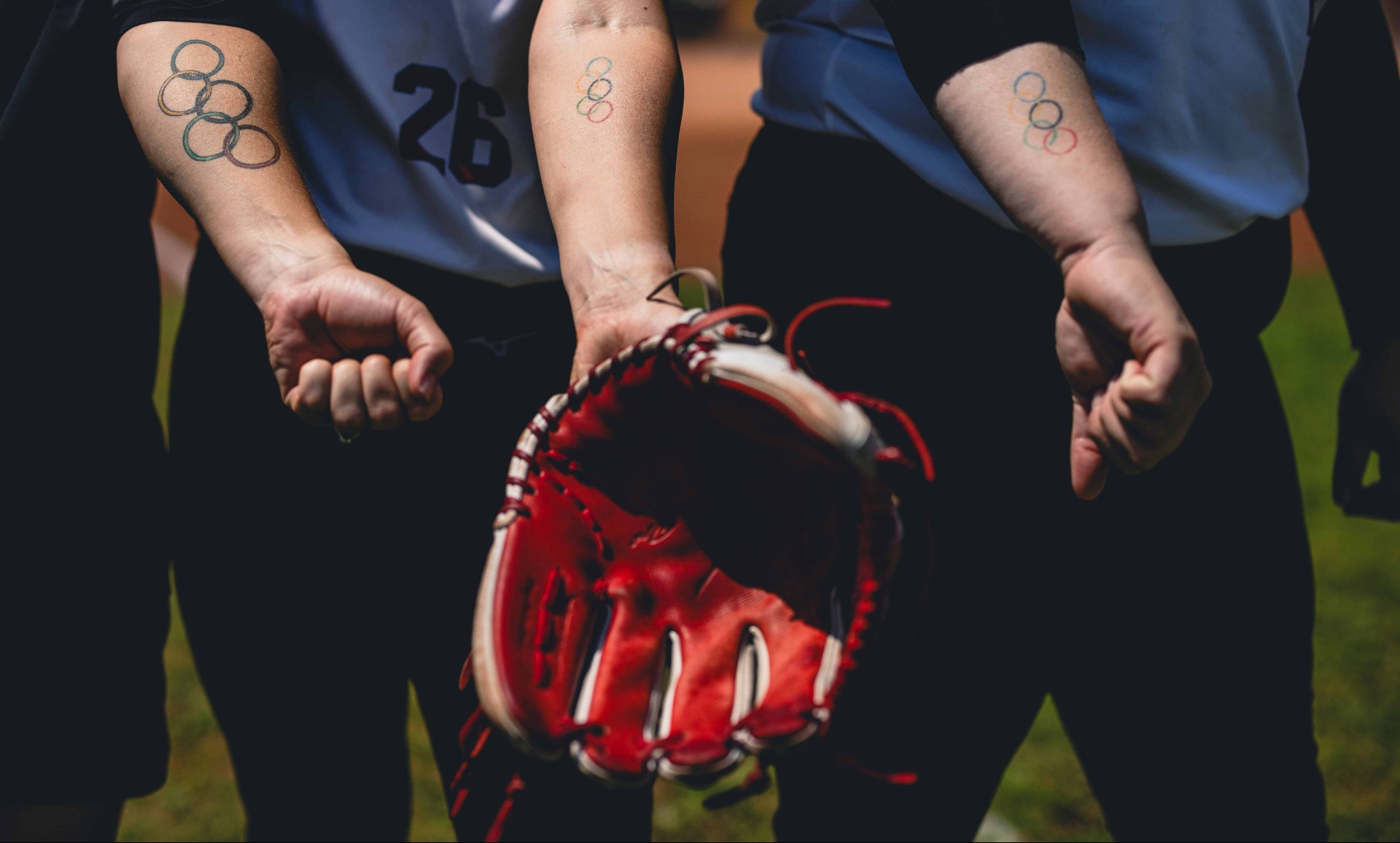
This week, Chengdu is hosting a prestigious international women’s softball event featuring eight of the world’s top ten teams. While the primary focus is on securing a gold medal at The World Games, many nations are also keen to position themselves for the upcoming LA28 Olympic Games.
Patty Gasso, head coach of the USA—currently the only team qualified for LA28—asserts the importance of this tournament for understanding her athletes’ readiness. “I’m sure going forward some athletes will change out and new ones might come in, but I would not want to do this without this team. There’s a good mixture of newcomers and returners,” she says.
Focus on Future Olympics
All participating teams recognize that their efforts at The World Games are integral to their long-term strategies as they prepare for the Olympics. For instance, China’s head coach Tang Changdong emphasizes their competition as a means of evaluating their progress. “This competition is part of our long-term preparations, specifically for the 2028 Olympic Games,” he notes, adding that understanding the gaps between their team and the top-ranked squads will shape their future strategy.
Adjusting to Changing Dynamics
Japan, the reigning Olympic champions, is equally focused on evolving their squad over the next three years. Head coach Reika Utsugi mentions that they are taking a methodical approach: “With three years to go, we’ll keep gaining experience and addressing our key issues step by step.” Their goal remains consistent: to build a formidable team for future competitions.
National Development Plans
Australia, with four Olympic medals to its name, is also set for a pivotal year. “We’re just at the very start of our preparation process for LA28,” says head coach Kerrie Porter. She aims to broaden the athlete pipeline to ensure a robust selection for upcoming tournaments.
Canada, who recently clinched their first Olympic medal with bronze in Tokyo 2020, has entered a new phase of preparation under the guidance of Kaleigh Rafter. “We’re in the quad now. We’ve got three years left to prepare for that,” she states, underscoring the importance of continuous development.
Aiming for Qualification
The Netherlands’ head coach, Saskia Kosterink, has similar aspirations as her team prepares for both the upcoming European Championships and the Olympic qualifiers. “This is an important step for us,” she emphasizes, highlighting that recent competitions will inform their training and selection processes.
Building Future Talent
Puerto Rico, after a solitary Olympic appearance in 1996, aims to revitalize its squad. Coach David Santos reflects that “we are really starting in these World Games with many new players,” acknowledging the balance required between nurturing younger talent and maintaining competitive performance.
Chinese Taipei, having participated in three prior Olympics without podium placement, is also focused on refining their team. Coach Han Hsin-Lin emphasizes the value of participating in global tournaments to analyze strategies and enhance performance, stating, “By competing here, we can become familiar with the strength of each team.”
The Challenge of Balancing Objectives
As teams navigate their immediate competitions alongside long-term goals, they face the delicate task of integrating immediate results with development aspirations. Rafter shared her thoughts on this flexibility: “You’re always trying to play that line of how do we get people experience with the future.” For Han Hsin-Lin, there is no conflict: “Winning games and developing players are not in conflict; they complement each other.”
Utsugi firmly believes in prioritizing development, stating, “We’ll go for wins now while building for the future.” Australia’s Porter concurs, recognizing the importance of a structured approach: “It’s a bit of a balancing act, but we’ve reset the programme… to hopefully compete in LA28.”
For Tang Changdong of China, competing against elite teams presents an essential opportunity for growth. “Since we don’t get many opportunities to compete against top international teams… our short-term focus is on improving ourselves,” he remarks, emphasizing the urgency of closing the gap with more established softball nations.
Ultimately, leaders from all teams are committed to cultivating a strong foundation for future Olympic aspirations while navigating the immediate challenges of competition.
