


In a significant policy shift, the NCAA took steps toward a new economic model for college sports on July 1. This transition aims to rectify years of a convoluted compensation system, allowing players to earn money from outside endorsements and marketing deals. However, the current structure has led to the emergence of donor “collectives” funding athletes who perform for their preferred teams, essentially creating a marketplace for talent and raising questions about the sustainability of this framework.
This new approach is linked to a recent legal settlement known as House v. NCAA, which a federal judge approved. A major aspect of this settlement involves distributing $2.8 billion in back damages to athletes who previously were denied opportunities to profit from their names, images, and likenesses (NIL). Additionally, schools have agreed to allocate up to $20.5 million this year directly to student-athletes—an unprecedented move intended to streamline contracts and increase financial flow to athletes.
Initially, this settlement held promise for women’s athletics. With over 200,000 women competing annually in NCAA-sanctioned sports, a centralized payout structure could have provided equity in financial distributions. Unfortunately, recent political shifts have hampered these prospects, leading to outcomes that leave many female athletes with minimal compensation instead of equitable support.
In reality, the vast majority of revenue in college sports is generated through football, followed by men’s basketball. Consequently, about 90% of the $2.8 billion in back payments from the House settlement is expected to benefit former male athletes in these powerhouse sports, raising concerns about long-standing inequalities and legal violations under Title IX, which mandates fair treatment of men’s and women’s teams.
Moving forward, decisions about how schools will distribute settlement funds largely rest with individual institutions. The Biden administration had recommended an equitable allocation under Title IX, encouraging schools to ensure that funds are distributed evenly between male and female athletes. However, this guidance was rescinded in February, allowing institutions to prioritize spending in a manner that often favors men’s sports.
If schools had adhered to the previous federal recommendations, women’s sports could have seen historic financial improvements. Power-conference schools, which collectively spend billions on their athletic programs annually, might have allocated up to $700 million toward female athletes, translating to potential payouts of around $30,000 per athlete. Unfortunately, with the current trajectory, women’s teams are poised to receive only about 10% of such funds.
The anticipated expenditures reflect an ongoing trend in college athletics, whereby a predominant share of financial resources is channeled into football and men’s programs. For example, the University of Texas has indicated it will distribute a substantial portion of its budget on football, with little allocated to women’s teams. These disparities underscore a significant missed opportunity for universities to invest meaningfully in women’s athletics, which could have mitigated systemic inequalities the NCAA has perpetuated.
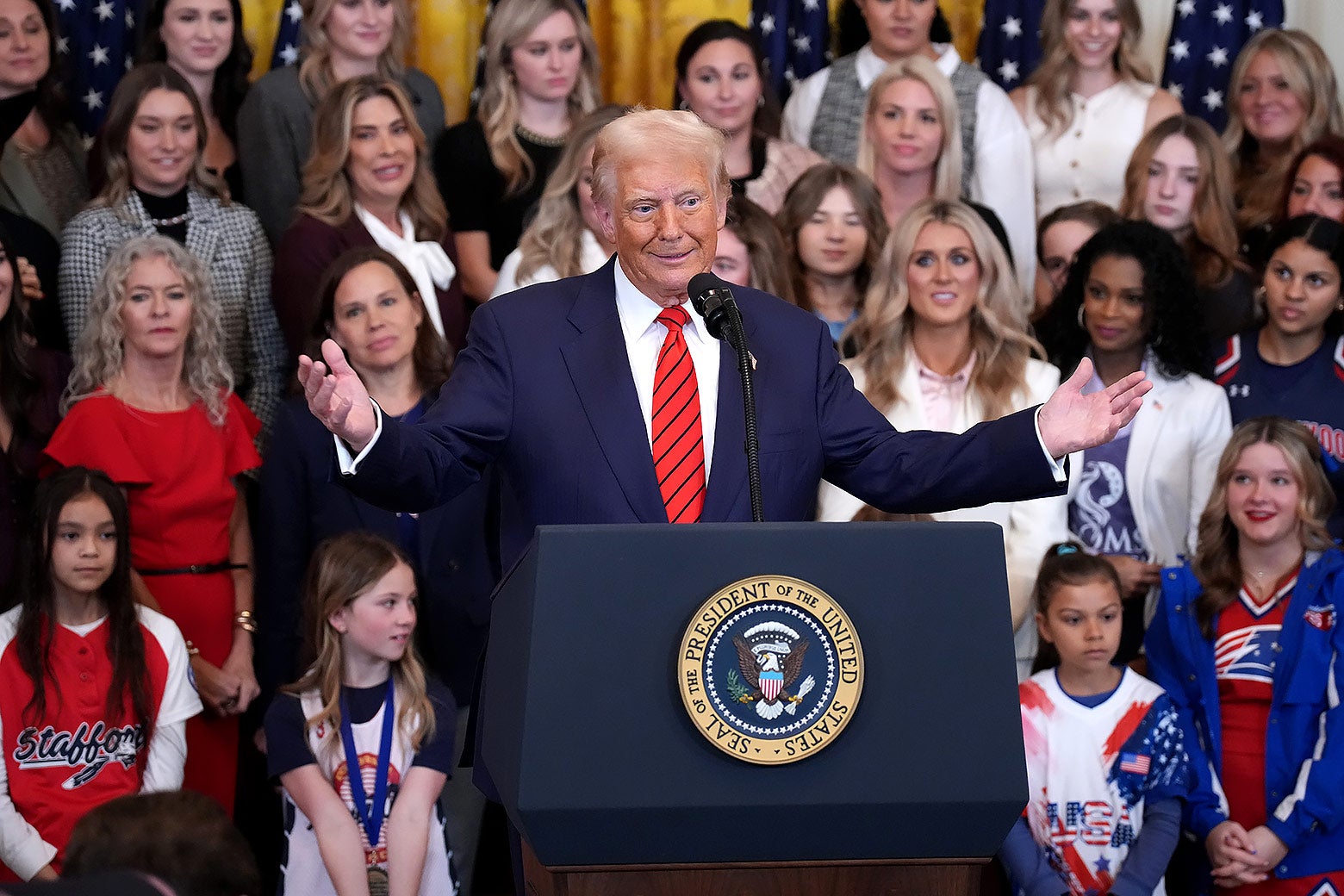
The administration’s previous stance on investing in women’s sports contrasts sharply with the current situation, where interests in advocacy for women’s sports appear more politically motivated rather than genuinely focused on nurturing female athletes. Despite the visible attention given to the debate over trans athletes in women’s sports, the broader context of underfunded and neglected women’s sports is often overlooked.
This situation is indicative of how women’s sports have been maneuvered in political discussions, often highlighted when convenient for political agendas but largely ignored when it comes to equitable resource allocation. The narrative frequently centers around the inclusion of trans women while sidestepping the financial disparities affecting existing female athletes, raising critical questions about true advocacy for women’s rights in sports.
