


The Call for Eligibility Standards in Women’s Soccer
Angel City FC midfielder Elizabeth Eddy has taken a bold stance, urging the National Women’s Soccer League (NWSL) to establish definitive eligibility rules to maintain fairness in women’s sports. In a recent post on X, Eddy highlighted the critical importance of clarity in defining who can participate in women’s soccer.
Protecting Women’s Sports: Eddy’s Perspective
Eddy, a seasoned player with a decade-long career in the NWSL and seven championship titles to her name, expressed her growing concern over the league’s trajectory. “Without clarity about who the league is for, it will lose its identity and its momentum,” she stated in her essay. She poses a pressing question: “How do we preserve women’s rights and competitive fairness while fostering meaningful inclusion?”
The Risks of Uncertainty in Women’s Soccer
In her message, Eddy argued that the NWSL’s remarkable growth—from early livestreamed games to now commanding a lucrative $240 million television deal—could be jeopardized by the lack of clear eligibility standards. Citing controversies in other women’s sports, she emphasized the need for transparent policies, stating, “This uncertainty serves no one.”
Current NWSL Rules Lack Clarity on Transgender Policy
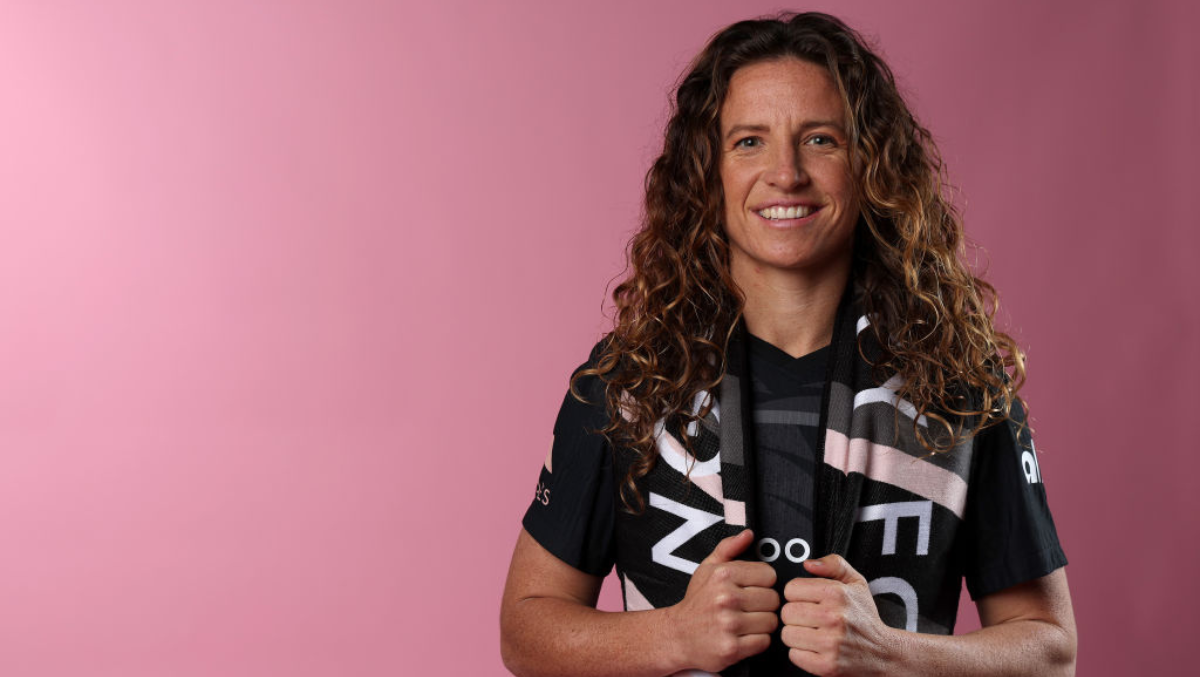
(Photo by Katelyn Mulcahy/NWSL via Getty Images)
Comparison with Other Sports
Other sports have already taken definitive action; organizations like World Athletics and England’s Football Association have instituted criteria that include sex-based regulations or genetic testing for competing in women’s categories. Eddy proposed that the NWSL could adopt similar measures, either by requiring players to be born with ovaries or by implementing an SRY gene test.
The Science of Fairness in Competition
Addressing critics of genetic testing, Eddy acknowledged concerns over potential psychological impacts but maintained that strict confidentiality and medical protocols could mitigate these issues. She emphasized that protecting fairness is paramount, particularly in light of scientific studies showcasing inherent differences in physical attributes between male and female athletes. Eddy stated, “Further research has found male muscular advantage is only ‘minimally reduced’ — by about 5% over 12 months — by testosterone suppression.”
Proposing Solutions for the League
To enhance competitive fairness, Eddy suggested exploring the possibility of an “open division” within the NWSL or collaborating with smaller professional events. “It would be nice to have no need for clear eligibility criteria,” she remarked, reflecting on the complexities introduced by high-stakes competition.
Contrasting Views Among NWSL Players
Eddy’s position diverges significantly from some of her peers, including prominent players like Megan Rapinoe, who advocate for transgender inclusion in women’s soccer. Despite the current absence of a comprehensive transgender eligibility policy in the NWSL—following the discontinuation of the 2021 policy based on testosterone suppression—Eddy’s call for clarity emphasizes a key debate within women’s sports today.
Conclusion: A Call for Action
As Eddy articulates, the commitment to establishing clear eligibility standards is vital for maintaining the integrity of women’s sports. “Just as we built a new space for women to compete in the largest arenas, we must honor that commitment and make the National Women’s Soccer League for women,” she concluded. The future of the league—and the preservation of women’s competitive spaces—may depend on the actions taken in the near future.
