


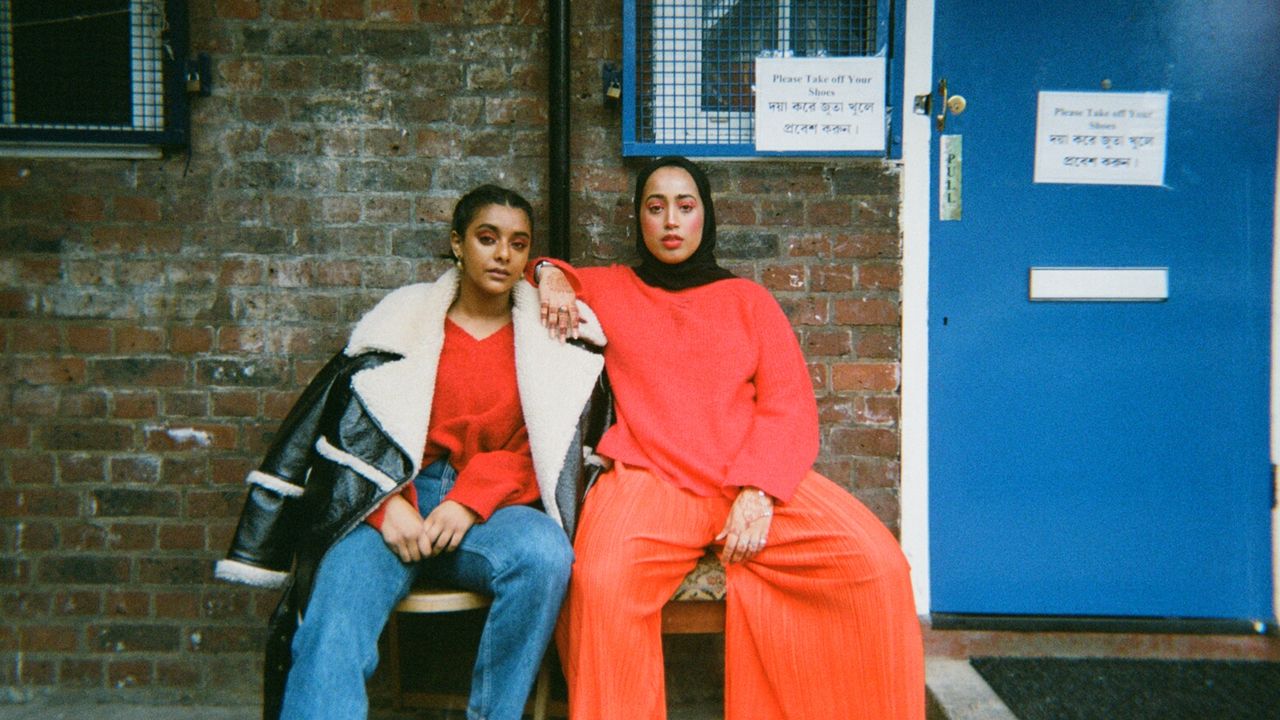
The complexities of Muslim women’s identities and contributions to society are often misunderstood and underrepresented in Western discourse. For too long, these women have faced a narrative that frames them as weak, submissive, and uneducated, erroneously categorizing them as needing rescue. Voices that should be integral to discussions about their rights, experiences, and realities are often sidelined or silenced in favor of dominant narratives rooted in racism and Islamophobia.
This marginalization is particularly evident within feminist dialogues, where the contributions of Muslim women are frequently overlooked. Instead, discussions often reflect a limited perspective shaped by “white feminism,” which tends to homogenize the experiences of all women, failing to acknowledge the diversity and agency within Muslim communities. While white feminism may cast Muslim women as traditional stay-at-home mothers, this depiction ignores the myriad roles that these women occupy—leaders, activists, thinkers, and changemakers.
As a result, Muslim women are often disillusioned when they encounter surprise or skepticism from others about their engagement in feminist discussions. This response often comes from individuals who have internalized narrow stereotypes about Muslim women. When a Muslim woman expresses her views in social or political spheres, the dissonance highlights the gaps in understanding perpetuated by incomplete historical narratives.
The feminist movements taught in many Western cultures often lack representation from Black, brown, disabled, and Muslim women. While figures like Rosa Parks may be included in discussions, the substantial contributions of diverse activists remain dangerously overlooked. Such omissions create a skewed depiction of feminism and diminish the rich tapestry of social justice movements.
Understanding this context is critical. The misconceptions surrounding Islam, fueled by narratives that portray it as inherently misogynistic, play a significant role in shaping perceptions of Muslim women. However, history reveals that many remarkable women have significantly contributed to Islamic scholarship and society, yet their legacies remain largely unacknowledged.
Ultimately, the challenge lies in dismantling these limiting stereotypes and creating spaces where all women’s voices, especially those of Muslim women, are heard and valued. By doing so, society can work towards a more inclusive and accurate portrayal of feminism that honors the diverse contributions of all women, in every community.
