


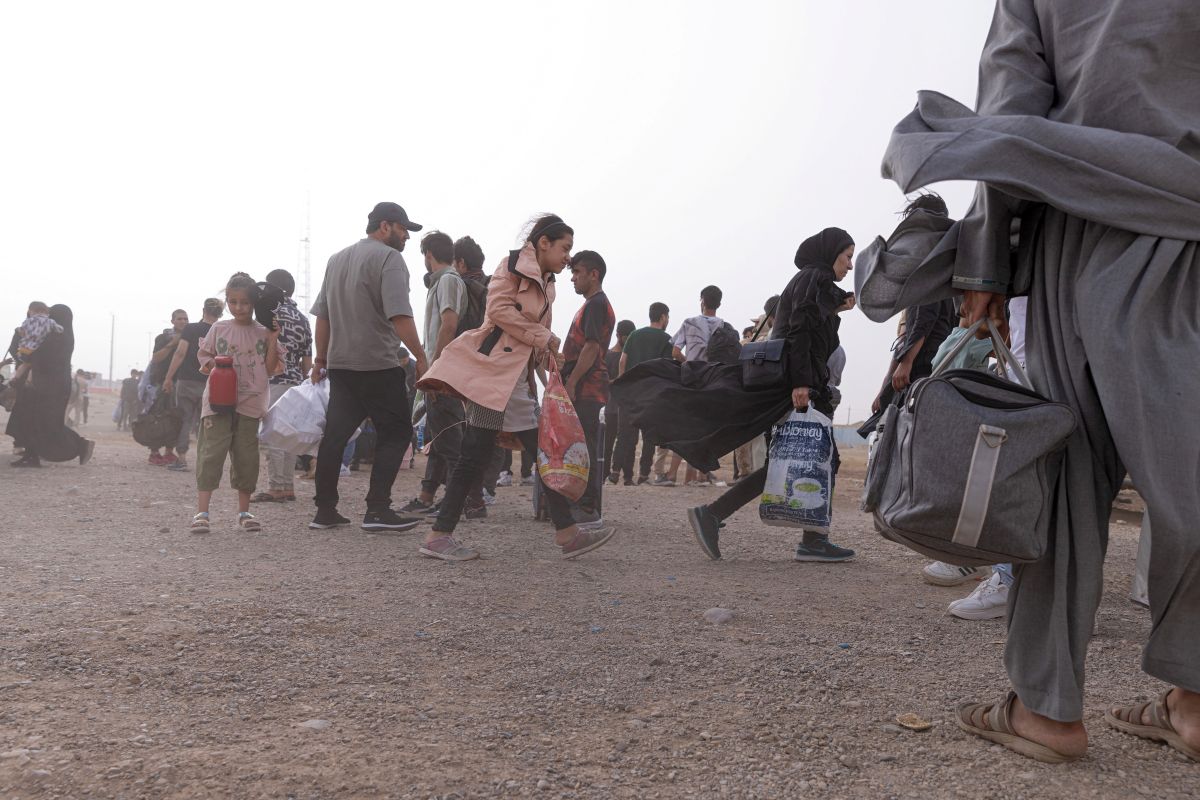
Since September 2023, over 2.43 million undocumented Afghans have returned to their home country, with many facing forced repatriation from Iran and Pakistan. Among the returnees, women and girls constitute one-third of those arriving from Iran and nearly half from Pakistan as of 2025.
These individuals often find themselves in a nation where they have little to no prior experience. They arrive without shelter, stable incomes, or access to essential services such as education and healthcare. Afghanistan is already grappling with severe economic challenges and climate-related issues. Returnees, particularly women and girls, face heightened vulnerabilities, including increased poverty, risks of early marriage, violence, and significant restrictions on their rights and freedoms.
“Vulnerable women and girls arriving with nothing into communities that are already stretched to breaking point puts them at even greater risk,” stated Susan Ferguson, UN Women Afghanistan’s Special Representative. “They are determined to rebuild with dignity, but we need more funding to provide the dedicated support they need and to ensure women humanitarian workers are there to reach them.”
Critical Needs Identified
A recent report from the Afghanistan Gender in Humanitarian Action Working Group, co-chaired by UN Women and CARE International, underscores the urgent and ongoing requirements of returnee women and girls:
- Immediate needs include safe and affordable shelter, livelihood opportunities, and access to girls’ education.
- A mere 10% of women-led households reside in permanent shelters, while around 40% express fears of eviction.
- Women-headed households and single women encounter significant barriers to accessing humanitarian assistance due to restrictions on movement, safety concerns, and inadequate documentation.
- Girls are denied access to secondary education, exacerbating long-term socioeconomic challenges.
- The role of women humanitarian workers at border crossings is crucial, yet their operations are increasingly hampered by funding cuts and movement limitations.
Impact of Funding Cuts
The decline in international funding has critically diminished the capacity of humanitarian organizations to respond effectively. Women humanitarian workers stationed at border points report being overwhelmed by the influx of returnees and struggling to fulfill even the basic needs of those arriving.
“Witnessing the volume of arrivals and the hardship faced by women, children and families—many distressed, disoriented, and without hope—has left a deep impact on all of us responding to this crisis,” said Graham Davison, Director of CARE Afghanistan. “This is what our teams on the ground are seeing every day. We urgently need support to provide basic services, safe spaces, and protection for returnee women and girls.”
The Broader Crisis
Afghanistan continues to endure one of the most severe humanitarian crises globally, driven by decades of conflict, poverty, and natural disasters. The latest surge in returnees exacerbates the strain on already fragile communities, posing a serious threat to stability.
Call to Action
The international community is urged to take immediate action to safeguard the rights of Afghan women and girls and to bolster support for the humanitarian workers dedicating themselves to aiding these vulnerable populations.
