


The Evolution of Women’s Cricket in India
Historical Challenges
The journey of women’s cricket in India has been marked by significant obstacles, particularly in the early years. Former players, including Shantha Rangaswamy and Nutan Gavaskar, reflected on the difficulties faced in securing funding for international matches. Nutan Gavaskar, a notable advocate for women’s cricket and sister of legendary cricketer Sunil Gavaskar, recalled how female athletes were often viewed through a lens of skepticism, with comments suggesting that “women’s cricket is not a sport.”
The Role of Sponsorship
Financial backing was scarce, with few sponsors willing to support women’s teams. Nutan highlighted that Air India was instrumental in providing travel arrangements for players representing the country, showcasing the limited resources available at the time.
Living Conditions and Logistics
The challenges extended beyond funding to include basic living conditions for players. According to Shantha Rangaswamy, who was the first captain of the Indian women’s Test team, facilities were extremely rudimentary. She mentioned that teams had to manage with only three bats, share four washrooms among 20 people, and endure travel in unreserved train coaches while carrying their own kits. Such experiences reflect the tenacity and spirit of the players dedicated to advancing women’s cricket.
The Road to Recognition
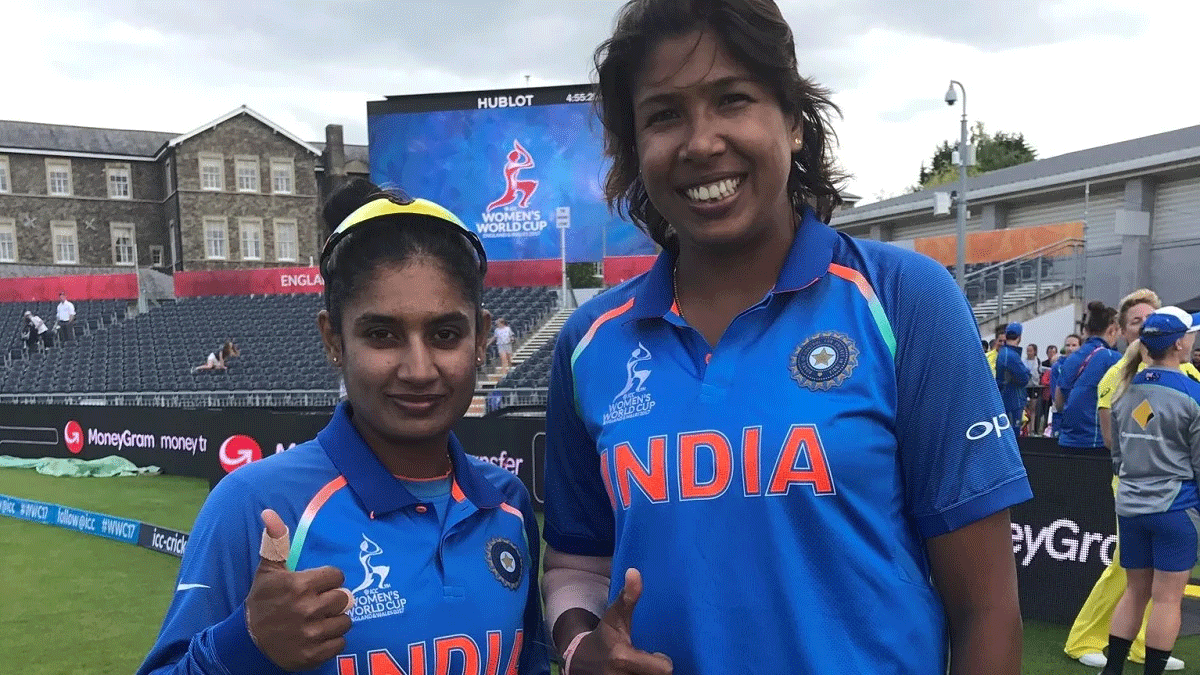
Both Rangaswamy and Gavaskar emphasized the importance of perseverance in shaping the future of Indian women’s cricket. The foundation laid by earlier generations of players has paved the way for current athletes, allowing them to achieve remarkable successes, such as India’s performance in the 2025 Women’s World Cup. “We are happy the current players are getting the facilities,” remarked Rangaswamy, highlighting the significant improvements made over decades.
