


ALMATY – Women embody numerous roles, showcasing resilience, inspiration, and nurturing spirit. In a world where some girls face limited opportunities, stories of extraordinary women serve as powerful reminders that perseverance can lead to success against all odds.
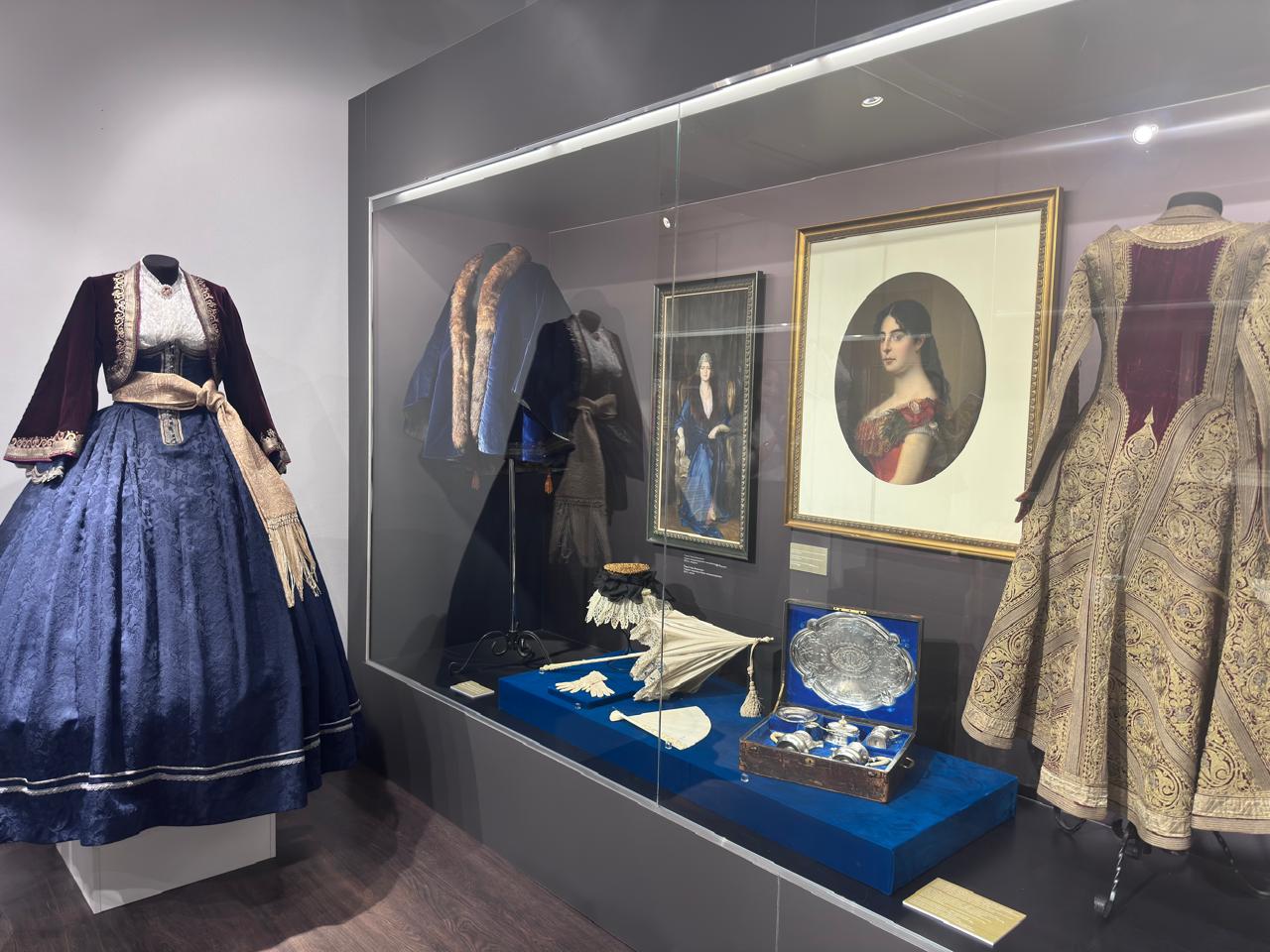
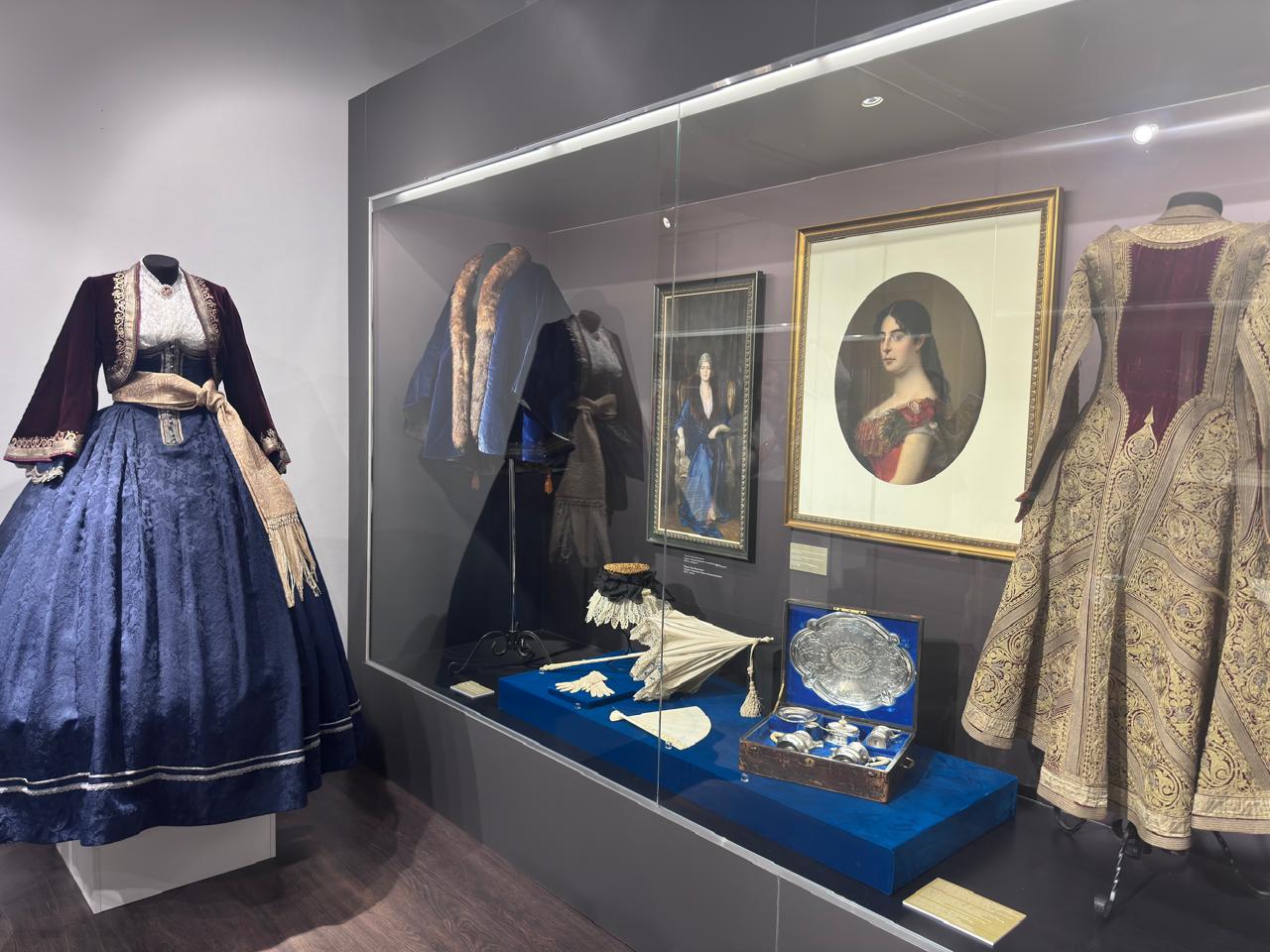
The exhibition highlights biographies and contributions of significant figures in Serbian history. Photo credit: The Astana Times
In this context, the Almaty Museum recently inaugurated the exhibition titled “Serbian Women Through the Ages” on October 3. This exhibition invites attendees to explore centuries of female perseverance and accomplishment, presented in collaboration with the Belgrade City Museum. It aims to enhance cultural relationships between Kazakhstan and Serbia while honoring the legacy of women.
With support from the cultural ministries of both nations, the event featured a host of distinguished attendees, including Serbian First Lady Tamara Vučić.
The exhibition spans an impressive 7,500 years, illustrating the pivotal roles women have played in Serbian society from ancient times to the present day. Visitors can view over 70 unique artifacts, including archaeological items, ethnographic objects, applied arts, and portraits of esteemed Serbian women from the 19th century.
Additionally, the exhibition showcases biographies and accomplishments of female artists, scholars, heroines, and athletes, each significantly impacting Serbian history.
Cultural Cooperation and Friendship
Kazakh Minister of Culture and Information Aida Balayeva, during her opening remarks, noted that this exhibition marks a significant milestone in cultural collaboration between Kazakhstan and Serbia. She stated, “This event stands as a vivid example of cultural cooperation and a testament to the strengthening friendship between our countries and people.”
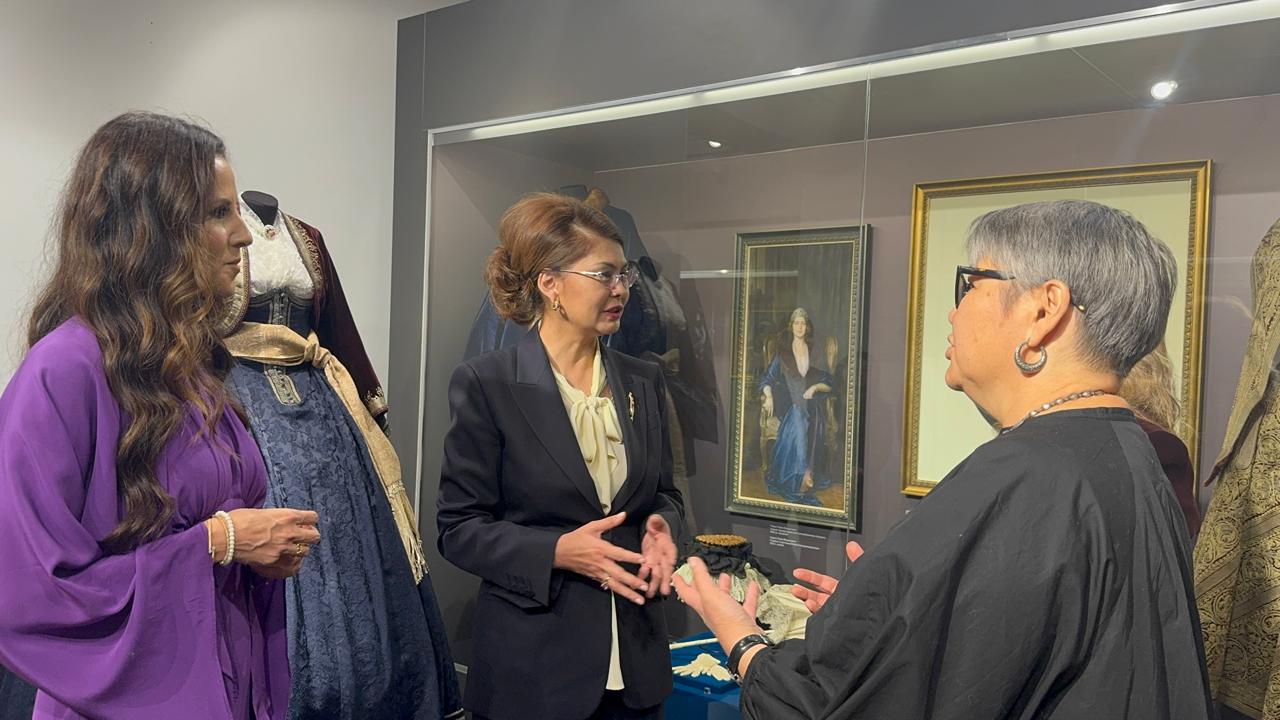
Tamara Vučić and Aida Balayeva engage in discussion about the exhibition. Photo credit: The Astana Times
Minister Balayeva also reflected on the diplomatic relations established in 1996, emphasizing that Kazakhstan and Serbia have cultivated strong ties extending beyond formal agreements. She further discussed the universal significance of women, stating, “A woman rocks the cradle with one hand and rolls the world with the other. In our understanding, a woman is not only the foundation of the family but also a reflection of the spiritual and cultural image of the nation.”
Shared Cultures and Traditions
Jelena Medaković, Director of the Belgrade City Museum, expressed pride in the cultural unity represented at the exhibition. She noted that throughout history, women have profoundly influenced families and entire communities.
“The exhibition presents the image of women as a symbol of inspiration, strength, resilience, creativity, guardianship, motherhood, dignity, and reflects on how it rose throughout history,” Medaković remarked.
Vučić complemented Kazakhstan’s welcoming nature, highlighting shared experiences between both nations as cultural crossroads. She stated, “Geography has shaped our destinies, bringing together the journeys, migrations, yet through it we have always stood resolutely upon our native soil.”
She also pointed out the historical significance of Serbian women, from the medieval leadership of Princess Milica to the emblematic Kosovo Maiden of 1389, stating, “In a single expression, they have embodied love, faith, and hope. This exhibition seeks to offer a window into that profound and enduring legacy.”
Future Endeavors
Balayeva announced plans for Kazakhstan to present an exhibition in Serbia showcasing its own female legacy, reinforcing the notion that respect for women is fundamental to a nation’s spirit.
“That is how nations should build friendship – by learning each other’s culture and traditions through such events. We have already planned a new exhibition in Serbia, and I believe your people should also know Kazakh women, historical figures who contributed immensely to the development of our nation,” she stated.
Running until November 15, this exhibition continues the cultural partnership established between Almaty and Belgrade museums last year. Ultimately, it delivers a timeless message: the narrative of women transcends borders, uniting diverse histories and cultures.
