


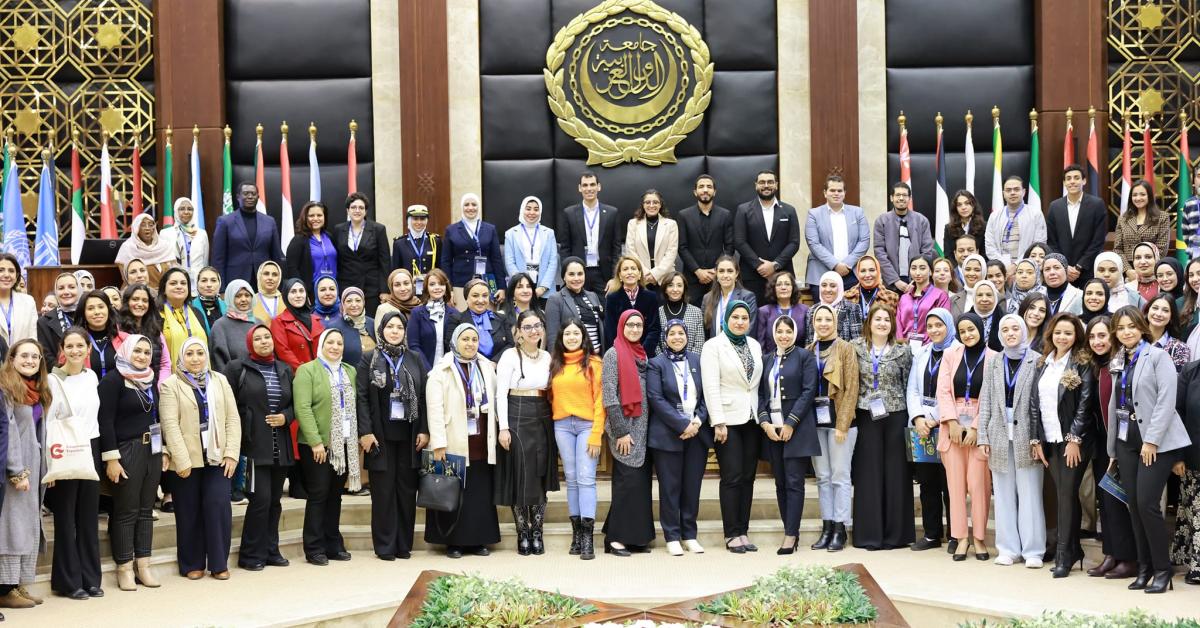
Empowering Arab Women Scientists: The Role of the Arab Women in Science Platform
Despite progress in education, gender disparities remain significant in the fields of science and engineering. As reported by UNESCO, women make up only 28% of engineering graduates and 40% of computer science graduates globally. Furthermore, women represented just 33% of researchers in 2018 and account for a mere 22% of professionals in artificial intelligence—an area poised for future growth. In the Arab region, only 24% of senior management roles in science and engineering are filled by women. Although 47.3% of STEM graduates in Egypt are women, they only occupy 38% of the STEM workforce, according to CAPMAS data from 2018.
The Arab Women in Science Platform: A Catalyst for Change
In response to these challenges, the Arab Women in Science Platform was launched in 2024 as part of the initiatives inspired by the call from Egyptian and Sudanese women scientists during the “Paving the Way for Women Leadership in Science” dialogue held in February 2023. This platform aims to empower women across diverse scientific disciplines—both natural and social sciences—and to influence generations of Arab women.
Objectives and Offerings
Designed as a comprehensive support system, the platform establishes both online and offline avenues for women in science to:
- Connect with peers and mentors.
- Share valuable experiences and insights.
- Access various career-enhancing initiatives, including training and mentorship programs.
Advocacy and Awareness
Beyond professional development, the platform places an emphasis on raising awareness about gender stereotypes in science. It actively promotes gender-transformative policies and the principles of open science, ensuring Arab women scientists are involved in shaping these initiatives.
A Future Built on Inclusion
By fostering a collaborative and empowering environment, the Arab Women in Science Platform seeks to transform the landscape of scientific research and leadership in the region, ultimately contributing to a more equitable future in the scientific community.
