


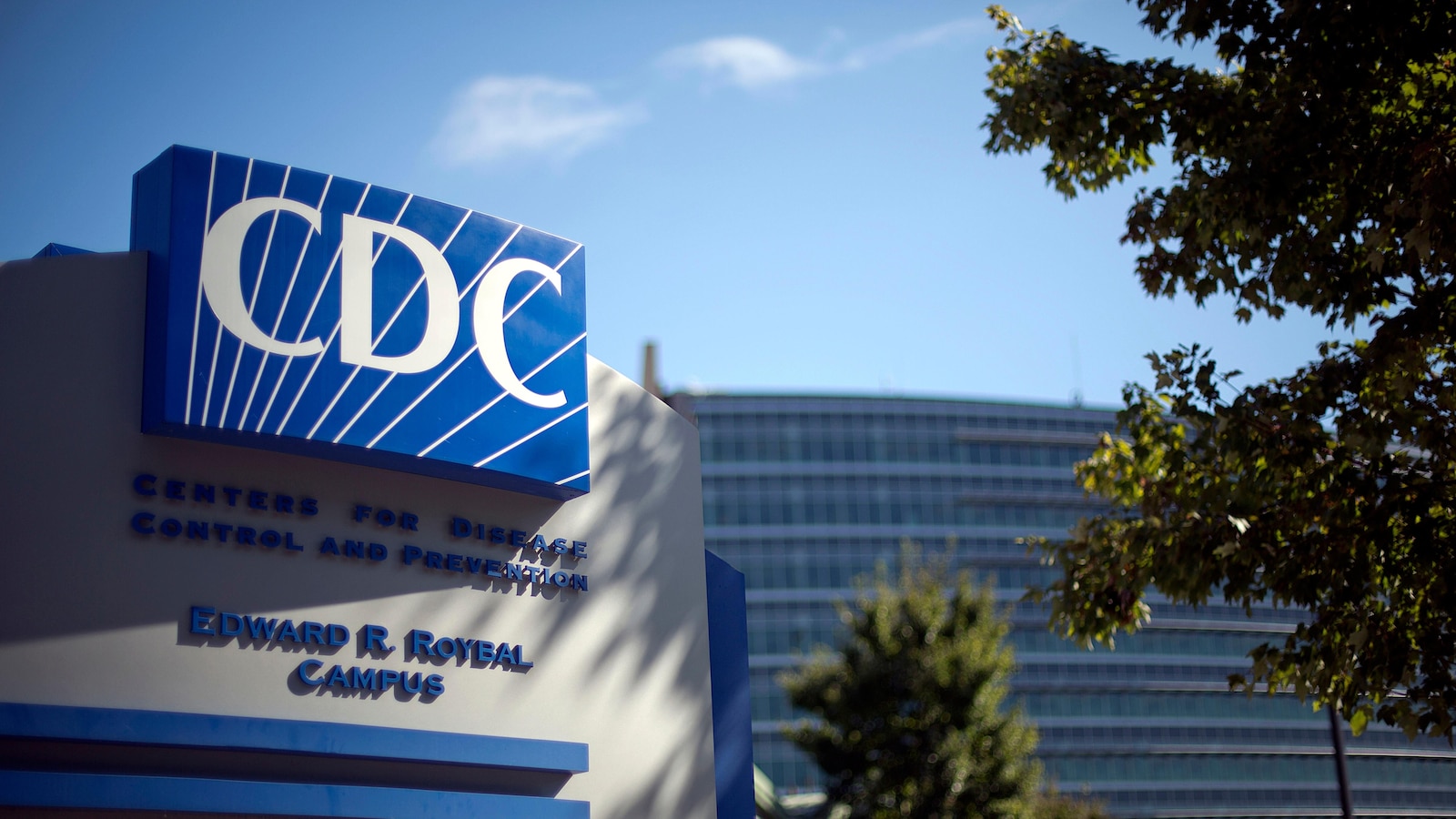
NEW YORK — The Centers for Disease Control and Prevention (CDC) recently revised its guidelines regarding COVID-19 vaccinations for healthy children and pregnant women. The updated recommendations suggest that these groups “may” receive the vaccine instead of strongly recommending it, aligning with a new stance introduced by U.S. Health Secretary Robert F. Kennedy Jr.
The decision to modify the CDC’s language reflects a nuanced change. Jason Schwartz, a health policy researcher at Yale University, noted, “The announcement from earlier this week sounded like CDC was going to fully withdraw any statement that could be construed as a recommendation for these vaccines in these populations. It’s not as bad as it could have been.”
Kennedy’s announcement was made via a brief video on the social media platform X, where he did not include any CDC representatives. Subsequently, the CDC’s website was updated to indicate that children aged 6 months to 17 years, without significant immune system issues, may receive the vaccine. Parents are encouraged to make vaccination decisions in consultation with their healthcare providers.
Alongside the modifications for children, the CDC has also subtly revised its adult immunization schedule. This change excludes pregnant women from routine vaccine recommendations applicable to other adults, moving away from earlier guidance suggesting routine vaccinations for this demographic.
A spokesperson for the Department of Health and Human Services explained, “The old COVID-19 vaccine recommendations for healthy children under 18 and for pregnant women have been removed from the CDC vaccine schedule. The CDC and HHS encourage individuals to talk with their healthcare provider about any personal medical decision.” This shift towards shared decision-making ensures that health insurers are required to cover vaccinations, though experts suggest this language might lead to lower vaccination uptake, as it may not convey the same urgency as firm recommendations.
According to CDC data, childhood vaccination rates are notably low, with only 13% of children and 23% of adults having received the COVID-19 vaccine for the 2024-25 period.
The discussion surrounding these revised recommendations has been ongoing, particularly as the COVID-19 pandemic has diminished. Health experts have suggested focusing vaccination efforts on those 65 and older, who are at higher risk of severe complications from the virus.
A CDC advisory panel is expected to convene in June to propose strategies for fall vaccinations. Options being considered include targeting high-risk groups while allowing lower-risk individuals the option to receive the vaccine. A work group within the advisory committee has indicated support for this approach.
Interestingly, Kennedy, an outspoken advocate against vaccines prior to his appointment, opted to announce these changes without waiting for the advisory panel’s assessment, which has caused confusion within the public health community. Schwartz expressed concern about the implications of this confusion, stating, “It would be understandable if the public is completely baffled in terms of what the federal government thinks and what the science suggests … about the evidence for the safety and value of these vaccines.”
___
The Associated Press Health and Science Department receives support from the Howard Hughes Medical Institute’s Science and Educational Media Group and the Robert Wood Johnson Foundation. The AP is solely responsible for all content.
