


In Gikomero, widow Marie Louise faced the exhausting task of walking for hours to fetch water, which drained her energy and limited her ability to manage her vegetable business and care for her grandchildren. However, the installation of a rainwater harvesting tank by UN Women dramatically transformed her life.
“I can grow more, sell more, and take better care of my grandchildren,” she explains.
Rwanda’s Bold Legal Reforms
In July 2024, Rwanda took a significant step forward by revising its Law Governing Persons and Family. This updated legislation now recognizes unpaid care work as a valuable contribution to marital property, attributing a value of 10% to 39% of jointly acquired assets to this essential task. This landmark change was facilitated by findings from a UN Women survey, which revealed that women dedicate an average of 3.7 hours a day to unpaid care—more than three times the amount of time men contribute.
By embedding care work into the legal framework, Rwanda signals that the invisible labor vital for the sustainability of families and communities is, in fact, legitimate work that deserves acknowledgment.
Community-Level Innovations
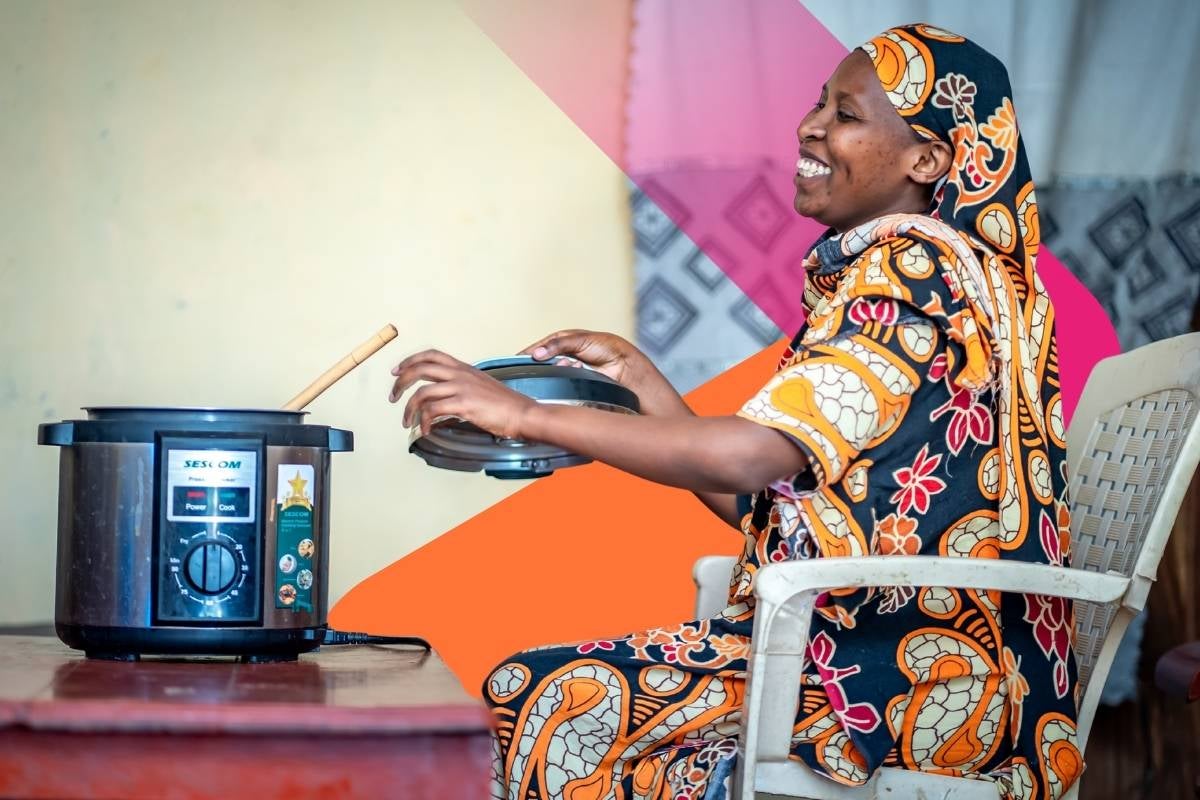
Across various communities, initiatives aimed at saving time are proliferating. More than 1,100 energy-efficient cookstoves and 92 rainwater tanks have been implemented, simplifying daily tasks for many households. A 2025 study indicated that the time saved has been utilized by women to engage in farming, manage small businesses, and pursue training opportunities. Moreover, families have also benefited from improvements in health due to cleaner cooking methods.
Rethinking Care Roles
Rwanda is redefining care responsibilities through the establishment of Early Childhood Development centers in regions like Nyaruguru, Ngoma, and Kirehe. These centers provide safe environments for learning and development, while trained caregivers concentrate on nutrition and child-centered educational practices. As a result, mothers are gaining invaluable time for work and self-care, and local women are stepping into professional roles as caregivers.
Shifting Mindsets
Efforts to change societal attitudes are also underway. A UN Women awareness campaign broadcasted on radio and television has been encouraging men and boys to take on more caregiving roles at home. According to the latest survey, 98% of households have reported increased male participation in caregiving tasks.
Sustainable Development through Public Finance
To ensure that these advancements are not merely temporary initiatives, Rwanda is integrating care considerations into its public finance strategy, utilizing UN Women’s Engendering Fiscal Space Tool. This approach aims to make water tanks, clean stoves, and childcare centers an integral part of daily life, rather than isolated pilot projects. These transformative efforts are supported by the Government of Germany’s Federal Ministry for Economic Cooperation and Development (BMZ).
