


Understanding Gambling Addiction in Relationships
The Deepening Crisis
Debra’s situation is a stark example of how gambling addiction can devastate families. Her husband, at 79 years old, has gradually siphoned off nearly $1 million from their shared savings due to a gambling addiction. Despite their initial financial security, the couple now finds themselves facing a fiscal cliff with only $15,000 remaining in their accounts.
Recognizing the Signs
Debra first observed troubling signs a year and a half prior when she noticed a late tax notice. Upon investigation, she discovered that her husband had missed a tax payment, a symptom of the hidden financial struggles stemming from his gambling behavior.
Despite earning a substantial income of $350,000 annually, her husband’s credit score has dropped to 600, highlighting the severity of their situation. As gambling becomes more accessible—especially with online betting—many individuals find themselves in similar predicaments, often undisclosed until it’s too late.
The Prevalence of Problem Gambling
Statistically, the National Council on Problem Gambling reports that approximately 2.5 million adults in the United States face severe gambling issues. An additional 5 to 8 million exhibit moderate troubles. Among those who gamble on sports, the incidence of problems is notably higher, at least doubling that of the general gambling population.
Impact on Mental and Emotional Well-being
Gambling addiction is not just a financial issue; it can lead to a host of mental health challenges. The World Health Organization indicates that it may increase the risks of mental illness, suicide, and family violence, along with leading to strained relationships and even crimes like theft.
The average debt attributed to gambling addiction can reach around $40,000, making recovery not only a mental struggle but also a significant financial challenge.
Interventions and Steps Forward
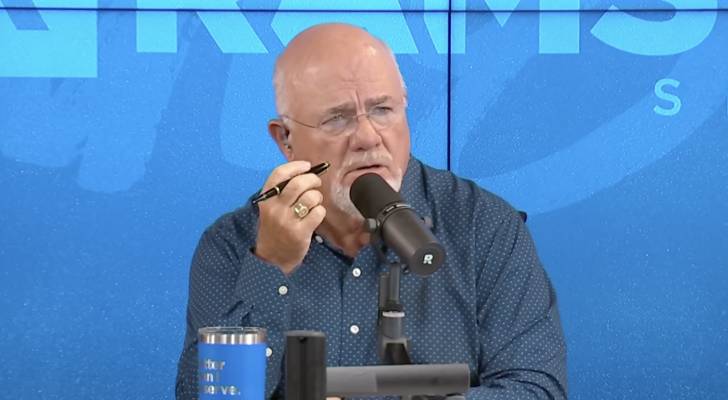
Debra is taking steps to separate her finances from her husband’s, but financial separation is only part of the solution. Financial advisor Dave Ramsey emphasizes the need for Debra to engage professional help for both herself and her husband. He suggests that she consider marriage counseling alongside addiction counseling for her husband.
He advises her to set clear consequences: if her husband does not seek help or stops gambling entirely, their relationship may be at risk.
Recognizing Warning Signs
Families affected by gambling should watch for several warning signs:
- Overdue bills or maxed-out credit cards
- A noticeable lack of funds despite a good income
- Items being sold for quick cash
Practical Steps for Families
For individuals facing a similar challenge as Debra, here are some recommended actions:
- Understand that you are not responsible for their addictive behavior.
- Communicate how their gambling negatively impacts your life.
- Monitor family finances and take charge of expenses.
- Establish a separate bank account.
- Secure personal valuables in a safe or deposit box.
- Connect with support groups for your own mental health stability.
Conclusion
Addressing gambling addiction requires courage and immediate action. Debra’s experience brings to light the serious consequences of gambling addiction, emphasizing the importance of acknowledgment, intervention, and professional support. With timely support and meaningful actions, there is hope for recovery and rebuilding trust within a relationship.
