


Concerns Over IVF Access in Buckinghamshire: A Growing Disparity
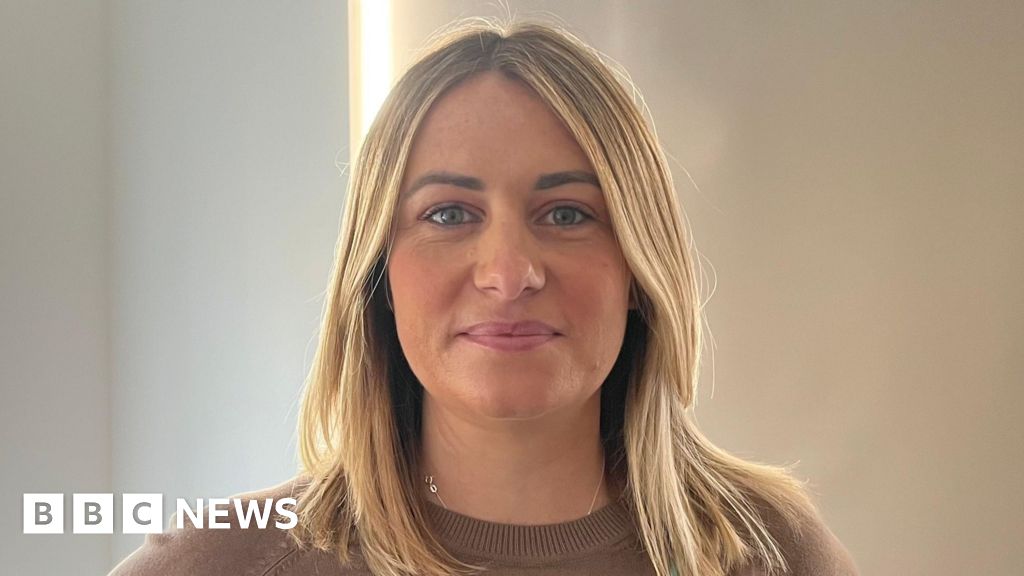
A 35-year-old woman from High Wycombe has voiced her frustrations regarding the accessibility of NHS-funded IVF treatments in her region. Kelly-Marie Madden-Giles described her experience of feeling “robbed” and “running out of time” as she navigated the healthcare system in Buckinghamshire, where she believes age-related limitations are unfairly restrictive.
Madden-Giles expressed that turning 35 made her feel like she was already “over the hill.” While the National Institute for Health and Care Excellence (NICE) recommends up to three IVF cycles for women under 40, local provisions in her area offer only one partial cycle for women aged 35 and younger.
Current Local Policies and Future Implications
The Buckinghamshire, Oxfordshire, and Berkshire West Integrated Care Board (BOB ICB) acknowledged that NICE is reviewing its guidelines on assisted reproduction. It indicated that the new Thames Valley ICB, set to launch in April 2026, will consider these pending changes in its clinical commissioning policy statement.
Variations in NHS Fertility Funding
Access to NHS-funded IVF varies significantly across England. Local Integrated Care Boards (ICBs) have the autonomy to set eligibility criteria, which can lead to disparities in treatment availability. This situation has left many, including Madden-Giles, contemplating whether to relocate for better access or to pay for private services.
In March 2024, when Madden-Giles was 33, she began her one round of NHS IVF, which ultimately did not succeed. As a result, she faced a dilemma: should she consider private funding, estimated between £25,000 and £30,000, or move to another area with better NHS options?
“It played on my mind massively – should I move to another area just to get more chances on the NHS?” she remarked, emphasizing the mental health impacts of such decisions.
A Broader Perspective on Fertility Care
According to Katie Rollings, the CEO of fertility charity Fertility Action, the access provided by the BOB ICB significantly lags behind national standards. She indicated that the issue is not merely clinical but also touches upon social justice. “People living in Buckinghamshire, Oxfordshire, and West Berkshire deserve the same chance for NHS-funded fertility care as those elsewhere in the country,” Rollings argued.
The LGBTQ member of Parliament for Henley and Thame, Freddie van Mierlo, recently introduced an Early Day Motion calling attention to the disparities created by such policies. He expressed concern that these inequalities result in a “postcode lottery” for access to fertility treatments.
Conclusion
The discourse surrounding IVF access highlights significant inequalities faced by potential parents in Buckinghamshire. As healthcare policies evolve, it remains to be seen how they will address the pressing concerns of individuals like Madden-Giles, who seek equitable access to necessary fertility treatments.
