


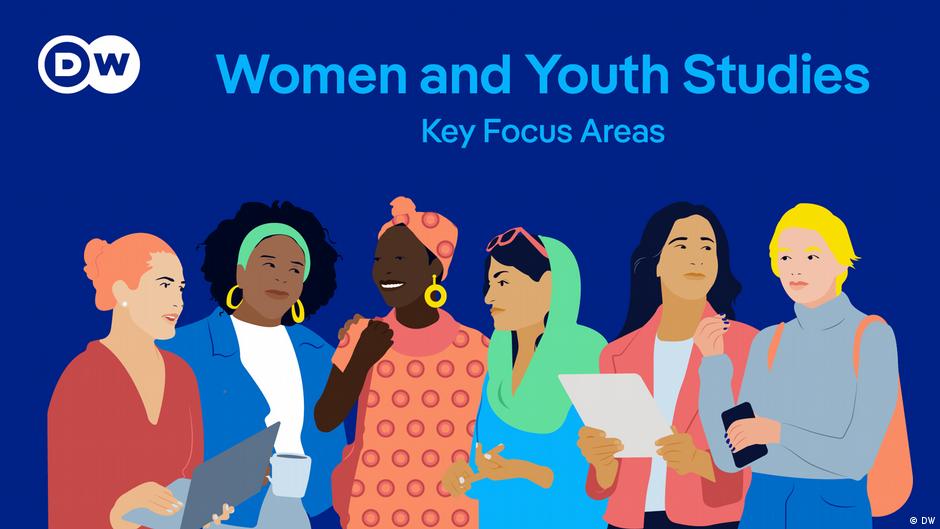
Women constitute nearly half of the global population, yet their representation in the news sector remains disproportionately low compared to men. A recent study conducted by Deutsche Welle reveals that the reasons for this discrepancy extend well beyond mere disinterest in news.
The “Women and Youth Studies” (WAYS) report—nominated for an ESOMAR Award for Outstanding Contribution to Consumer Insights—investigates the factors that contribute to women’s lower news consumption rates and suggests actionable strategies for media organizations aiming to better engage this demographic.
No Singular Female Audience
The report underscores that there is no monolithic female audience; women’s news consumption behaviors vary significantly based on cultural context, life stages, educational backgrounds, and access to digital platforms. For instance, a young professional in Mexico City may exhibit similar media habits to her male colleagues, whereas a mother in rural Kenya might encounter practical barriers such as limited time, high data costs, or unreliable internet access.
The study advocates for an inclusive approach to strategy development—shifting the focus from “How can we reach more women?” to “How can we connect with young audiences?” This reframing could result in more targeted and relevant content across different demographics.
Manuela Kasper-Claridge, Editor-in-Chief at DW, commented, “This research serves as a crucial guide for media organizations striving to ensure women have access to the news they require.” She noted that women are particularly drawn to stories that have a human element, ones that illustrate how events affect individuals’ lives.
The Importance of Representation
Engagement patterns indicate that representation plays a critical role. Female audiences are more inclined to connect with content showcasing women in pivotal roles, whether as experts, protagonists, or decision-makers. Success stories—like a Saudi rock band challenging cultural norms or a Paralympian advocating for change—tend to be among DW’s most viewed videos by female audiences.
Additionally, a balanced gender ratio within the content correlates with higher levels of engagement. The analysis of DW’s top-performing videos catering to women reveals an average ratio of women to men around 1.5 to 1.7.
Diverse News Consumer Profiles
The study identifies two main archetypes of female news consumers across regions such as Kenya, Ghana, India, and Mexico:
- Digital Natives: These are younger women adept in social media platforms like TikTok and Instagram. They prefer brief, visually driven, personality-oriented content but also face risks such as misinformation and news fatigue.
- Hybrid Users: These women navigate both traditional and digital media, including TV, radio, and various social platforms. They seek in-depth reporting but often deal with practical challenges such as high data costs and time constraints.
Both groups demand fact-checked information, authenticity, and diverse storytelling that resonates with their lived experiences.
Engagement by Platform
The research highlights significant variations in engagement across social media platforms, notably influenced by gender. TikTok and Instagram are particularly appealing to female audiences. On TikTok, certain DW channels capture about 40% female viewership, a figure nearly three times higher than on YouTube. For example, the “Planet A” channel reports only 13% female engagement on YouTube compared to 45% on TikTok.
Furthermore, while women account for only 13% of DW Arabic’s YouTube viewers, they represent 40% of its TikTok followers. This trend emphasizes the need for platforms to tailor content to their specific user bases. Instagram, especially among younger women, also shows promise, although engagement varies regionally.
Broadening News Topics
The study reveals that women’s interests extend beyond traditional segments of news. Contrary to common assumptions, women engage with a wide array of topics, including those typically viewed as male-oriented “hard” news, when presented in relatable formats. Human-centered narratives make complex subjects more digestible. For instance, DW Ukrainian’s coverage combines conflict reporting with a humanitarian lens, making it more relatable to women.
Women consume diverse content ranging from health and lifestyle to environmental issues. The critical difference lies in how these subjects are presented—stories that foster emotional connections and provide practical solutions enhance engagement.
Addressing Hidden Barriers
In regions such as Iran and Afghanistan, a significant percentage of DW’s Instagram followers are categorized as “unknown” gender—46% for DW Persian and 40% for DW Dari. This could indicate that women are concealing their identities due to societal pressures, suggesting that the true reach among female audiences might be higher than recorded.
While DW’s core female audience tends to be urban and relatively educated, many still encounter barriers, such as high mobile data costs in certain regions. Addressing these access issues through more data-efficient and offline-capable formats is vital for improving female engagement.
Younger Audiences: The Key to Inclusion
The findings imply that younger demographics are essential for increasing female news consumption. Women under 35 represent a larger portion of social media users, indicating that engagement strategies geared toward this group could also enhance overall female reach.
Younger consumers prefer short, visually appealing, and mobile-friendly content, often discovering news through social media’s “news will find me” approach. Techniques such as short videos, memes, and contemporary storytelling have proven effective in building trust and engagement among younger women.
Enhancing Inclusion: Next Steps
The WAYS study suggests that capturing a larger female audience necessitates rethinking not just the content but also how news is framed and delivered. Increasing female representation in leadership and employing inclusive storytelling are foundational steps in this process. Adapting diverse formats for different platforms—such as TikTok for brief insights and WhatsApp for immediate updates—enables broadcasters to meet audiences in their preferred environments.
Ultimately, the study emphasizes the significance of ongoing introspection and adaptability. Lasting engagement arises not only from specific topics but also from the methods used to present and disseminate information. For DW and similar media outlets, the challenge extends beyond merely informing; it’s about forging connections by delivering content that is inclusive, relevant, and compelling.
