


The Great Wealth Transfer: Addressing Women’s Financial Planning Challenges
Overview of the Great Wealth Transfer
America is on the verge of an unprecedented wealth exchange, with an estimated
$124 trillion expected to change hands over the next 23 years. This
substantial transfer is primarily between baby boomers and younger generations,
including heirs, widows, and charitable organizations.
Women: The Primary Beneficiaries
According to a report by Bank of America, women are anticipated to inherit
approximately 70% of this wealth. However, financial experts warn that without
proper planning, women may face significant obstacles in managing their new
assets.
The Confidence Gap in Financial Planning
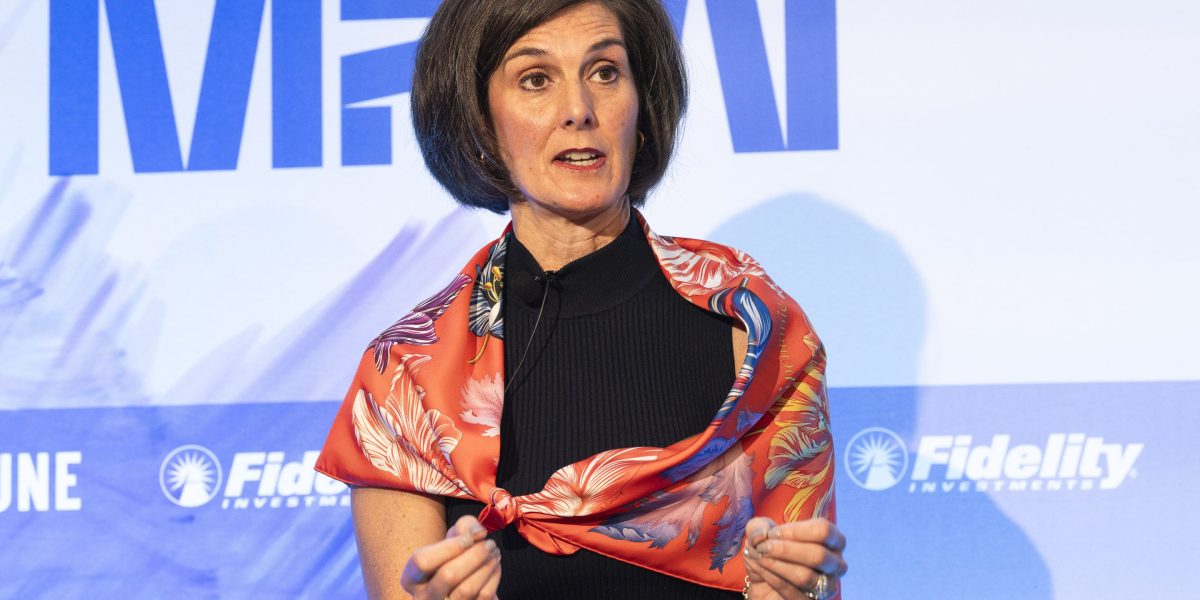
During a recent session at the Fortune Most Powerful Women Summit, Karla
D’Alleva Valas, head of private wealth management at Fidelity Investments, highlighted
a prevalent misconception: high earners automatically possess financial freedom.
“That’s a myth,” she stated, emphasizing the importance of having a clear and
adaptable financial plan in place.
A study from JPMorgan in March 2025 revealed that about 60% of men take the lead
on long-term financial planning, compared to roughly 25% of women. This stark
difference suggests a pressing need for women to engage more actively in
financial decision-making.
Addressing Psychological and Social Barriers
Jean Chatzky, CEO of HerMoney Media, pointed out that societal narratives often
create psychological barriers for women regarding money management.
“We all have a money story, and it’s not what we were taught as young women,”
she noted. Coupled with caregiving duties and longer life expectancies, these
factors lead to inequities in financial confidence among women.
Establishing a Strong Financial Foundation
Valas emphasizes the importance of early financial planning, stating, “Everyone’s
at least just one life event away from needing a financial advisor.”
She encourages taking proactive measures before crises occur, ensuring that
individuals are prepared for unexpected challenges.
Educating Future Generations
To bridge the confidence gap, experts suggest that women should engage in
conversations about financial planning with their daughters from a young age.
Connie Collingsworth, former COO of the Gates Foundation, highlighted the role
modeling of financial literacy, asserting that open discussions can empower
the next generation, creating a culture of financial independence.
“If we show our daughters, and we talk to them about these issues, I think
they will have a sea change,” Collingsworth explained. She also warned against
making trust funds too accessible, advocating for responsible financial
habits among children of wealthy parents.
