


Understanding the Protective Role of Breastfeeding Against Breast Cancer
In the 18th century, physicians observed that nuns exhibited unusually high breast cancer rates. This early observation sparked scientific inquiry into the protective effects of childbearing and breastfeeding on breast cancer risk. Fast forward to modern research, which has validated these initial findings while unveiling new insights into the underlying biological mechanisms.
Study Insights on Immune Protection
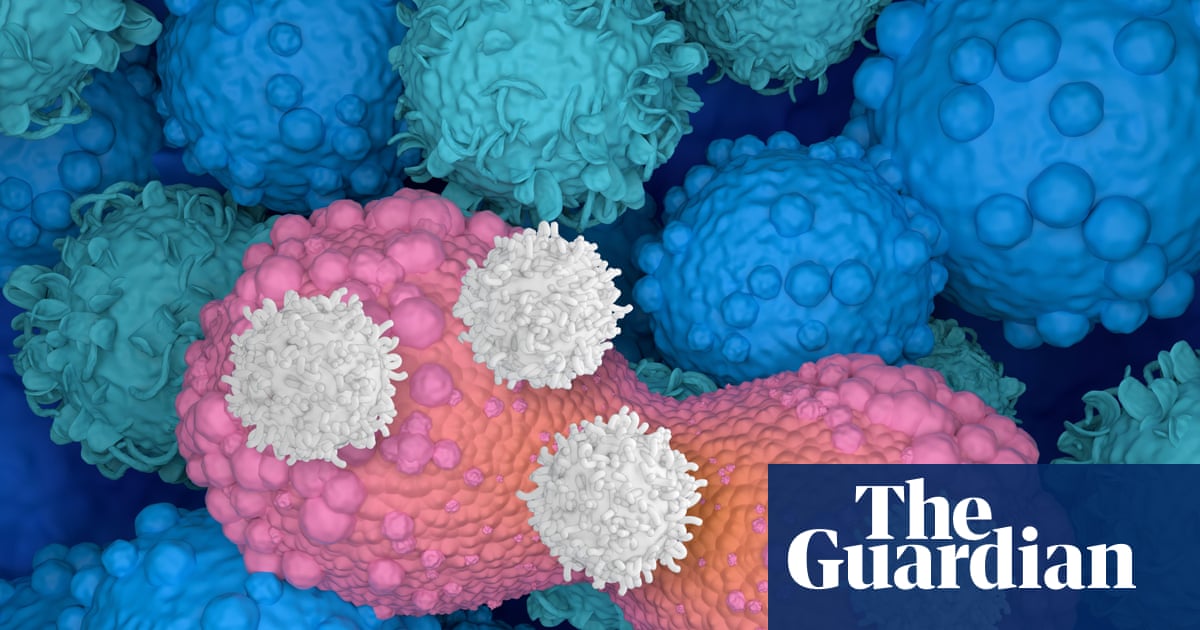
Recent research published in Nature has shifted the focus from hormonal changes during pregnancy to the role of breastfeeding in fostering long-lasting immune protection against breast cancer. Prof. Sherene Loi, a clinician scientist at the Peter MacCallum Cancer Centre in Melbourne, emphasized the significance of the adaptive immune system, particularly T-cells, which target specific pathogens and exhibit anti-cancer properties. “This response is one of our very modern therapeutic weapons against cancer,” she noted.
Link Between T-Cells and Breast Cancer Outcomes
Prof. Loi’s team including specialized immune cells in breast cancer tissue, finding a correlation between the presence of these cells and better patient outcomes. This was especially evident in triple-negative breast cancer, an aggressive subtype. Their study indicated that patients with higher levels of immune cells had improved prognoses, which led researchers to explore the role of these T-cells in breast health.
The Research Process
The investigation involved analyzing non-cancerous breast tissue samples from over 260 women who had undergone reduction surgeries. Findings revealed that women who had children possessed significantly more CD8⁺ T-cells—an important type of immune cell—remaining present even three decades post-pregnancy.
Utilizing mice models to simulate breast tissue, researchers implanted cancerous cells and observed that those who had previously given birth and breastfed exhibited slower tumor growth compared to virgin mice. Upon depleting the T-cells from the mice that had offspring, the protective effect diminished, supporting the hypothesis that T-cells play a critical role in combating breast cancer.
Breastfeeding and Cancer Outcomes
Further analysis encompassed studies involving over 1,000 breast cancer patients post-childbirth, systematically assessing their breastfeeding experiences. Results indicated that those who breastfed frequently had more robust immune responses to their tumors, correlating to enhanced long-term outcomes, especially concerning triple-negative breast cancer.
Key Findings and Future Implications
Prof. Loi highlighted that “pregnancy and breastfeeding will leave behind long-lived protective immune cells in the breast,” which have beneficial effects against breast cancer and possibly other diseases. Understanding the mechanisms behind this immunity could pave the way for novel strategies, potentially creating therapeutic approaches for women unable to have children or breastfeeding.
While the protective features of breastfeeding can contribute to reduced breast cancer risk, it is important to note that they do not completely negate the possibility of developing the disease. “The effects are really quite small for every individual, but population-wide the effects are large,” said Prof. Loi.
Breastfeeding Duration and Risk Reduction
Associate Prof. Wendy Ingman from the University of Adelaide added that longer breastfeeding durations are associated with greater risk reductions for breast cancer—approximately a 4% lifetime risk reduction per year of breastfeeding.
Ingman expressed optimism that ongoing research revealing how childbirth and breastfeeding instigate lasting immune changes might yield new methods for reducing breast cancer risks among women. The collective evidence underscores the potential importance of breastfeeding as an integral factor in breast cancer prevention strategies.
