


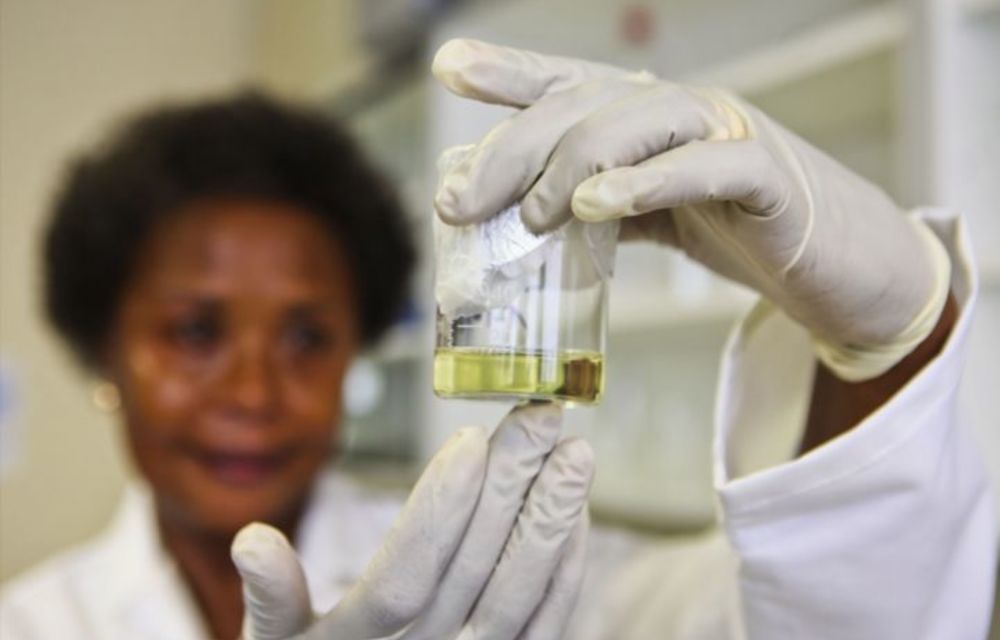
Empowering Women in STEM: A Pathway to Progress

The increasing presence of women and girls in the fields of science, technology, engineering, and mathematics (STEM) is vital for fostering innovation and achieving a sustainable future. On February 11 each year, the International Day of Women and Girls in Science serves as a reminder of the significant role women play in these areas.
Challenges Faced by Women in STEM
Despite notable progress toward gender equality, women and girls continue to encounter numerous obstacles that hinder their participation in STEM. These challenges include:
- Stereotypes: Prevailing beliefs that portray STEM as predominantly male discourage young girls from pursuing these fields.
- Access to Opportunities: Limited access to quality educational resources and laboratory experiences reduces early engagement and learning.
- Mentorship Gaps: The scarcity of female role models and mentors hampers the career progression of women in STEM.
- Workplace Inequalities: Gender biases in funding, hiring practices, and workplace culture further complicate women’s entry and retention in these fields.
- Cultural Pressures: Societal expectations often create additional burdens, making it more difficult for women to balance professional and personal lives.
The Importance of Representation
Although women represent over 50% of university graduates globally, they constitute less than 30% of researchers, as reported by the United Nations Educational, Scientific and Cultural Organisation (UNESCO). This underrepresentation affects innovation and societal advancement, as diverse perspectives are essential for driving scientific progress.
Efforts Toward Inclusion in South Africa
In South Africa, bolstering the involvement of women and girls in STEM is crucial for addressing social issues such as poverty, unemployment, and inequality. To achieve this, it is imperative to enhance educational infrastructure and provide superior training to both educators and students.
Positive changes are underway, evidenced by increasing numbers of female scientists making significant strides in research and academia. Initiatives including scholarships, mentorship programs, and policy reforms are emerging, presenting new opportunities for women in the scientific community.
Case Study: Stellenbosch University’s Initiatives
Stellenbosch University is a leading institution in promoting inclusivity within the scientific community. The university implements targeted initiatives that offer mentorship and networking opportunities for female researchers while engaging school-aged girls through STEM outreach programs.
Recent achievements include the recognition of three emerging researchers—Kimberley Coetzer, Dr. Lesha Pretorius, and Dr. Nonsikelelo Hlongwa—with the prestigious L’Oréal-UNESCO For Women in Science Award, underscoring their formidable contributions to research. Additionally, Professor Pumla Gobodo-Madikizela received the Templeton Prize for her mentorship of young scholars, highlighting the importance of support in fostering new talent.
A Collective Responsibility
While academic institutions play critical roles, enhancing the participation of women in STEM requires a united effort from governments, the private sector, and civil society. Strategies to promote gender equality include:
- Highlighting female role models in STEM to inspire young women.
- Implementing policies that guarantee equitable research funding and hiring practices.
- Creating mentorship opportunities to support young women in their scientific careers.
- Investing in programs designed to encourage girls to engage in STEM curricula.
Encouraging the participation of women and girls in STEM is not solely a matter of justice; it is a necessity for progress. As we tackle complex challenges such as climate change and health crises, diverse perspectives will be integral to finding effective solutions.
Join us in advocating for a more inclusive scientific community—because the future of science depends on contributions from all individuals.
