


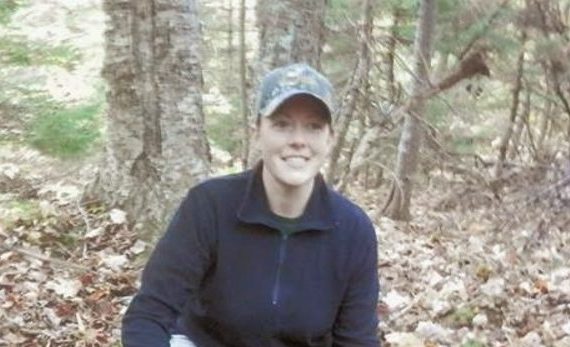
The Evolving Role of Women in Hunting and Fishing
Women are increasingly becoming a prominent presence in hunting and fishing, yet many continue to confront skepticism about their abilities and experiences in the outdoors. A recent personal encounter highlights this challenge: after landing a 36-inch pike on a fly rod, a common question arose, “Did you catch that yourself?” This question encapsulates the doubts that women often face in a traditionally male-dominated space.
Proving Credibility
On that particular day, I also caught a 30-inch pike, a feat I had humorously linked to gaining credibility among my peers. My belief was straightforward: significant catches equate to respect in this domain. This reflects a broader issue—many women in outdoor sports feel they must substantiate their skills repeatedly, often through tangible achievements.
My background tells a different story. I have successfully hunted a 457-pound black bear and a 986-pound dressed moose. Despite these accomplishments, the cycle of needing to prove oneself persists.
Fast-Growing Demographic
Women represent one of the fastest-growing groups in hunting and shooting sports, yet numerous challenges remain. Questions about equipment, expertise, and ethics are common. It’s crucial to consider: do male hunters face similar scrutiny about their gear or methods?
Discrimination in the Outdoor Space
Discrimination claims, such as those recently made against the Maine Department of Inland Fisheries and Wildlife (DIF&W) regarding alleged favoritism towards women, merit discussion. I found humor in this allegation while recognizing the real challenges women have faced for decades in gaining acceptance and respect in outdoor pursuits.
When I began my career in writing about hunting and fishing, I assumed all would appreciate my stories and photographs—images depicting successful hunts and the food derived therefrom. I mistakenly believed that my voice carried equal weight to those of my male counterparts.
Harassment and Challenges
Past experiences have demonstrated that societal biases persist, even in written publications. An article I crafted exploring the harassment women encounter in outdoor spaces was rejected by an editor over a decade ago. The relevancy of that discourse remains, particularly as harassment evolves in the digital realm where anonymity permits hostile behavior.
Women Leaders in Conservation
Despite ongoing obstacles, there are numerous women leadership figures in Maine who are significantly impacting the outdoor community:
- Shevenell Webb: As the state’s furbearer and small game specialist, Webb played a crucial role in developing Maine’s furbearer management plan, known for her extensive knowledge and hands-on experience.
- Jen Vashon: The lead bear and lynx biologist at DIF&W, Vashon boasts decades of expertise, collaborating on significant projects within wildlife management.
- Catherine Gordon: The only woman on the DIF&W Advisory Council, Gordon dedicates her efforts to supporting veterans and empowering women and girls to connect with nature.
- Christi Elliott: With a community exceeding 7,500 women, Elliott fosters skill development and camaraderie in the outdoor sporting world.
Raising Voices and Shifting Norms
I had the opportunity to testify in support of Commissioner Judy Camuso, Maine’s first female leader in this role. Camuso exemplifies her advocacy, regularly sharing her outdoor activities online. Her influence has expanded access and confidence among women and minorities in hunting and fishing.
In contrast, the previous commissioner, an avid fisherman, did not encounter similar scrutiny regarding his engagement with these activities. This discrepancy illustrates a double standard not typically applied to men.
Ending Gender Barriers
Critiques regarding the push for women’s representation in outdoor leadership, such as claims of creating a “matriarchy,” underscore a misunderstanding of the landscape. Traditional hunting, fishing, and trapping cultures are steeped in patriarchal norms, yet there exists a supportive community advocating for inclusion across diverse identities.
Ultimately, the future of hunting and fishing in Maine hinges on welcoming individuals from all backgrounds who share a passion for the outdoors and conservation. Exclusion based on gender, sexual orientation, or race poses not only ethical concerns but undermines the growth necessary for sustaining these activities.
The prevailing suggestion to women in outdoor spaces remains disheartening, often reduced to the superficial: “Maybe you should show your boobs and try smiling more.” This expectation reflects outdated stereotypes that must be eradicated. Skill, passion, and knowledge should drive recognition and respect in the outdoor realm.
