


Childbirth Challenges Among Nomadic Women in Jammu and Kashmir
A Journey Through the Pir Panjal Mountains
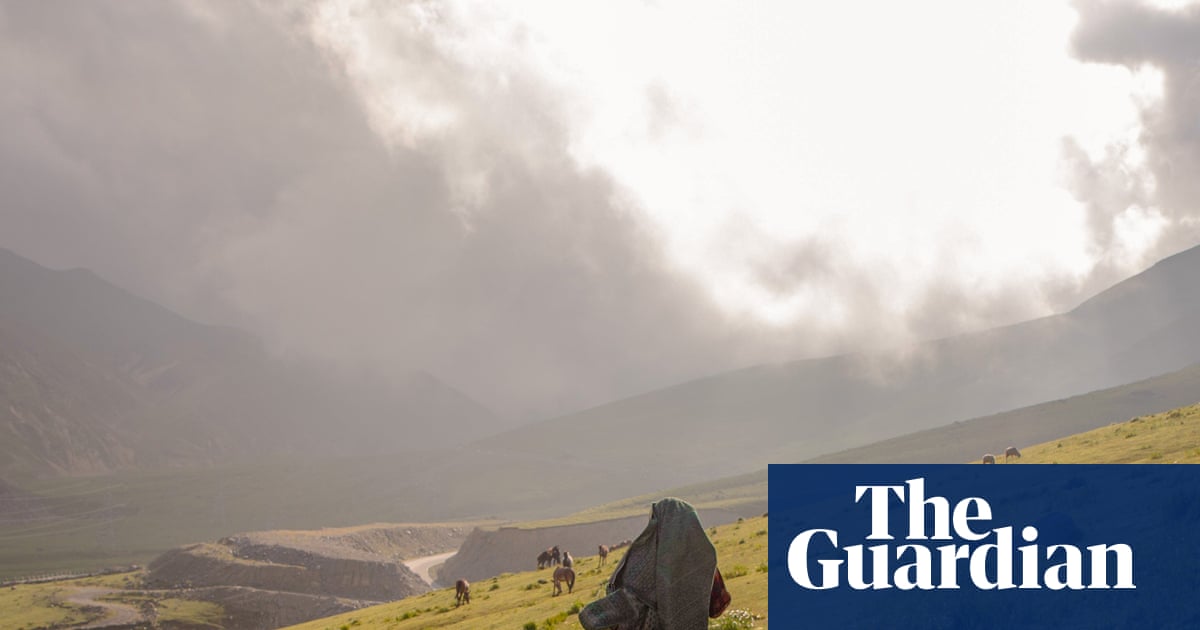
As dawn illuminated the Pir Panjal mountains, Fatima Deader began to experience labor pains during her arduous 134-mile trek from Rajouri, Jammu, to the higher pastures of Kashmir. Accompanied by a caravan of approximately 70 pastoralists, she and her family stopped to camp for the night, surrounded by lush forests and the wildlife within them.
Even though Fatima, who is just a week shy of her due date, felt a mixture of fatigue and discomfort from the horseback journey, she could not have been prepared for the intense pain that soon followed.
Childbirth in Isolation
With no access to medical facilities, Fatima was assisted only by her mother and a local midwife, Saira Begum, inside a damp canvas tent. “There was no clinic, no nurse, no doctor,” Fatima, 23, recalls. Just hours after giving birth, she had to mount her horse again, with her newborn securely tied to her, as their group ventured through dense, rugged terrain inhabited by wild animals.
The Pir Panjal pass, standing at 3,500 meters, serves as the traditional route connecting Jammu to Kashmir. Each year, upon the melting of snow, nearly a million nomadic herders—including the Gujjar and Bakarwal communities—embark on a lengthy migration with their livestock. This practice continues for several months and poses significant challenges for women who are pregnant or nursing.
Health Risks and Healthcare Gaps
The harsh realities of these migratory journeys mean that many women give birth under trees, by rivers, or in makeshift shelters, often after days without adequate nutrition. Fatigue from carrying heavy loads exacerbates their vulnerability. Those lucky enough to reach district hospitals often arrive malnourished, anemic, or suffering from infections.
Fozia Choudhary, who was only 16 when she gave birth in 2016, described her experience as a struggle against her own frailty. With limited access to food during her pregnancy, she was lucky to reach a hospital in time: “They shouted at my husband, asking how I had even survived this long,” she recalled. The doctors’ concern was warranted, as she needed multiple blood transfusions just to stabilize her condition.
Role of Traditional Midwives
In a landscape marked by a lack of medical infrastructure, the survival rate for these women often hinges on the expertise of traditional midwives. At the age of 63, Saira Begum has been delivering babies for decades along the mountain routes but is deeply aware of the risks they face. “Sometimes there is so much blood loss we can’t save the mother,” she stated candidly.
“We have only the knowledge passed down to us – no medicines, no doctor. If I fall sick, who will help these women?”
Dr. Mushtaq Wani, a public health researcher, emphasizes the need for proper data collection. Current estimates suggest that Jammu and Kashmir has a maternal mortality ratio (MMR) of 46, significantly better than India’s national average. However, these figures largely exclude undocumented cases from nomadic communities that rarely make it to hospitals.
Need for Improved Healthcare Solutions
Kashmiri politician and physician Dr. Yasin Rather points out that despite promises for mobile healthcare services for these communities, no substantial actions have been taken. An anonymous senior health official acknowledged the geographical and resource challenges that impede medical support.
Doctors report that many women arrive at hospitals after strenuous journeys of 10-15 kilometers in labor, often too late for effective intervention, highlighting common issues such as severe anemia and obstructed labor.
The challenges are compounded by early marriages and nutritional deficiencies, particularly among young mothers. International organizations like the UN Population Fund have noted this is a trend seen not only in Jammu and Kashmir but across various regions where nomadic lifestyles prevail.
Countries like Mongolia and Ethiopia have successfully implemented mobile healthcare strategies to provide essential services to remote pastoralist communities, demonstrating possibilities for improving maternal care in Jammu and Kashmir.
Conclusion
As Saira Begum reflects on her crucial role in delivering babies amidst the wilderness, the pressing need for comprehensive healthcare solutions for nomadic women becomes increasingly clear. “What else do you have in the jungles, except an old woman’s hands?” she muses. The situation encapsulated by Fatima, who acknowledges that their survival often feels like “luck,” underscores the urgent necessity for support systems aimed at safeguarding maternal health during migration.
