


Advocating for Gender Balance in Newfoundland and Labrador Politics
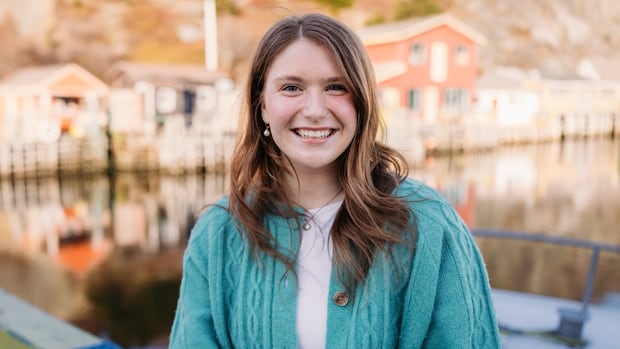
Kate Cadigan, chair of Equal Voice Newfoundland and Labrador, asserts the critical need for increased representation of women and gender-diverse individuals in the political arena, particularly as the province approaches its general election on October 14.
Current Landscape of Candidates
As highlighted ahead of the election, party representation remains uneven:
- NDP: 21 women among 40 candidates
- Liberals: 14 female or non-binary candidates
- Progressive Conservatives: 10 female candidates
This results in approximately 38 percent of the candidates being female or non-binary, contrasting with the 2021 census indicating that women constitute 51 percent of Newfoundland and Labrador’s population. In the last legislative session, only nine women served as Members of the House of Assembly (MHAs).
The Importance of Gender Representation
Cadigan expresses concern over the possibility of women’s representation declining further after the election. “It’s really important to ensure that we’re moving forward and not backwards, and that’s not a very big margin to work with,” she stated. Her involvement in local politics includes her candidacy for councillor at large in St. John’s, reflecting her commitment to fostering inclusivity in governance.
Barriers and Solutions
Leaders from the Liberal and Progressive Conservative parties have acknowledged the existing hurdles that can deter women from running for office, such as childcare needs and the demands of lengthy campaigns. Cadigan emphasizes the role of political leaders in creating an environment where women and gender-diverse individuals feel welcomed in politics. “It’s especially important if we want to see more women and gender-diverse individuals in our House of Assembly,” she noted.
To facilitate progress, Cadigan advocates for legislative changes, such as adopting fixed election dates well in advance. This approach would allow potential candidates to better plan their time away from personal and professional obligations.
Moving Forward
Cadigan urges for a collaborative effort to enhance gender balance in political candidacies. “By running a more gender-balanced slate, your chances of having a more equal House of Assembly are better, and it needs to be a priority,” she emphasized. As the election date draws near, the focus remains on attracting diverse voices to mirror the demographics of the province.
The vital conversation surrounding gender representation continues with the intention of inspiring future generations to participate actively in politics. It is through these discussions and initiatives that the path toward improved equality in political representation can be forged.
For more insights on this topic, visit CBC News.
