


Economic Trends: The Decline of Black Women’s Workforce Participation
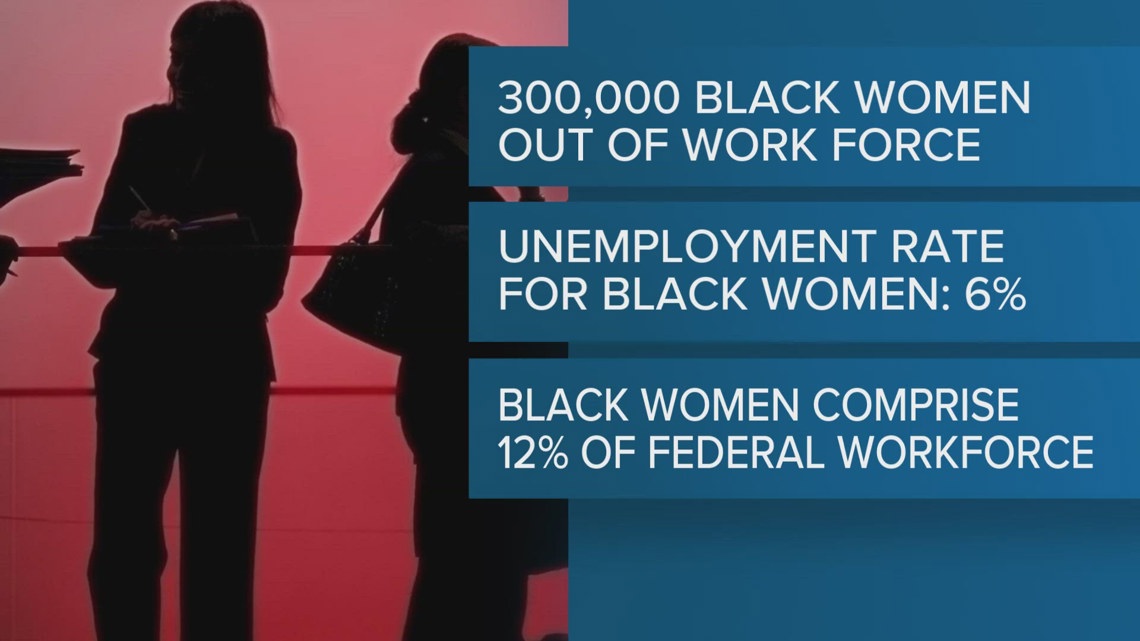
On August 18, 2025, gender economist Katica Roy provided insightful analysis on the significant decrease in workforce participation among Black women, examining its broader economic implications during a segment on 11Alive News.
Understanding the Decline
Roy highlighted the alarming trend of Black women’s exit from the labor force, stressing that this is not merely a personal issue but a substantial economic concern. This decline can lead to reduced economic stability for families and communities, contributing to a cycle of poverty and lack of opportunity.
Factors Contributing to Workforce Withdrawal
Several factors have been identified as contributors to this decline:
- Systemic Barriers: Structural inequities within the workplace continue to pose challenges for Black women, affecting hiring practices, salary levels, and promotional opportunities.
- Caregiving Responsibilities: Many Black women bear the brunt of caregiving, which often conflicts with workforce commitments and leads to difficult choices between family and career.
- Job Market Conditions: Economic fluctuations and job availability also significantly impact employment opportunities, making it harder for Black women to secure stable employment.
The Economic Impact
Roy emphasized that the withdrawal of Black women from the workforce not only affects those individuals but also has a ripple effect through the economy. The loss of their contributions can lead to decreased household incomes, reduced consumer spending, and a slowdown in overall economic growth.
Looking Forward
To address these issues effectively, Roy advocates for comprehensive policy changes and support systems aimed at enhancing workforce participation among Black women. This includes advocating for equitable hiring practices, providing accessible childcare options, and developing flexible work arrangements.
This timely discussion underscores the urgent need for targeted strategies to reverse the trend and empower Black women in the workforce. The implications of not acting could be profound, potentially perpetuating economic disparities for generations to come.
For more insights into this critical issue, view the full segment on 11Alive News.
