


Women in Bihar Politics: Beyond the Structural Barriers
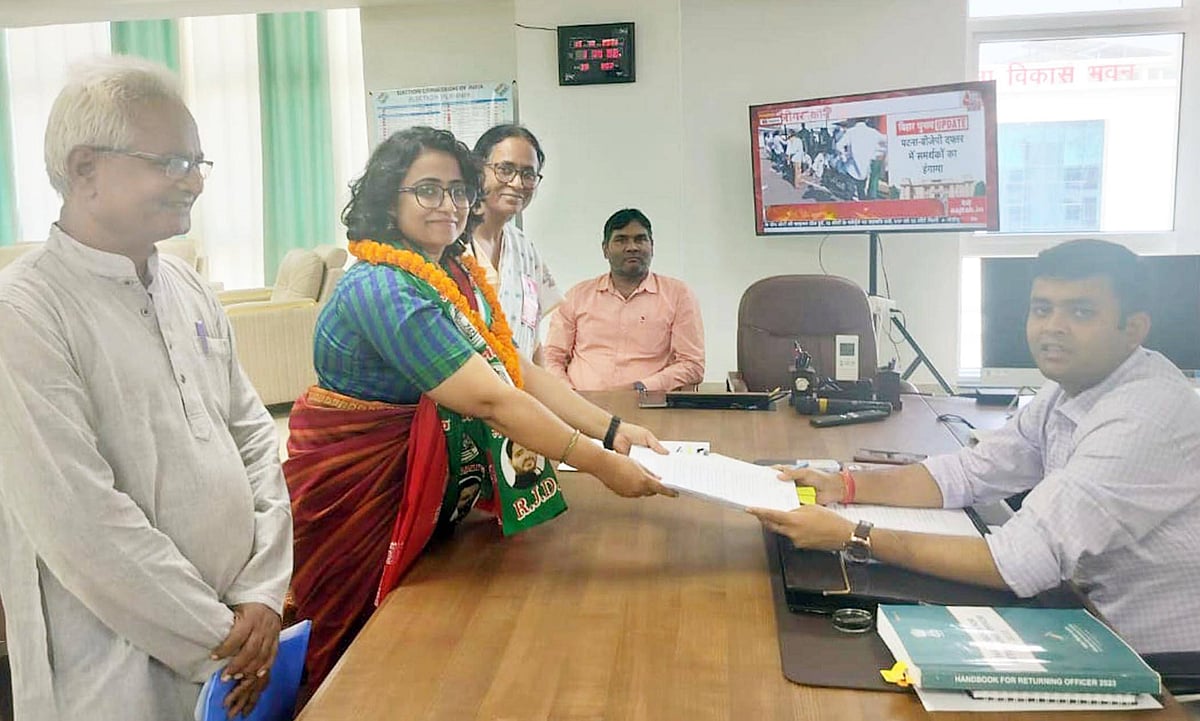
The political landscape in Bihar remains steeped in tradition and patriarchal norms, significantly impacting women’s representation. Independent candidate Ritu Jaiswal, a former mukhiya who ran for office in Parihar, highlights the ongoing challenges women face in gaining genuine political agency.
Persistent Patriarchy in Politics
Despite numerous initiatives aimed at empowering women in Bihar, Jaiswal points out that the reality diverges sharply from the intended outcomes. “Despite all the schemes for women, Bihar continues to be a patriarchal society and neither political parties nor the voters have any faith in women,” she explains. This sentiment underscores the systemic barriers that hinder women’s advancement in political roles.
The “Pradhan Pati” Phenomenon
Jaiswal further critiques the recent trend of political parties nominating women candidates who are often perceived as placeholders for their male relatives. She references women like Shivani Shukla, Anita Mahto, both from the RJD, and Lovely Anand from the JD(U). These nominations frequently occur when the men in their families cannot contest due to legal issues or criminal charges, thereby perpetuating a cycle where true agency remains elusive.
A Modern Interpretation of Tradition
This practice echoes the earlier “Pradhan Pati” phenomenon, where husbands made decisions on behalf of women elected as sarpanch. Jaiswal posits that this situation is merely a contemporary version of a long-standing issue in Bihar’s political dynamics, where women’s roles are often limited to mere figureheads rather than decision-makers.
Conclusion
As the struggle for women’s political empowerment continues in Bihar, the insights offered by Jaiswal serve to illuminate the need for systemic change. Without addressing the underlying patriarchal structures, the aspirations towards genuine female representation in politics are destined to be undermined.
