


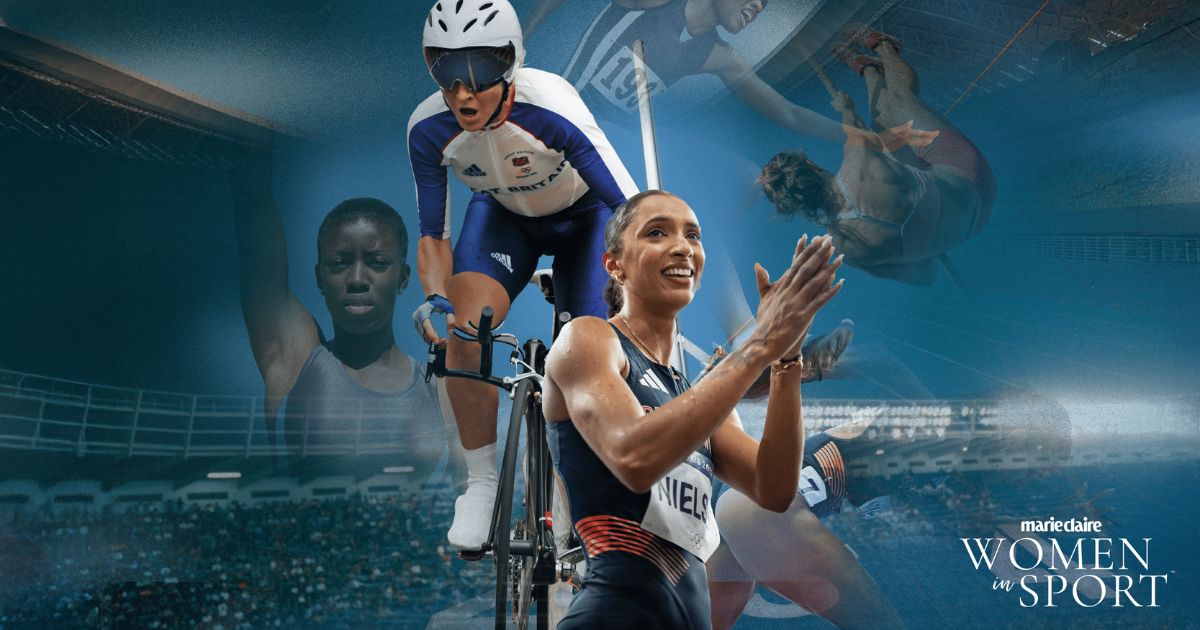
The Unseen Struggles of Female Athletes: A Call for Mental Health Awareness
Amber Keegan, a talented swimmer from Nottingham, discovered her passion for water at an early age. By sixteen, she had already made waves at the World Junior Championships and had notable placements at the European Junior Championships. However, her journey was not solely marked by medals; for years, she faced significant mental health challenges that almost derailed her aspirations of competing for Team GB at the Olympics.
From Triumph to Tribulation
Amber recounts, “I started struggling with an eating disorder around 2016. I was eating less and exercising more, trying to control the parts of my brain that were spiralling.” This struggle stemmed from an unhealthy perception imposed on female athletes regarding body image, where being slender was often equated with success. Keegan explains, “Women were supposed to look petite, not strong… I didn’t realize how much these messages adversely affected my health.”
A Supportive Recovery Journey
With determination and the support of a dedicated team, Keegan made a full recovery. Reflecting on this period, she noted, “I was lucky to have a support team who focused on me as a person and not just as an athlete.” This holistic approach enabled her to achieve significant milestones, including swimming the English Channel in just 8 hours and 44 minutes. Against this backdrop, she founded Athlete Interactions, a charity to promote mental health awareness among female athletes, ensuring they do not endure similar isolation. Since its inception in 2021, the organization has received a P&G Athletes for Good grant in 2024.
The Broader Context of Mental Health in Female Sports
Research indicates that female athletes suffer higher rates of anxiety, depression, and body image issues compared to their male counterparts. Studies conducted by organizations such as Arthrosc Sports Med Rehabil. highlight these alarming trends, revealing that 39% of female athletes attribute their anxiety primarily to concerns over body image, a stark contrast to only 12% of male athletes.
Factors contributing to this higher prevalence of mental health difficulties include:
- Increased pressure to succeed within a competitive environment
- Higher scrutiny from coaches and the public
- The impact of childbirth and associated identity challenges
Voices from the Field: Athletes Sharing Their Stories
Laviai Nielsen: Navigating Identity as a Female Athlete
Laviai Nielsen, an Olympic bronze medalist in the 400m, acknowledges the progress made in recognizing female athletes. “It feels like we’re finally being recognized for our strength, resilience, and presence,” she states. However, she highlights persistent issues such as unequal pay and societal pressures that continue to affect women’s experiences in sports.
Emma Pooley: Confronting Weight Obsession in Sports
Emma Pooley, a silver medalist cyclist, sheds light on the damaging culture surrounding body image in competitive cycling. “When I was racing, the pressure to be skinny was pervasive,” she recalls, noting her own struggles with an eating disorder fueled by these expectations. She emphasizes that the cycling community is beginning to better understand nutrition and women’s health, advocating for a healthier and more supportive environment.
Creating Change: The Need for Continuous Support
The challenges female athletes face are not just personal; they reflect a broader systemic issue within sports. Sarah Bellew, Head of Communications at Women In Sport, highlights the necessity of reform. “Statistics show that one in three female athletes feel they don’t get enough coaching support compared to men,” she notes. This signifies a pressing need for structural changes that enhance mental health support and empower women athletes.
As awareness grows, initiatives such as AI monitoring for online abuse may provide some protection for female athletes facing sexism. Nonetheless, Bellew argues for more substantial reforms, including legislative measures to combat misogyny.
Conclusion: A Future Vision for Female Athletes
Female athletes have shown remarkable resilience in overcoming various challenges. As we shine a spotlight on mental health within sports, it becomes vital to create an environment where these athletes can thrive without fear of judgment regarding their appearance or abilities. By continuously advocating for their needs and addressing the underlying societal issues, we can support female athletes in reaching their full potential, both mentally and physically.
