


The Intersection of Beauty and Power in Venezuela
Venezuela, known for holding two notable world records—most international beauty crowns and the largest proven oil reserves—offers a unique perspective on how these seemingly unrelated titles are deeply intertwined with the national identity and socio-economic status. The historical oil boom of the mid-20th century positioned Venezuela as the wealthiest nation in Latin America during the 1970s, shaping perceptions of beauty and progress.
The Role of Miss Venezuela
Throughout the oil boom, the annual Miss Venezuela pageant became a symbol of the nation’s aspirations and dreams. Even amidst ongoing political and economic crises, the tradition of beauty pageants persists. They serve as a significant cultural fixture in Venezuelan society.
“Beauty pageants are a platform for personal progress and a possible way out of poverty.”
Cultural Significance of Pageants
Growing up in Caracas during the 1990s, the impact of the Miss Venezuela pageant was palpable, with the entire country tuning in for the event. Within the context of the ongoing project Reinas, participation in multiple pageants in a single week is not uncommon, with involvement crossing demographic lines, including women and the queer community.
Realities Behind the Glamour
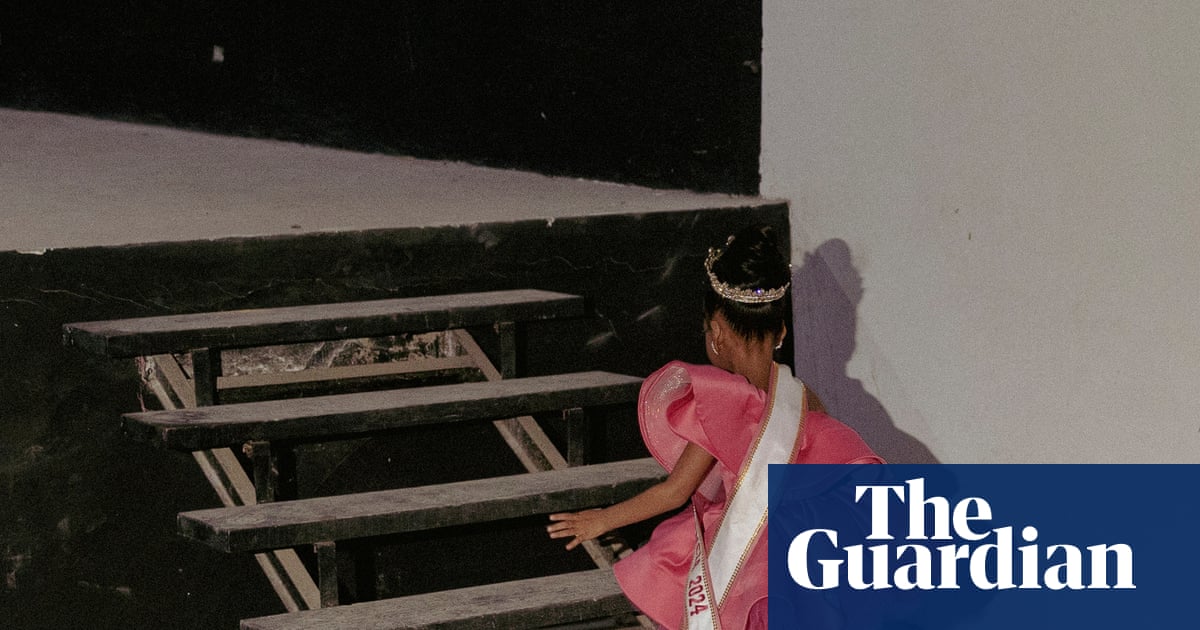
During a recent pageant for young girls in which I participated, I witnessed a poignant moment: a young girl in a pink dress ascended the stairs alone, embodying a delicate dream yet starkly contrasting with the reality surrounding her. While beauty pageants often impose rigid heteronormative standards, many participants express feeling empowered through the personas they create.
Pathways to Opportunity
For many young women in Venezuela, beauty contests provide a potential escape from economic hardship. Most contestants hail from low-income backgrounds, despite the considerable costs associated. Success in smaller titles can pave the way for broader recognition, subsequent opportunities in modeling, media, or even political arenas.
Noteworthy figures like Irene Sáez, Miss Venezuela 1981 and Miss Universe, exemplify this connection between beauty and power. After winning her titles, she ascended to political prominence as the mayor of Chacao and even ran for presidency in 1998 against Hugo Chávez.
Pageantry Amid Political Unrest
The fusion of beauty and political activism is striking. During the national strike in 2002, which disrupted the country for three months, the largest oil tanker in Lake Maracaibo was named after beauty queen Pilín León, representing the face of resistance and political struggle.
A Multi-Dimensional Cultural Phenomenon
The culture of beauty pageants in Venezuela extends beyond superficiality; it is deeply rooted in political engagement and societal expectations. This nuance makes the archetype of the beauty queen a complex figure, symbolizing not just aesthetic appeal but also the intertwining of personal ambition and national identity.
As highlighted by journalist and photographer Fabiola Ferrero, whose project Reinas receives support from the Deloitte Photo Grant and is set to be featured at the Triennale Museum in Milan, the intricate relationship between beauty, power, and personal progress remains a critical aspect of understanding Venezuelan culture.
