


Women on Screen, Men in Charge: The Industry’s Open Secret
Introduction
The recent UEFA Women’s Euros highlighted the impressive abilities of the Lionesses, especially following their victory over Spain. However, while celebrations are in order, a troubling oversight lies behind the scenes of the campaign promoting the event.
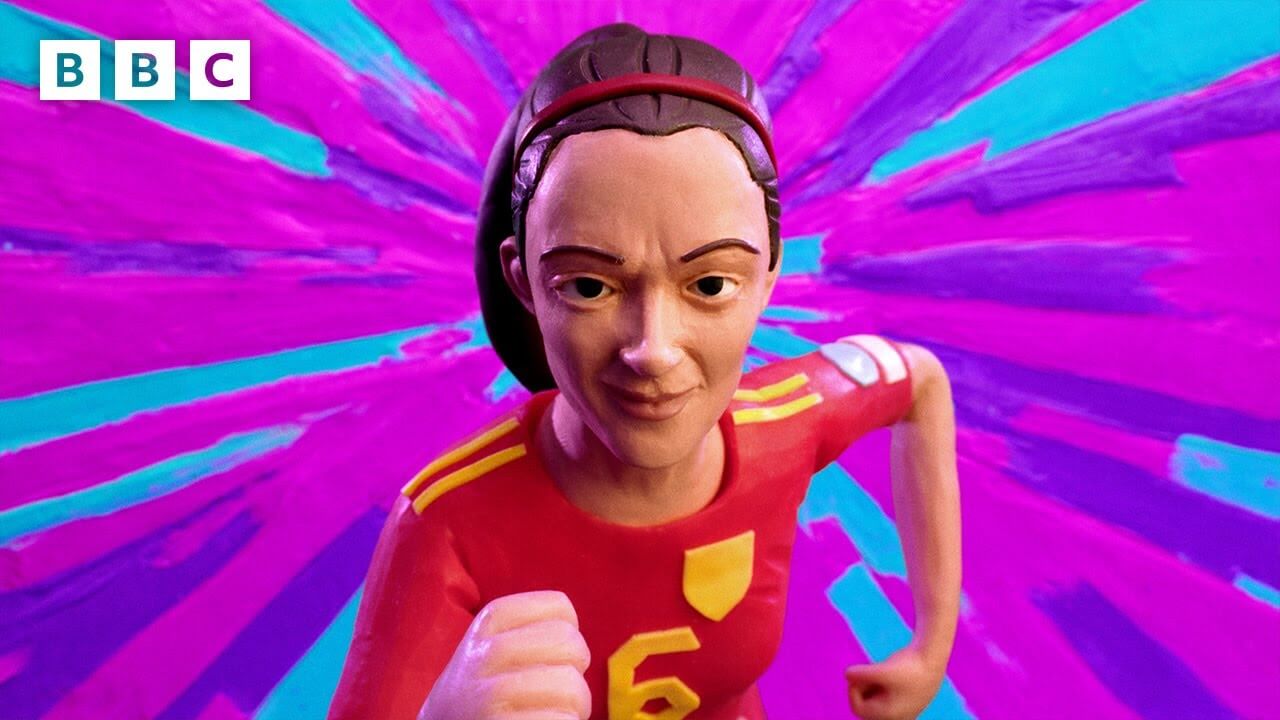
The BBC’s animated campaign, Names Will Be Made, was acclaimed for its creativity, yet it raises critical questions about gender representation in the industry. Despite being a female director’s initiative, a mere 25% of the team consisted of women, and none held vital creative leadership roles. Blinkink, the studio responsible for the project, had talented female stop-motion animators who were not utilized in this instance. This inconsistency drove the author to publish an Open Letter on social media, which attracted over 131,000 readers and resonated with others facing similar experiences.
Understanding the Gender Gap in the Industry
In the advertising field, hiring is often characterized by a three-bid process: agencies brief clients who then request pitches from various studios. Proposals come from directors who invest unpaid time to secure projects. However, in the case of the BBC campaign, the process deviated; it was a single-bid scenario, which contradicts the BBC’s obligations as a publicly funded entity committed to diversity, equity, and inclusion (DEI).
The trend of sidelining women continues from project initiation to execution. Many female directors struggle to secure positions, often relegated to smaller projects that typically focus on female audiences, lacking both budget and creative control. Thus, when a prominent opportunity like this arises, and it is awarded to a male director, it becomes particularly disheartening.
Common Justifications for Exclusion
Throughout the industry, several excuses recur to justify the absence of women in significant roles:
- “The project was rushed – we went with who we knew!” – This reflects the reality faced by production companies under pressure, where existing relationships often dictate hiring choices. However, this practice undermines inclusion, particularly in campaigns designed to empower women.
- “We couldn’t find a woman with enough experience.” – Men tend to be selected based on potential, while women are judged by their proven track records. This creates a vicious cycle where female creatives are not nurtured early in their careers, leading to a lack of experienced candidates later on.
- “We hire the best.” – This meritocratic notion fails to acknowledge the disparity in opportunities. Despite 51% of animation graduates in the UK being women, female representation in creative leadership remains below 15%. The real issue is not the pipeline of talent but rather the lack of opportunity.
- “We represent women on our roster!” – Women often receive fewer significant projects, frequently being assigned lower-budget or less impactful work, while their male counterparts enjoy more diverse opportunities.
- “We hired a woman director – what should we do next?” – The response should involve robust support and promotion of the female director’s work, equipping her with the same visibility and opportunities as her male peers.
- “We’ll do better next time.” – A crucial question remains: when will that promise materialize?
Calls for Action and Change
Hannah Lau-Walker, founder of She Drew That, emphasizes that the slow evolution of industry culture requires attention to who creates content as much as what the content conveys. Acknowledging that many campaigns aimed at empowering women may still be produced by predominantly male teams illustrates a systemic issue that must be addressed. Inclusion efforts must translate into tangible change at all levels, from commissioners to studios and agencies.
The industry must take a comprehensive approach to rectify gender inequality by implementing these strategies:
- Assess hiring practices. Regular evaluations should be conducted to analyze the gender composition of rosters and the invitation process for pitching.
- Open bidding processes. Opportunities must be accessible to a broader range of talent, ensuring fair competition.
- Promote women into leadership roles. Beyond coordination or production positions, women should have the chance to influence creative direction.
- Create mentorship programs. Supporting emerging female talent early in their careers establishes a more diverse future workforce.
- Publish gender-focused data. Transparency about gender statistics across all departments highlights areas needing improvement.
This initiative is not merely a call-out; it is an invitation to collaborate, urging every stakeholder in the industry to contribute meaningfully to change. The goal is to cultivate an environment that celebrates equity and creativity.
The Women in Animation (WIA) UK statement reiterates the urgency of addressing these disparities, emphasizing the importance of hiring practices that truly foster inclusion. Only by actively supporting and elevating women and marginalised genders can the industry hope to close the gender gap effectively.
As we celebrate the achievements of the Lionesses, the message serves as a reminder for all involved to make tangible strides towards inclusivity in every aspect of the creative process.
