


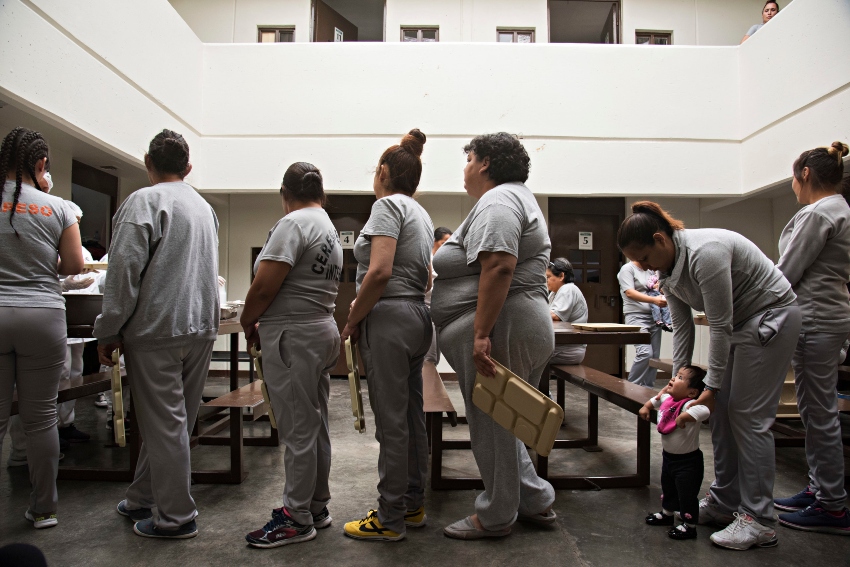
In 2023, I participated in a transformative yoga retreat in Malinalco, Mexico, where a diverse group converged, largely consisting of Mexican participants. One afternoon, as we relaxed by the pool, a conversation about women’s safety in Mexico City took an unexpected turn towards the topic of women in prisons. This prompted insights from María Sotres, a psychologist with extensive experience working in female incarceration.
María served as the Director of the Social Reintegration Program for La Cana, an organization dedicated to offering various forms of support to incarcerated women, including workshops, creative training, mental health services, educational opportunities, and legal aid.
As she recounted her experiences, we became acutely aware of troubling realities that not only reflect the state of the penal system in Mexico but also highlight pervasive gender inequalities influencing women’s lives across society.
Gender Disparities in Prisons
Currently, around 15,261 women are incarcerated in Mexico, which represents just 6.1% of the total prison population. María highlighted a stark disparity: outside male prisons, one can observe many visitors — predominantly family and friends — waiting with gifts and support. In contrast, visitation areas for women’s facilities often lie almost empty, with many women going for years without any visitors. This isolation points to deeper patriarchal norms and societal biases.
Communication surrounding male offenders contains elements of sympathy and understanding, while women often face abandonment and shame, underscoring the systemic gender biases in both crime perception and punishment.
Reasons for Female Incarceration
The prevalent reasons for female incarceration in Mexico include theft, kidnapping, homicide, and drug-related offenses. However, as María pointed out, many of these cases stem from complex circumstances of survival or self-defense. Data supports this assertion, as the majority of incarcerated women come from marginalized backgrounds, often marked by poverty, limited educational opportunities, and experiences of gender-based violence.
Many of these women have histories of being victims of physical, emotional, or sexual abuse, usually inflicted by family members or partners. These past traumas frequently play a significant role in the crimes they commit. The cycle of economic dependency and coercion drives some women into illegal activities, often at the behest of male partners. Others may accept blame for crimes involving their households or male-led organized crime groups. Tragically, many incarcerated women have suffered sexual violence prior to their imprisonment.
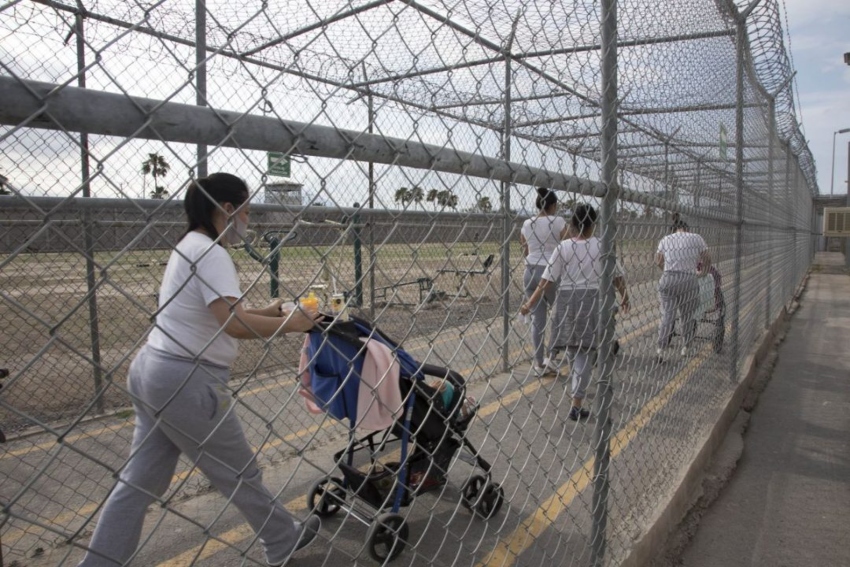
A common theme among these women is their role as the primary caregivers and financial providers for their families. In many cases, their paths to prison began with desperate choices made to support their families, such as stealing to ensure their children’s survival.
The Reality of Pretrial Detention
Under Mexican law, judges can impose pretrial detention based on various criteria, including automatic measures for specific offenses. With approximately four out of ten prisoners awaiting trial, Mexico has one of the highest rates of pretrial detention in Latin America. This situation results in individuals spending extensive periods in custody, often longer than the potential sentences for their alleged crimes.
Unlike some judicial systems that allow for risk assessments before detention is imposed, Mexico’s rules often lead to individuals being jailed based solely on accusations rather than convictions. Notably, between 49% and 53% of incarcerated women are in pretrial detention, which is higher than that of men, leading to longer waiting periods for resolution of their cases.
Impact on Children
A concerning statistic reveals that about 10% of incarcerated women are pregnant while serving their sentences. Most of these pregnancies result from conjugal visits. Women are permitted to keep their children with them until they reach the age of three, but life in prison offers minimal opportunities for education or development. Studies indicate that the early years of a child’s life are critical for growth, and lacking stimulation can lead to serious long-term consequences.
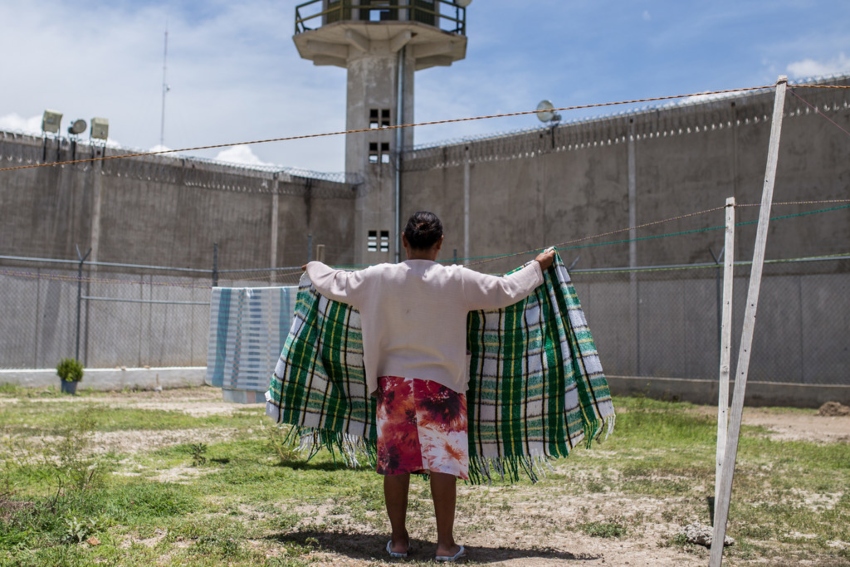
One poignant anecdote from María underscores this issue: a child was unable to name more than two colors, having only experienced the limited palette of their prison environment.
Instances of Humanity and Reform Efforts
During my discussion with María, I was struck by her optimism amid the challenges present within the system. She shared instances of compassion and solidarity among incarcerated women, such as their agreements to promote nonviolence and their enthusiasm for educational opportunities. La Cana’s programs extend beyond prison walls, offering women support upon their release, securing housing and job opportunities to assist reintegration into society. Remarkably, the organization reports that 97% of those who participate in its initiatives do not return to prison.
A Path Forward
Despite the significant obstacles and gender inequities in the Mexican penal system, the efforts of organizations such as La Cana illustrate that positive change is not only possible but already taking place. Their work sheds light on the importance of compassion and support, even within challenging circumstances.
For more about their programs or to purchase handmade items crafted by incarcerated women, please visit La Cana’s website.
Monica Belot is a writer, researcher, strategist, and an adjunct professor at Parsons School of Design in New York City, teaching in the Strategic Design & Management Program. Residing in both NYC and Mexico City with her silver labrador, Atlas, she writes on a range of topics that explore the human experience alongside travel and design.
