


The Evolution of Women’s Sports Marketing
Women’s sports are experiencing significant growth, yet challenges remain in marketing and partnerships. Allyson Felix, Olympic track and field athlete and entrepreneur, emphasizes the critical gap in marketing efforts tailored specifically for female athletes.
Breaking Barriers and New Partnerships
A notable example is Caitlin Clark, a standout athlete whose recent endorsement deal with Nike mirrors those given to iconic male athletes like Michael Jordan decades ago. Wes Felix, co-founder of the female athlete management firm Always Alpha and Allyson’s brother, argues for increased involvement from brands focused solely on women’s products in the realm of sports.
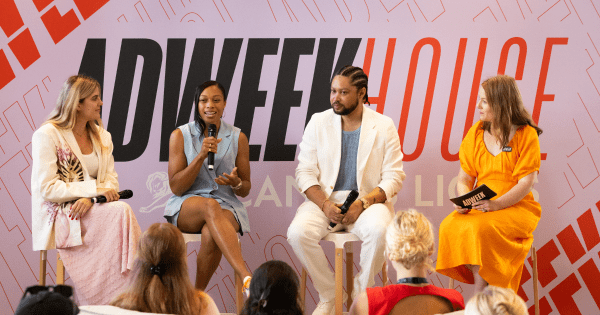
After her public separation from Nike, highlighted in a 2019 New York Times op-ed, Allyson Felix set a new precedent by partnering with Athleta, marking the brand as the first to sponsor a female athlete. “It opened up a new pathway for partnerships,” she noted during a presentation at ADWEEK House in Cannes.
Industry Changes and New Models
This Athleta partnership has paved the way for the brand to sign other female athletes, including Katie Ledecky and Simone Biles, showcasing a shift in traditional sponsorship models. Wes Felix pointed out that Sephora’s recent collaboration with the WNBA’s Golden State Valkyries is an example of “true sports marketing” that has yet to be widely embraced in the beauty industry.
He emphasizes that companies targeting women consumers should seize the opportunity to support women’s sports: “Many brands focused on female audiences need to get involved more actively.”
Addressing a Growing Market
For female athletes, establishing dialogues with brands can be daunting, often requiring education on both the sports and brand landscape. Wes Felix explained, “You often have to inform potential partners about the sports world.” This highlights a lack of familiarity among beauty brand executives regarding sports marketing.
According to Cosette Chaput, CEO of Always Alpha, the industry has evolved past traditional endorsements. “We have the freedom to innovate,” she stated, suggesting that new forms of collaboration are essential for sustaining female athletes.
The Power of Content Creation
Allyson Felix underscored that female athletes are increasingly taking ownership of their narratives through direct engagement across various platforms. “As we share our stories, it creates new opportunities for brand partnerships,” she noted, emphasizing the collective power of female athletes in shaping the market.
Building an All-Women Agency
In 2024, the Felix siblings founded Always Alpha, an athlete management firm focused exclusively on women. Wes Felix shared their vision: “To unlock the full potential of women’s sports, we must fully commit to this space.” The firm aims to support female athletes, many of whom earn a significant portion of their income from off-field activities due to pay disparities.
Cosette Chaput highlighted that female athletes often rely on outside income, making up 80-90% of their earnings compared to 30-40% for their male counterparts. “This disparity motivated us to create a new model that serves female athletes better,” she explained.
A Call for Collective Support
Wes Felix pointed out that the future success of women’s sports hinges not only on brand support but also on the backing of women themselves. He reflected on the impact celebrities like Taylor Swift could have if they shifted their attention to women’s sports, suggesting that a collective commitment could rapidly elevate women’s sports to a dominant position.
