


The MAGA Look: A Deep Dive into Political Aesthetics
In recent years, the aesthetic associated with Donald Trump’s “Make America Great Again” (MAGA) movement has garnered significant attention, particularly among women in his inner circle. Political consultant Melissa Rein Lively exemplifies this style, characterized by long, blond wavy hair and striking makeup, which she claims reflects her support for the former president.
A New Wave of Republican Women
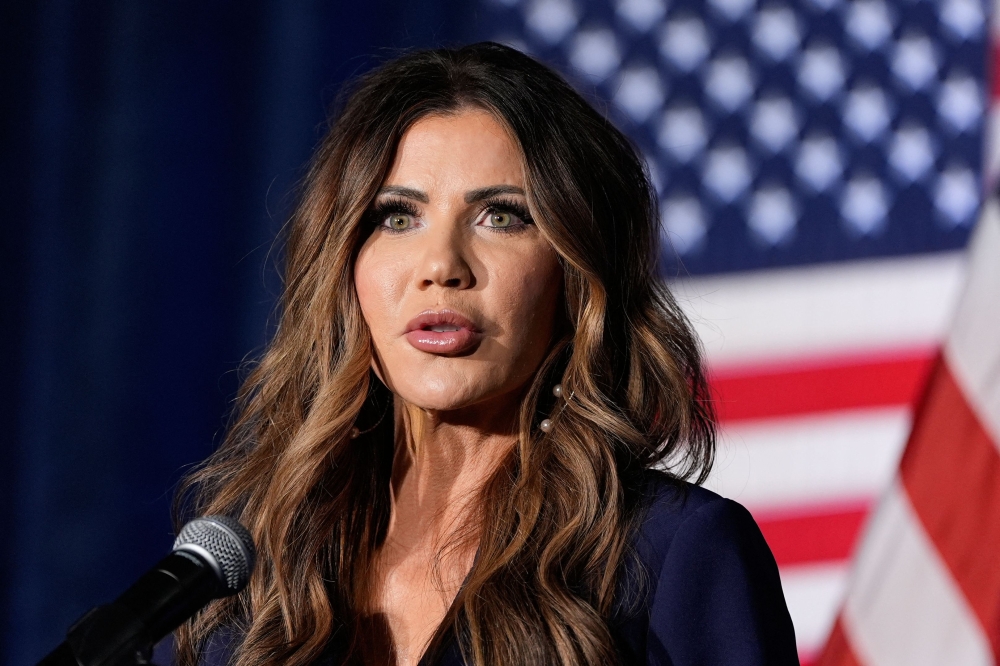
As Trump’s political brand has evolved, a distinctive group of affluent Republican women have emerged, showcasing what has been dubbed the “MAGA look.” Lively, the founder of “America First,” a public relations agency promoting traditional conservative values, asserts that this aesthetic is more than mere fashion; it’s an expression of identity and community.
“This has always been my look. I just found my tribe,” said Lively, emphasizing the depth of connections forged within this political landscape. For many of these women, fashion signifies unity and shared values.
Defining MAGA Aesthetics
Often aligning themselves with traditional Christian values, these women adopt a striking appearance that includes:
- Long hair, typically styled in waves
- Heavy makeup and contouring techniques
- Skirts and dresses, projecting femininity
- Cosmetic enhancements, such as fillers and surgical procedures
The robust visual presentation aims not just to command attention but also to affirm a stance in the current socio-political climate. This aesthetic has roots in the broader context of a gender-focused political landscape.
Emerging Voices in MAGA
Following the tragic assassination of prominent MAGA influencer Charlie Kirk, his widow Erika has taken a leading role in the movement’s youth outreach programs. Her memorial services, infused with personal anecdotes and spiritual implications, further echo the intertwined nature of faith and politics in the MAGA movement.
“It’s so hard to articulate the beauty of an Ephesians 5 marriage when you actually have a man that’s worth following,” Erika noted, reflecting the shared emphasis on personal and familial ideals among these women.
Critique and Interpretation
Experts have analyzed the implications of the MAGA look, asserting that it goes beyond fashion. Juliet Williams, a professor of gender studies at UCLA, explains that this phenomenon is intricately connected to broader gender dynamics. The aesthetics serve as “war paint” for women, demonstrating how personal appearance is leveraged within political narratives.
Rein Lively counters notions of subjugation, claiming her commitment to self-care, including routine gym sessions and regular beauty treatments, is entirely voluntary. “By absolutely nobody’s volition other than my own do I spend two hours in the gym every day,” she stated, reinforcing the personal choice behind such investments in appearance.
The Paradox of Empowerment
This emphasis on beauty and femininity creates a paradox within the conservative narrative. Dermatologist Daniel Belkin points out the ironic stance of MAGA supporters: while they typically oppose gender-affirming treatments for transgender individuals, many embrace similar aesthetic enhancements themselves.
As seen in public portrayals, such as animation parodies, the juxtaposition of traditional conservatism alongside hyper-feminine aesthetics raises questions about authenticity and gender roles within the movement.
Conclusion
The MAGA look encapsulates a unique intersection of fashion, ideology, and identity, highlighting how personal appearance can influence political affiliations. As this phenomenon continues to evolve, it remains essential to understand its implications on societal standards and the broader political landscape.
