


In 1972, a tragic incident unfolded when loyalist paramilitaries targeted the home of Sarah McClenaghan, a Catholic woman. That evening, she was at home with her lodger, a Protestant, and her disabled son, David. In a horrifying act, the paramilitaries forced David to retrieve his mother’s rosary beads, using this as proof of her Catholic faith. Sarah was raped, and David was subsequently tortured before both were shot, with David succumbing to his injuries.
Recent discussions regarding violence against women and girls in Northern Ireland brought Sarah and David to mind, particularly amidst claims that such violence has been imported by migrants or asylum seekers. In reality, these issues have long-standing roots within the region.
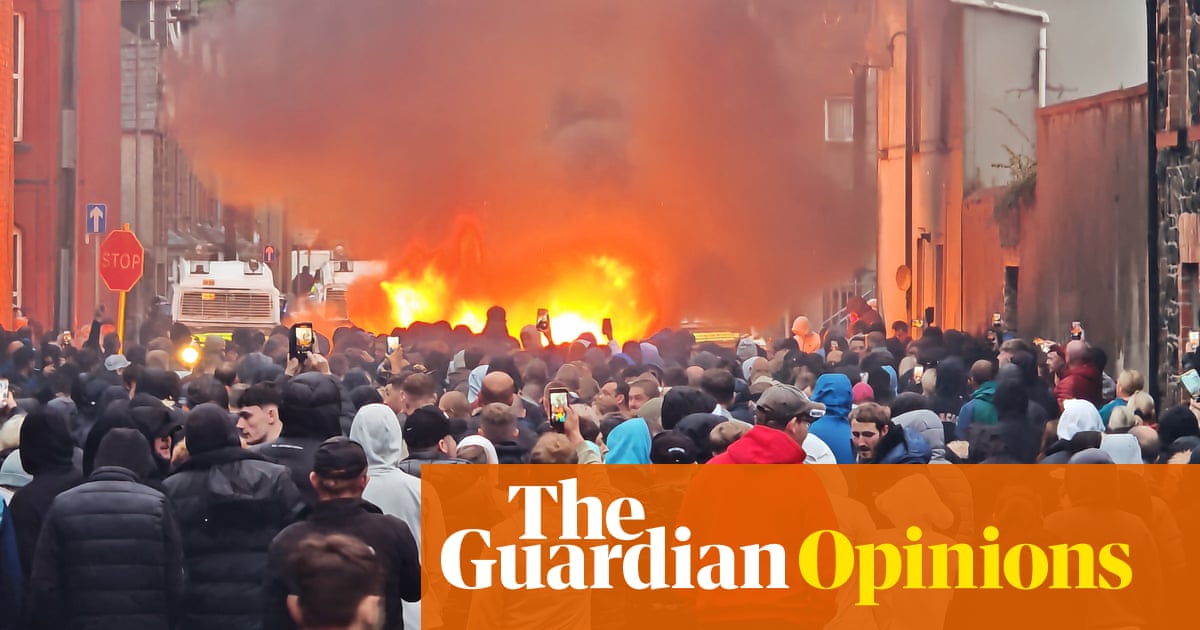
The violent riots in Ballymena were ignited by the arrest of two 14-year-old boys accused of attempting to rape a local girl. Following the arrests, the victim’s family reached out for community support, prompting peaceful protests. However, this soon escalated into riots, with reports indicating the involvement of members from local loyalist paramilitary groups like the South East Antrim Ulster Defence Association. Journalists such as Allison Morris have highlighted the irony in these events, noting that the very organizations purportedly protecting women have been linked to the protection of sex offenders.
This outbreak of violence is steeped in racism, rather than genuine concern for community safety. The rioters have adopted rhetoric aimed at driving out migrant populations, specifically targeting Roma communities. Local online platforms affiliated with far-right groups have disseminated calls for violence, framing the narrative around the need to protect “our women” and uphold “Christian values.”
As highlighted by the chief constable of the Police Service of Northern Ireland (PSNI), the riots have further traumatized the young victim of the alleged assault. Her family has openly condemned the violence, urging for it to cease.
Violence against women has been a persistent issue in Northern Ireland. The region has historically placed women in vulnerable positions, particularly during the Troubles when many were left to manage households alone due to a lack of support from absent partners. Tragically, women have continued to fall victim to violence; for example, recent PSNI statistics indicate that in the 2023-24 period, there were 4,090 recorded sexual offenses.
The case of Natalie McNally stands out as a heartbreaking example. With whom the author had a personal connection, Natalie was murdered in December 2022 while pregnant. The impending trial of her accused assailant is a stark reminder of the ongoing risks women face.
Persistent narratives blaming migrants for local crime highlight a disturbing trend. While acknowledging the frustrations associated with rising immigration and the pressures it places on public services, attributing Northern Ireland’s issues solely to migration is misleading. Historical neglect and underfunding by local politicians have significantly contributed to these systemic challenges.
With racially motivated hate crimes hitting record highs, it is essential to confront the underlying issues of racism and xenophobia that pervade the community. These sentiments not only affect marginalized groups but also undermine the integrity of civil discourse within both Catholic and Protestant communities.
As articulated by advocates, if women were to respond to every act of violence against them with riots, the resultant chaos would engulf the entire country. A re-examination of the root causes of violence and societal divisions in Northern Ireland is essential for fostering a safer environment for all.
