


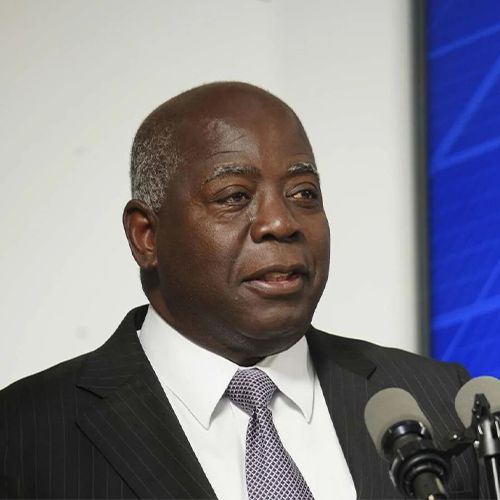
Advocating for Women in Bahamian Politics
The political landscape in The Bahamas, as described by Prime Minister Philip “Brave” Davis, faces significant challenges that discourage both men and women from participating. He emphasized the pressing need for more female representation in Parliament while addressing the concerning nature of political dynamics in the country.
Concerns About Political Climate
During recent discussions with reporters, Davis remarked, “The challenge with our politics is it has become so feral that it drives away not just good women, but good men as well.” This sentiment reflects a broader concern that the aggressive and often negative political tactics dissuade capable candidates from entering the fray.
Progress in Representation
In the lead-up to the 2021 elections, the Progressive Liberal Party (PLP) took steps to enhance female participation by nominating seven women, all of whom secured seats in the 39-seat Parliament. Davis expressed his aspiration to build on this achievement, stating, “I would like to see as many as I could have, for them to come forward and for them to be able to win the hearts and minds of the electorate in the constituency they would wish to run.”
Support from Female Leaders
Patricia Deveaux, the MP for Bamboo Town and Speaker of the House, echoed Davis’s sentiments, advocating for each major party to nominate at least 15 women candidates in future elections. She acknowledged the harsh realities many women face, noting, “You’re attacked from all fronts.” This comment highlights the emotional toll that political participation can take on women, especially those balancing family responsibilities.
Perceptions of Women in Leadership
A survey conducted by William J. Fielding from the University of The Bahamas, at the behest of the Department of Gender and Family Affairs, revealed troubling perceptions regarding women in politics. The survey indicated that a significant portion of respondents views politics as a “dirty” game, which discourages female involvement. Approximately 69% of both men and women agreed that this image affects women’s willingness to engage in political leadership.
Barriers to Political Entry
Fielding’s research identified financial support as a critical barrier for women aspiring to enter politics, with 43.5% of women citing it as a challenge. This situation suggests a pervasive societal doubt regarding women’s leadership capabilities, hindering financial backing for female candidates. The survey further indicated that 82% of female respondents and 67% of male respondents attributed the absence of a female Prime Minister in The Bahamas to a lack of confidence in women’s abilities to lead.
Future Aspirations
Both Davis and Deveaux emphasize the need for systemic changes to create a more welcoming environment for women in politics. With an eye toward future elections, the hope is to challenge existing perceptions and encourage more women to take on leadership roles.
While progress has been made, the journey to equitable representation in Bahamian politics continues, underscoring the importance of fostering a political climate where all individuals feel valued and empowered.
