


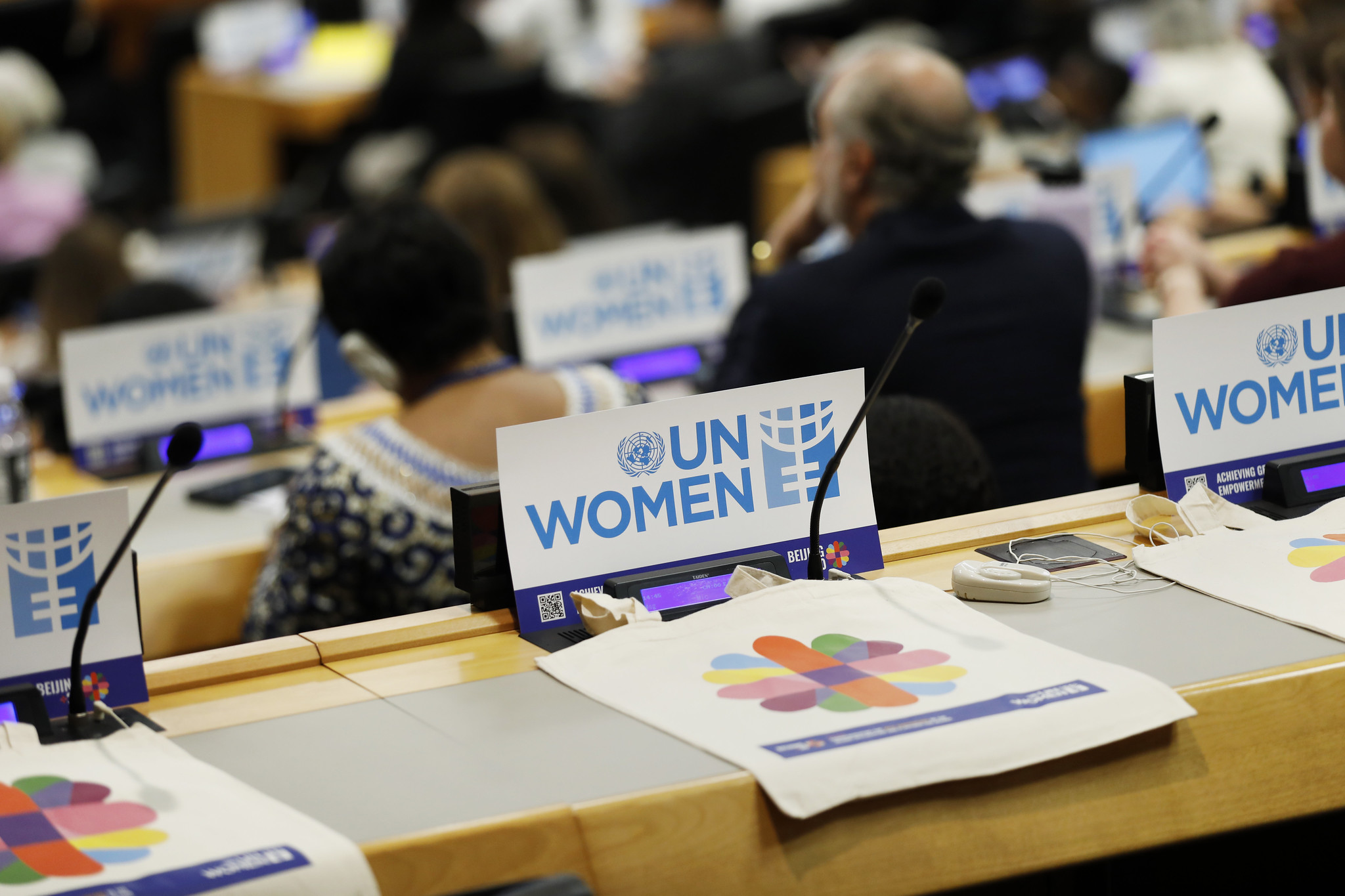
Challenges to Women, Peace, and Security: A 25-Year Retrospective

Introduction to UNSCR 1325
Adopted in the year 2000, United Nations Security Council Resolution 1325 on Women, Peace, and Security (WPS) marked a significant milestone in recognizing the unique challenges women face in conflict zones, as well as their crucial contributions to peacebuilding. However, as we reach its 25th anniversary, it seems the resolution’s core principles risk being overshadowed by pressing security agendas and political dynamics.
The Evolution of UNSCR 1325
UNSCR 1325 has been pivotal in embedding gender considerations within security policies. It has encouraged greater female participation in conflict resolution and strengthened protections against gender-based violence. Critics argue that despite its achievements, the actual implementation of its mandates is facing significant regression.
The Current Backlash Against Women’s Rights
UN Secretary General Antonio Guterres recently highlighted the alarming erosion of progress on women’s rights. Authoritarian regimes and populist movements are increasingly framing gender equality as an affront to traditional values. A stark example is seen in Afghanistan, where Taliban policies have severely restricted women’s rights post-conflict negotiations that largely excluded their voices.
Inadequate Representation in Peace Talks
The absence of women in critical peace discussions is troubling. Guterres noted that women were nearly invisible during negotiations aimed at addressing conflicts in regions such as Ethiopia, Yemen, and Libya. Their exclusion raises concerns about the durability and effectiveness of peace agreements.
Multilateral Challenges
The landscape of women’s rights at multilateral institutions is shifting. Recent statements in the UN Security Council reflect a growing divide on issues such as sexual and reproductive health, often resulting in diluted language around WPS. This trend is observable even in nations traditionally viewed as progressive, like the United States, which has made recent cuts to programs supporting women’s issues in defense.
NATO’s Struggles
Within NATO, discussions about WPS are frequently overshadowed by military priorities. This was evident at the 2025 NATO Summit, where no commitments were made to fund WPS initiatives, despite prior promises to integrate these agendas into broader security strategies. This lack of financial support from military institutions undermines the foundational aims of UNSCR 1325.
Institutional Barriers and Gender Perspectives
In many organizations, gender advisers tasked with advancing the WPS agenda face considerable institutional barriers, such as a lack of resources and unfavorable workplace cultures. Kinetic military strategies continue to dominate discussions, leaving gender considerations as an afterthought rather than a crucial element of mission success.
Need for Recommitment to WPS Principles
Commemorating the 25th anniversary of UNSCR 1325 serves as a vital opportunity to reevaluate and reinforce global commitments to gender equality in the context of peace and security. This reassessment must challenge prevailing militarized narratives that prioritize military effectiveness over the deeper societal transformations necessary for sustainable peace.
A Call to Action
The future of women’s rights in peace and security is precarious, and a commitment to the principles outlined in UNSCR 1325 is more important than ever. Governments and institutions must acknowledge that true stability cannot be achieved without embedding gender equality at the center of peacebuilding initiatives.
