


Diversity in Australian Politics: A New Era of Representation
A Transformative Election
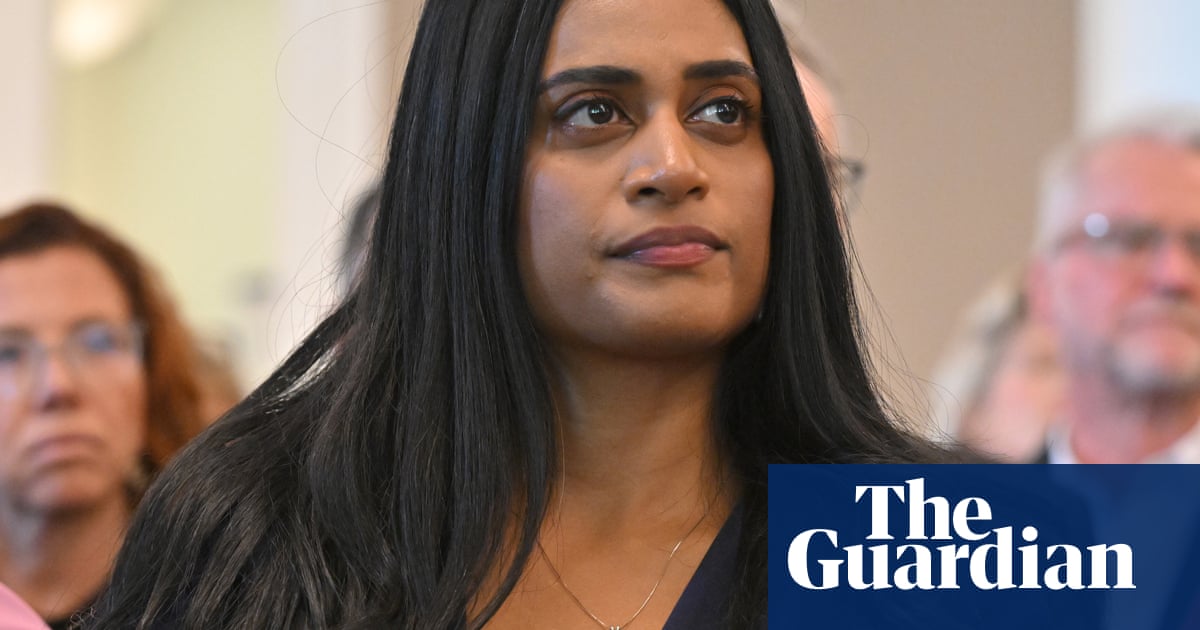
The recent federal election in Australia ushered in a wave of change, notably in the form of increased representation in parliament. This shift is highlighted by the election of Ash Ambihaipahar, a young lawyer of Sri Lankan descent, who successfully secured the multicultural seat of Barton in Sydney.
Ambihaipahar emphasizes the impact of her upbringing, supported by the diverse Maltese and Italian communities around her, stating, “I didn’t see a lot of people who looked like me in government roles.” She notes the significance of the current government in improving representation, mentioning the influx of women and cultural diversity.
Record Diversity in the 48th Parliament
The 48th Parliament of Australia is being heralded as the most diverse to date, characterized by a significant increase in both female and multicultural representation. Currently, over 55% of Labor’s Members of Parliament (MPs) and senators are women, a rise from 53% in the previous term.
- In the House of Representatives, women comprise a majority within the Labor party, totaling 50 out of 93 members.
- In the Senate, 18 out of 28, or possibly up to 19 out of 30, Labor senators are women.
- In stark contrast, the Liberal party maintains around 21% female representation, unchanged from the last parliamentary session, although it will be led by a woman, Sussan Ley, for the first time.
Comparative Representation and Progress
The current composition of the Parliament signals a shift towards greater inclusivity. The number of non-European representatives across parties has risen, with recent elections bringing the total to approximately 20—comprised of eight First Nations MPs and senators among the 226 total representatives.
Data from a report by Media Diversity Australia reveals that approximately 25% of Australia’s population identifies as having a non-European cultural background, while First Nations people represent 3.2%. An analysis by Osmond Chiu highlights Australia’s need to make further strides in minority representation compared to countries like Canada and the UK, which report higher percentages of representatives from visible minority groups relative to their populations.
Challenges and Future Directions
Despite the progress, challenges remain. Labor currently has 13 culturally diverse members, with potential increases pending final tallies, yet the diversity within the cabinet has not seen similar growth, with just four of the 23 ministers from non-European backgrounds. However, significant milestones have been achieved, such as the appointment of Anne Aly, the first Muslim woman in a cabinet role.
Ed Husic, who previously served in cabinet and has spoken out on various issues, encourages more diverse voices to actively participate in the political discourse, emphasizing the need for representation to reflect the community accurately.
Voices for Change
Ambihaipahar expresses her belief in the positive impacts of increased diversity in governance, stating, “I think we make better [and] fairer decisions when we have a parliament that looks like its community.” This sentiment reflects a broader understanding among diverse representatives regarding their role in shaping policies that resonate with the entire population.
New Liberal MP Leon Rebello, who has a multicultural background, underscores the importance of equal representation in political branches. He emphasizes the need for ongoing efforts to engage multicultural communities in the political process as the journey towards equitable representation continues.
