


Liberal Party’s Gender Representation Debate: Quotas vs. Organic Growth
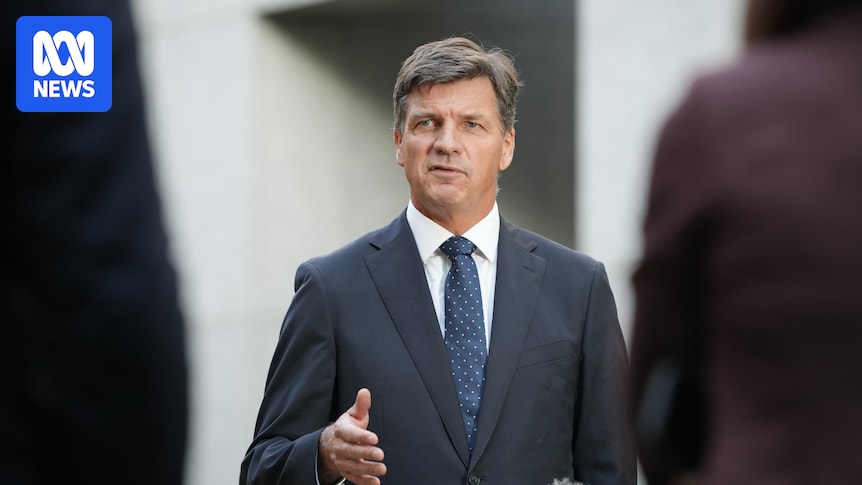
The ongoing discussion regarding female representation within the Liberal Party is intensifying, as party leaders express varied opinions on the implementation of gender quotas. Angus Taylor, a prominent figure and rival to Sussan Ley for party leadership, has called for a “crusade” to elevate the participation of women in the party but remains firmly against the notion of formal quotas.
Current Status of Female Representation
As it stands, the House of Representatives includes only six women among the 28 Liberal Party members, highlighting an alarming gender imbalance. Sussan Ley, the Opposition Leader, has committed to addressing this issue, aiming to enhance female representation significantly. However, her stance on quotas remains undecided, indicating a nuanced approach.
A Divergence in Views
Taylor’s perspective aligns with many conservative voices within the party who view the pursuit of gender quotas as a potential tactic that could enable moderates to gain more influence in pre-selection processes, particularly in branches where conservatives traditionally dominate. Earlier statements from former Prime Minister Tony Abbott reflect this sentiment, asserting that quotas contradict the liberal principles and meritocracy that should guide party values.
Alternative Strategies for Inclusion
In light of this disagreement, Taylor has suggested that there are more effective methods to increase female representation than quotas, emphasizing the importance of mentoring, recruitment, and support systems. “I think there are better ways of achieving this,” he conveyed during an interview with ABC Radio National.
The Moderates’ Perspective
While a few moderate women have successfully secured nominations prior to recent elections, the mood among moderate factions is one of concern. They argue that the existing pre-selection processes are unfavorable towards their candidates. Notably, Simon Birmingham, a retired leader within the moderate group, has pushed for “hard, fast, and ambitious” quotas, acknowledging the challenge posed by a homogeneous membership base.
Issues of Internal Parity
The reduced presence of women in decision-making roles is evident in Ley’s frontbench selections, which some conservatives argue may indicate neglect towards female representatives from the right. Several women, including Sarah Henderson and Claire Chandler, have been removed from key positions, raising eyebrows about the party’s commitment to gender equality.
State-Level Variations
The topic of quotas is further complicated by the Liberal Party’s federated structure, with Ley affirming that each state branch should determine its approach. “Some state divisions might choose to implement quotas. If they do, that’s fine,” she noted, emphasizing the need for increased representation without enforcing a uniform strategy across the board.
Looking Ahead
The upcoming review led by James McGrath, a senator not affiliated with either faction within the party, will likely address these critical issues. With Queensland currently showing the least gender balance at the federal level, followed closely by Western Australia, the focus on representation will be vital as the party navigates its future.
As the Liberal Party continues to grapple with these challenges, the discussions surrounding female representation and the methods to achieve greater inclusivity remain at the forefront of internal dialogues.
