


Ally Financial’s Pioneering Investment in Women’s Sports
Ally Financial has made significant strides in the world of sports sponsorship since 2022 by focusing its resources on women’s athletics. This strategic pivot has coincided with a remarkable surge in popularity for women’s sports over the past few years.
Growing Audience Engagement
Recent statistics highlight the booming interest in women’s sports. For instance, the 2024 National Women’s Soccer League championship achieved its highest audience numbers to date, while nearly 18.9 million viewers tuned in to watch the NCAA women’s basketball championship—up from 10 million in 2023. Additionally, the 2024 WNBA draft attracted 2.4 million viewers, marking a staggering 328% increase from the previous year, largely driven by star player Caitlin Clark.
Strategic Branding and Market Positioning
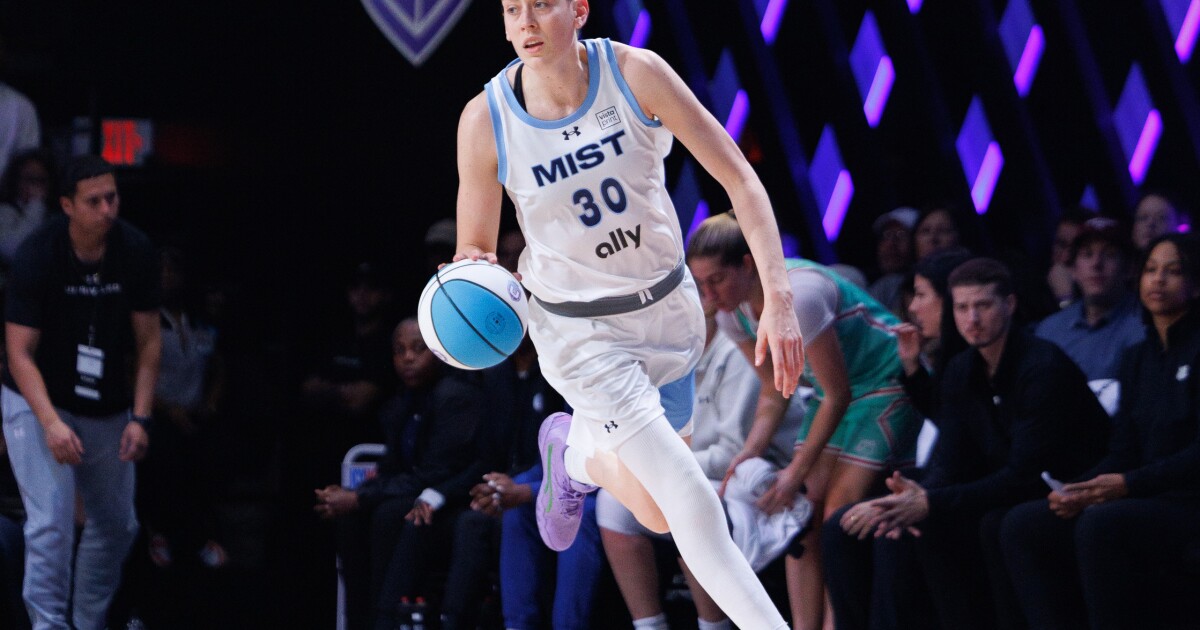
Throughout this growth period, Ally’s branding was prominently featured on various sports venues and athlete uniforms. “It’s allowed us to carve out a really unique space and to have a really disruptive and loud voice on a much smaller overall spend,” noted Andrea Brimmer, Ally’s Chief Marketing and Public Relations Officer.
This sponsorship initiative was formalized in May 2022, when Ally pledged to allocate equal advertising spending to men’s and women’s sports by 2027. This commitment led the financial institution to become the official banking partner of both the WNBA and the NWSL, along with backing the U.S. Women’s Open golf championship and various Atlantic Coast Conference sports championships.
Measuring Success
Ally’s investment in women’s sports has not only enhanced its brand image but has also demonstrated tangible returns. In 2024, Ally’s brand value increased by 31%, as reported by Brand Finance. Amid a tumultuous time for many banks, particularly during 2023’s regional banking crisis, Ally managed to improve its public reputation.
Historically, women’s sports have received a fraction of the sponsorship funding compared to their male counterparts. For instance, the NBA garnered $1.6 billion in sponsorships, while the WNBA received just $76 million. As such, Ally’s strategic spending in women’s leagues has proven to be impactful.
A Transformative Commitment
Brimmer highlights the significance of this undertaking, stating, “I was like, ‘OK, we’re part of the problem.'” Following insights revealing that 94% of women in leadership roles had competitive sports backgrounds, Ally chose to address the disparity in representation within advertising funds. The bank’s commitment to gender parity in sports sponsorship reflects a broader trend toward supporting equality in athletics.
Currently, Ally is approaching a 52/48 split in advertising between men’s and women’s sports, moving toward its goal of equal investment by 2026.
Implications for the Banking Sector
For banks, supporting women’s sports presents numerous advantages, including diverse opportunities for investment across leagues and teams. With approximately 30% of U.S. adults following women’s professional or college sports, the audience for these events continues to grow.
Pledging support for women’s sports resonates with a significant portion of the population, as a 2023 survey reported that 74% of Americans believe companies should invest equally in men’s and women’s sports.
Future Outlook
As Ally Financial’s approach gains momentum, it sets a precedent for other banks to follow. While the initial advantage may position Ally favorably, industry experts caution that existing leaders in this emerging market must continuously innovate to maintain their edge. “The early winners don’t always become the long-term winners,” cautioned Bob Lynch, CEO of the sponsor data platform SponsorUnited.
Looking forward, Brimmer emphasizes a collaborative approach: “We invite more brands to come on board and make sure that these leagues thrive.” This sentiment underscores the potential for a collective movement toward greater investment and visibility for women’s sports.
