


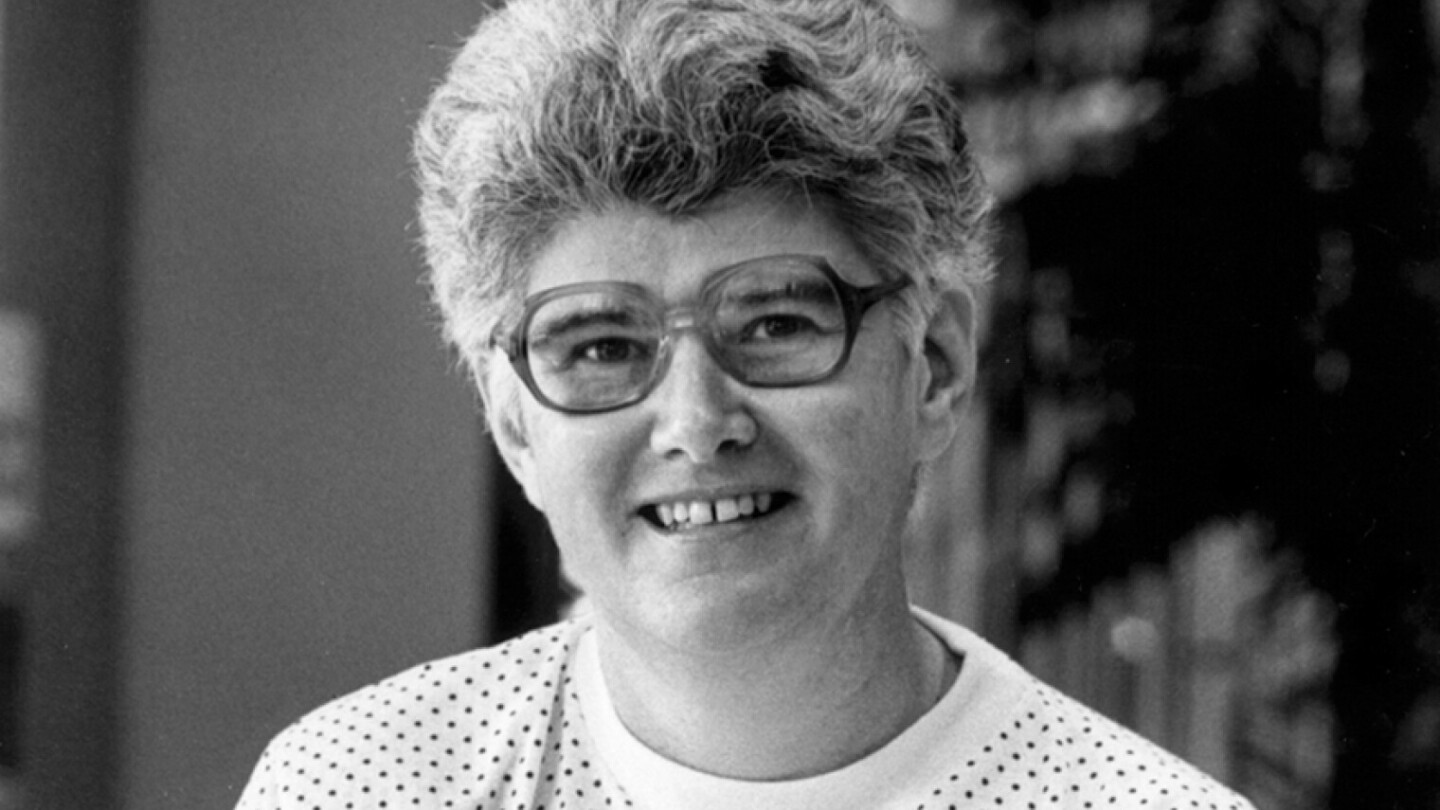
In Memoriam: Margaret Walsh Rossiter
August 3 marked the passing of Prof. Margaret Rossiter, a transformative figure in the history of science, recognized for her pioneering work on women scientists.
A Legacy of Scholarship
Margaret Walsh Rossiter, born July 8, 1944, in Malden, Massachusetts, has left an indelible mark on the field of history of science, particularly in the study of women scientists. Her extensive research over a career that spanned more than fifty years has reshaped how we view women’s contributions to science.
Education and Early Career
Rossiter began her academic journey at Radcliffe College in 1962, initially focusing on mathematics but soon transitioning to chemistry and ultimately the history of science. She earned her PhD from Yale University in 1971. Her dissertation, published in 1975 under the title The Emergence of Agricultural Science, Justus Liebig and the Americans, 1840–1880, laid the foundation for her future research and insights.
Influence on Gender Studies
In a time when the history of science often overlooked contributions from women, Rossiter took significant strides to rectify this. Her multi-volume series, Women Scientists in America, published in 1982, 1995, and 2012, became benchmarks in this field. Rossiter’s works highlighted the barriers women faced and introduced concepts such as the “Matilda effect,” illustrating the systematic discrediting of women’s contributions.
Institutional Contributions
Beyond her publications, Rossiter’s role as a founding member of the Women’s Caucus of the History of Science Society and the international Commission on Women in the History of Science illustrated her commitment to creating spaces for women in the field. These initiatives not only fostered collaboration but also encouraged budding historians to explore gender-related themes in science.
Acknowledgments and Awards
Her pioneering work earned her numerous accolades, including the prestigious MacArthur Fellowship in 1989, which helped secure her a permanent faculty position at Cornell University. Rossiter’s other honors include multiple fellowships and the George Sarton Medal, marking her notable lifetime achievements in scholarship.
Lasting Impact and Future Directions
In 2002, Rossiter queried whether her groundbreaking scholarship would lead to an exhaustion of the field or inspire further exploration. She answered affirmatively, noting an expanding body of literature on women in science—a testament to her lasting influence. As the Commission celebrated its 40th anniversary, she encouraged forward-thinking in her colleagues, urging them to focus on future initiatives rather than retrospective achievements.
