


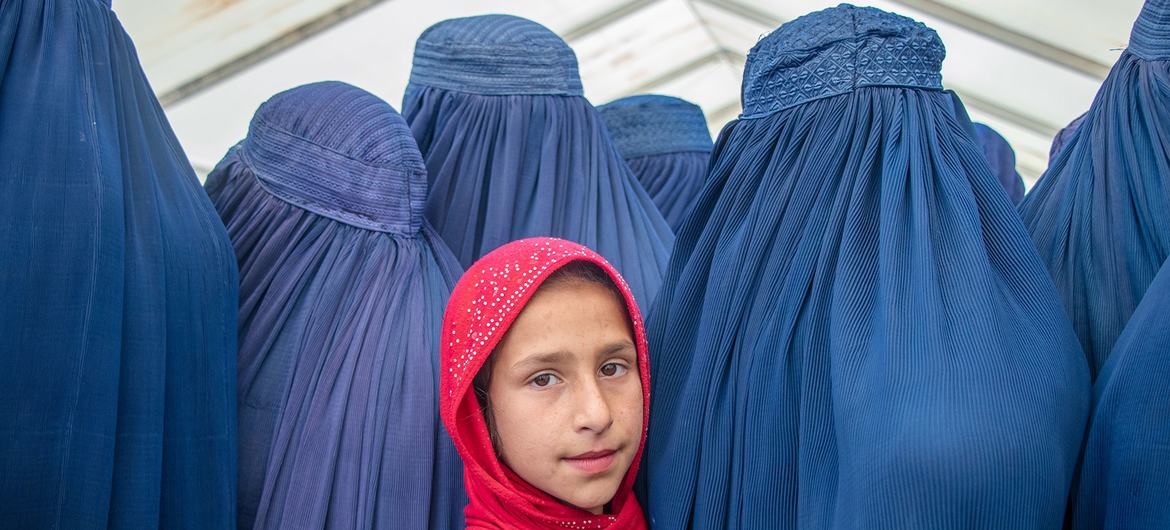
Gender Inequality in Afghanistan: A UN Women Report Overview
Alarming Trends in Gender Representation
According to the latest index published by UN Women, the participation of women in Afghanistan is at an unprecedented low. Currently, there are:
- Zero women occupying positions in national or local decision-making bodies.
- Zero girls expected to enter secondary education following a ban set to take effect in December 2024.
This report represents the most comprehensive analysis of gender inequality in Afghanistan since the Taliban regained control in 2021, providing a stark overview of the challenges facing Afghan women.
Historical Context of Gender Inequality
The UN Women report underscores that the current regime has intensified already existing inequalities, stating, “Since [2021], we have witnessed a deliberate and unprecedented assault on the rights, dignity and very existence of Afghan women and girls,” as noted by Sofia Calltorp, Chief of Humanitarian Action at UN Women.
Afghanistan now ranks as having the second-largest gender gap in the world, with a staggering 76% disparity in various sectors such as health, education, and employment.
The Consequences of Systematic Exclusion
The systematic marginalization of women in Afghanistan not only hampers progress towards achieving the Sustainable Development Goals (SDGs), but also perpetuates poverty and instability. This trend makes diversifying the economy increasingly difficult.
UN Women Executive Director Sima Bahous emphasized, “Afghanistan’s greatest resource is its women and girls. Their potential continues to be untapped.”
As of now, only 24% of women are included in the workforce, in stark contrast to 89% of men. Many women have been compelled to join the labor market due to ongoing economic hardships, yet they typically face lower wages and higher job insecurity.
Resilience Amid Challenges
Despite severe restrictions, Afghan women continue to display resilience and determination. Ms. Calltorp remarked, “[Afghan women] continue to find ways to run businesses and advocate for their rights – and the rights of all Afghans. Their courage and resilience spans generations.”
The Deteriorating Humanitarian Situation
The humanitarian landscape in Afghanistan is also increasingly dire, with only 18% of the 2025 response plan funded. This funding shortfall disproportionately impacts women and vulnerable communities, leading to the closure of vital services, such as:
- 300 nutrition sites for vulnerable mothers and children.
- 216 support centers for gender-based violence prevention.
In light of these challenges, UN agencies urge global donors for more timely and flexible funding, emphasizing the crucial role such support plays in mitigating humanitarian crises.
