


Advocating for Women’s Participation in Nigerian Politics
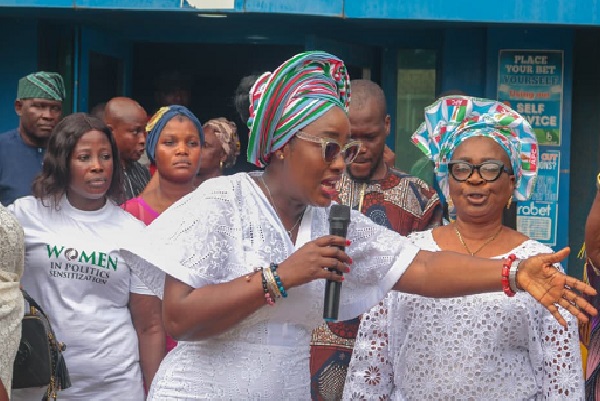
During a recent sensitisation programme focused on elevating women’s roles in politics, influential female leaders from various fields underscored the essential need for Nigerian women to actively engage in political processes. The event, titled “Understanding Our Role in Active Politics,” was organized by young farmer Omolara Svensson and took place at the Akin Alabi Foundation in Ibadan.
The Call for Increased Representation
Akin Alabi, the member representing the Egbeda/Ona Ara Federal Constituency in the House of Representatives, articulated the urgent necessity for collective efforts to enhance women’s representation in Nigeria’s democratic framework. He noted that current figures show alarmingly low female representation in both the House of Representatives and the Senate. Alabi advocated for constitutional amendments aimed at increasing the number of seats allotted to women in legislative bodies.
“If you look at the House of Representatives, there are very few women, and likewise in the Senate,” said Alabi, emphasizing the need for change.
Challenges Faced by Women in Politics
Alabi identified significant obstacles women face in the political arena, including the demanding nature of political duties that often conflict with family responsibilities. He stressed the importance of men supporting women in politics, urging constructive conversations about how to facilitate their participation.
A Legislative Proposal for More Female Seats
He also highlighted a proposed bill aimed at reserving 182 legislative seats specifically for women, comprised of both national and state-level positions. This bill includes plans for 74 additional seats in the National Assembly and 108 in state Houses of Assembly, providing a structured approach to increasing women’s participation.
Empowering Women: Insights from Dr. Oyenike Adeleke
Guest speaker Dr. Oyenike Adeleke called on women to break free from societal constraints and become actively involved in the electoral process. She urged community leaders to encourage men to support their spouses in political initiatives.
“Women have much to contribute to economic development,” Dr. Adeleke said, emphasizing that women’s leadership can drive significant societal progress.
Expanding Awareness and Opportunities
Mrs. Hannah Ogunesan, a former Head of Service in Oyo State, echoed the sentiment for heightened awareness regarding women’s roles in governance. She stated that perceiving women as equal to men in rights and opportunities is crucial for societal advancement.
“If you are not involved, you may not be considered. However, if you work for it, you will undoubtedly be recognised,” she encouraged.
A Collective Effort for Change
Organizer Omolara Svensson concluded the event by stressing that women’s inclusion in politics is not merely a privilege but a democratic necessity. She emphasized that the challenges faced at home should not deter women from making substantial contributions to governance.
“We need more women involved in decision-making and policy formulation at all levels,” Svensson stated. “There is no shortcut to achieving effective governance.”
The programme marked a significant step in advocating for women’s empowerment in Nigerian politics, highlighting the collective commitment required to bring about meaningful change.
