


Addressing Breast Cancer Disparities in the Pacific Islands
— Breast cancer, recognized as the most prevalent cancer in women globally, poses a significant health issue across various income levels and regions, including the Pacific Islands. During Breast Cancer Awareness Month, discussions center on the urgent need to tackle the disparities faced by women in this region and strategies to combat this trend.
The Impact of Breast Cancer in the Pacific
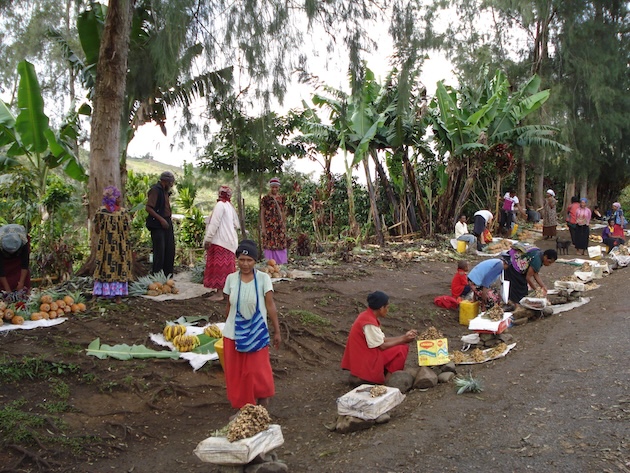
In Papua New Guinea’s Madang Province, Tabitha Waka of the Country Women’s Association highlights the disparity in cancer awareness: “Most of our women residing in urban centers have access to enough information and facts about cancer, but at least half who live in rural areas don’t.”
The World Health Organization (WHO) forecasts a steep rise in breast cancer diagnoses, estimating that annual cases could reach 3.2 million by 2050. In the Pacific Islands, which contain 22 nations and a population of 14 million, over 15,500 cancer cases and approximately 9,000 cancer-related deaths were recorded in 2022. However, experts caution that these figures may not represent the true extent of the issue.
Data and Resource Challenges
Challenges in cancer data collection hinder accurate estimations of the true burden of breast cancer in the Pacific Islands. Dr. Berlin Kafoa, Director of the Pacific Community’s Public Health Division, emphasizes that inadequate population-based cancer registries contribute to this issue, which countries are actively working to address.
Disparities in Care and Survival Rates
Women in rural communities face significant barriers to accessing knowledge and resources regarding breast cancer. With only 50% survival rates in low-income countries compared to 83% in high-income nations, the disparity underscores the need for immediate action. Breast cancer can manifest as unusual lumps and physical changes, and early detection is critical for successful treatment.
Geographical Barriers
In Papua New Guinea, mammograms are available only in urban areas, necessitating difficult journeys for the majority of women living in remote locations to access vital health care services.
Cultural Taboos and Treatment Hesitation
Cultural factors also play a significant role. Many women may feel uncomfortable seeking treatment due to local taboos surrounding medical examinations. Waka points out that societal pressures can either encourage or deter women from pursuing treatment, with concerns about body changes post-surgery further complicating their decisions.
The Urgency for Action
Immediate measures are essential to enhance women’s health outcomes and align with Sustainable Development Goal No. 3, which advocates for good health and well-being. As breast cancer cases globally are expected to rise by 38% and mortality by 68% by 2050, the Pacific Islands face a projected 84% increase in cancer incidence by 2040.
Strategic Responses and Solutions
The national health plan of Papua New Guinea aims to strengthen health services to combat cancer morbidity and mortality, yet the rollout of a nationwide breast screening program remains a goal yet to be fulfilled. Waka calls for more investment in breast cancer services, stating that “one or two facilities is not enough to cater for the large numbers of women living with breast cancer.”
Innovative approaches, such as collaboration with Australian health agencies for cancer registry software, are underway. Dr. Grant R. Muddle, a global health expert, shares insights on leveraging mobile technology for data recording and telemedicine to connect isolated clinics to specialists, facilitating access to care.
Recent Developments
A recent milestone in rural healthcare was a new public hospital opening in Enga province, with plans to operationalize a mammography unit. Muddle advocates for mobile screening units to provide care directly to underserved communities, minimizing the need for women to travel long distances for screening.
Conclusion
As Papua New Guinea commemorates its 50th Independence anniversary, these initiatives hold promise for enhancing breast cancer survival rates and making strides towards national healthcare goals. Prime Minister James Marape urges collective efforts: “What needs to be done, we must do. Let us not compromise basic healthcare but at the same time provide specialist care.”
