


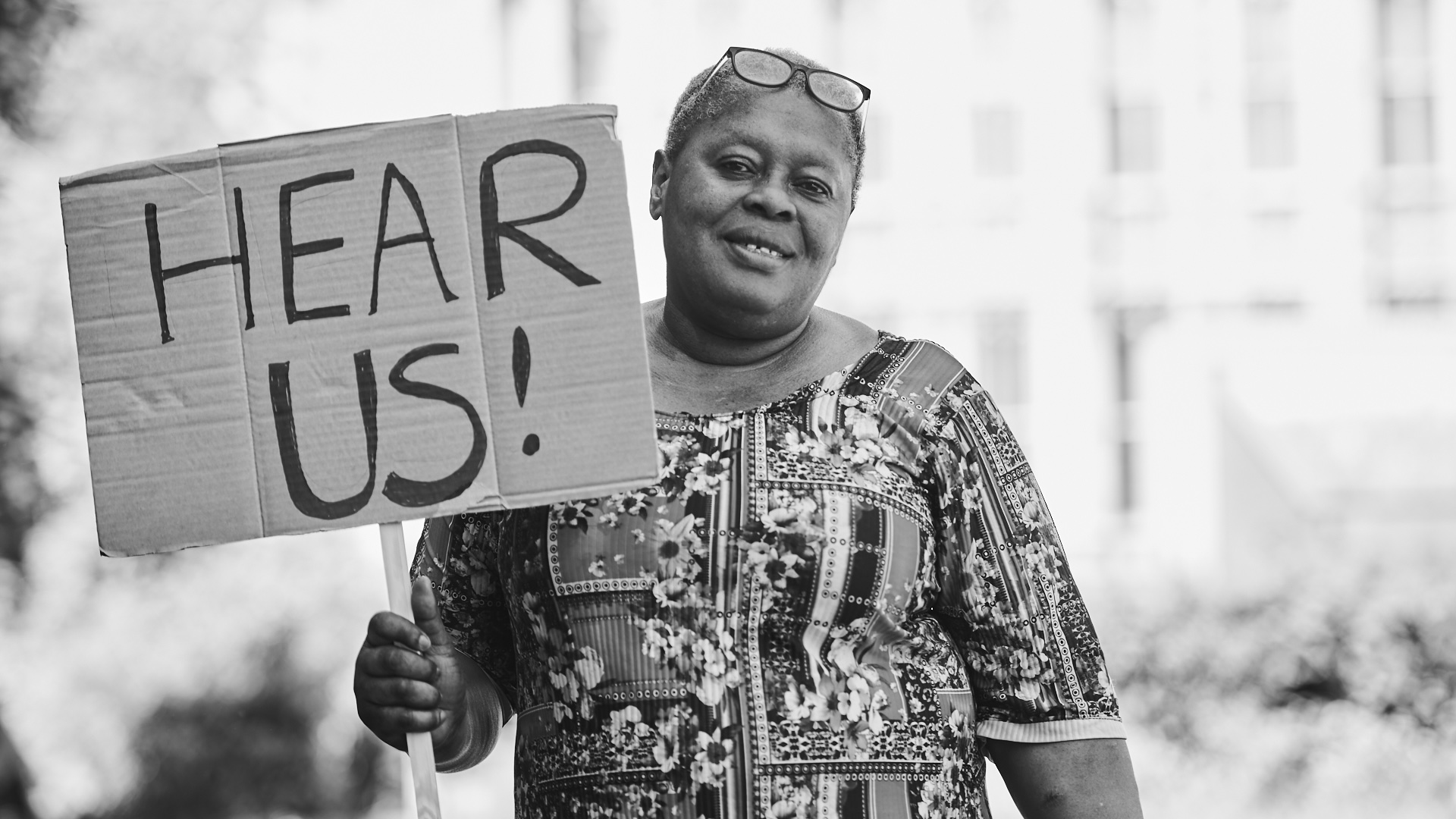
Voices of Asylum Seekers: The Reality of Seeking Refuge in the UK
Asylum seekers in the UK, like Maria and Memory, face significant challenges while navigating their new lives. Both women have fled their home countries seeking safety from dire circumstances, only to find themselves in precarious situations not far from London.
Maria’s Struggles Amidst Ongoing Protests
Maria, who has been residing in a hotel just outside of London for over a year, is currently waiting for her asylum claim to be processed. Unfortunately, her accommodation has become a site of turmoil; last summer, violent protests erupted targeting the hotel, and subsequent smaller-scale protests have occurred four times within the last two months. These protests may not dominate headlines, but they have a profound impact on residents like Maria.
Maria expressed her feelings, stating: “In my home country, I was not safe – physically or mentally, now I feel the same things in the UK. My mental health has been affected so badly, I’m taking medication now for depression.”
Memory’s Re-Traumatization and Fear
Similarly, Memory, another asylum seeker, shared her own harrowing experiences. Living in an environment filled with fear triggers painful memories from her past: “It is re-traumatising. It brings back memories of the very reasons I had to flee my home. It is upsetting and draining – mentally and physically – to be living in constant fear.” Her situation is compounded by her identity, as she mentioned, “being a black woman makes me more aware of my identity.” The stigma associated with being a refugee leads her to withhold her status from potential acquaintances, fearing negative reactions.
The UK’s Image vs. Reality
This situation is a stark contrast to the UK’s self-image as a nation that champions human rights. The juxtaposition of these women’s experiences against public protests and political indifference reveals a troubling narrative. The emotional toll of such societal responses, marked by demonstrations against vulnerable individuals, reflects a broader culture of fear that needs addressing.
A Call to Action for Compassion
To foster a more compassionate environment, the government must prioritize responsibility over populist rhetoric. Media portrayals should focus on the lived experiences of these individuals, understanding that they are not mere statistics but real people with complex stories. We know from direct interactions with those we support that these women seek safety from extraordinary threats and violence.
Investing in a Compassionate Asylum System
To confront the ongoing crisis, the UK needs to move towards an asylum system that is equitable and humane. Long-term accommodations like hotels are not suitable solutions for those already in distress. Creating communities that embrace newcomers is essential; we should not allow negative sentiments to dictate the narrative of who belongs in our society.
A Pivotal Question for Society
As the anniversary of last summer’s protests approaches, it prompts a crucial question: Whose voices prevail in our society—those that instill fear or those that seek refuge? The answer to this question will shape our collective identity moving forward.
Written by Carenza Arnold, head of campaigns for Women for Refugee Women.
Share Your Story
If you have a personal experience or opinions related to this topic, we invite you to share your thoughts with us.
