


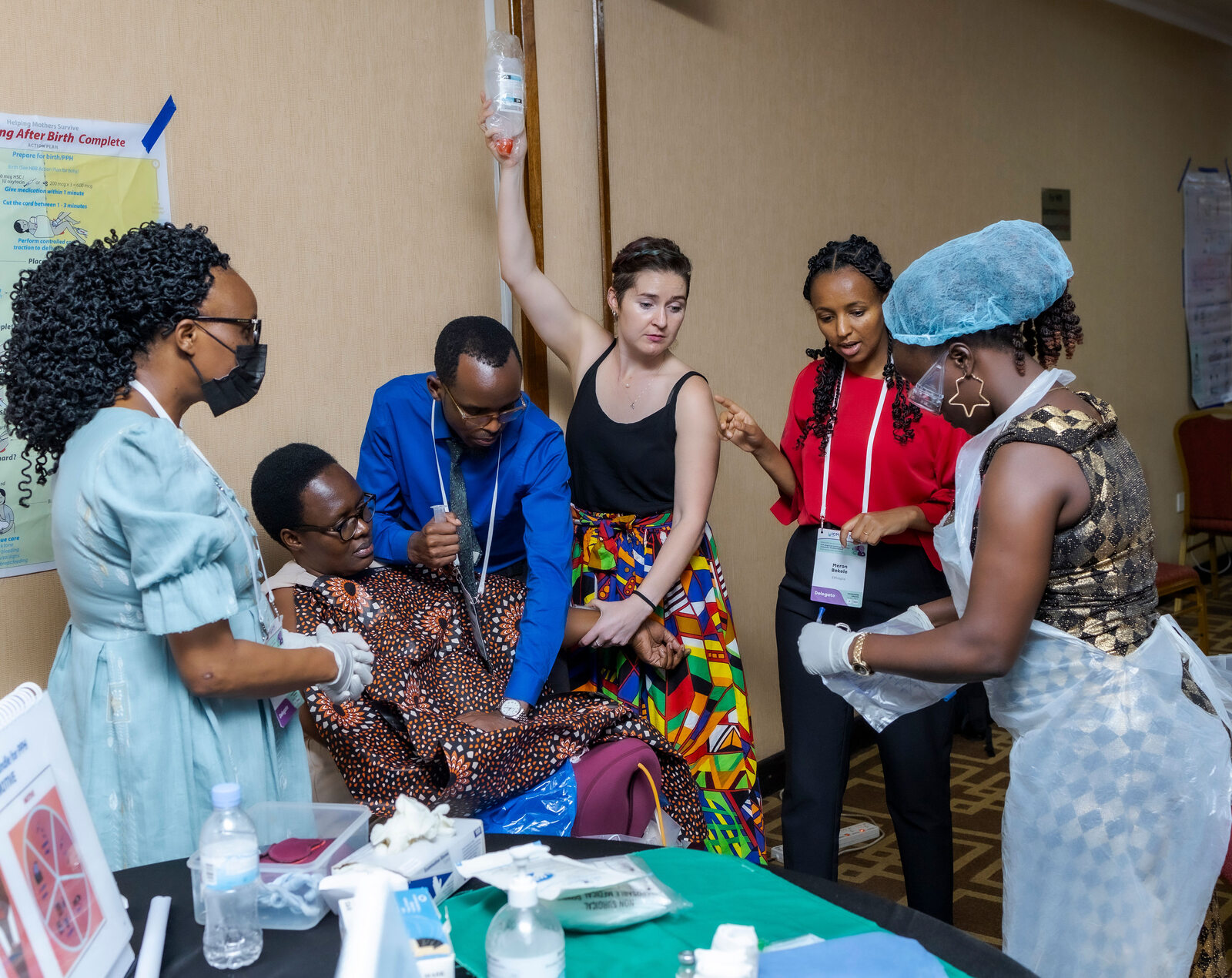
World PPH Day: A Global Commitment to Maternal Health
Every year, postpartum hemorrhage (PPH) claims the lives of tens of thousands of women, making it a leading cause of maternal mortality worldwide. Despite being preventable and treatable, nearly 45,000 women died from PPH in 2023, particularly in low- and middle-income countries where healthcare resources are limited.
The Need for Action Against Postpartum Hemorrhage
These tragic losses are largely preventable through access to effective medical treatments and trained healthcare professionals. However, the primary roadblocks have been inadequate global focus, insufficient political commitment, and disorganized health initiatives. Overcoming these challenges is crucial to ensure that every woman has the opportunity to receive the care she needs.
Introducing World PPH Day
As part of a global effort to improve maternal health, 5 October 2025 will be recognized as the inaugural World PPH Day. This date will serve as an annual reminder for collective action and responsibility aimed at eradicating preventable maternal deaths due to PPH.
Origin of World PPH Day
The concept for this important day emerged from the WHO Roadmap to Combat Postpartum Haemorrhage (2023–2030). The roadmap highlights the necessity of unified efforts to prioritize PPH within the global health agenda. Over the past two years, various organizations, including the International Confederation of Midwives (ICM) and World Health Organization (WHO), have united to advocate for meaningful change.
Significance of World PPH Day
This day serves multiple vital purposes:
- Increase awareness about PPH as a preventable cause of maternal mortality.
- Honor the lives lost to PPH, giving a voice to families and survivors.
- Encourage governments and funding agencies to allocate resources for PPH prevention and treatment.
- Highlight existing solutions, including effective medications and skilled midwifery care.
- Promote accountability through annual reviews of progress made in PPH mortality rates.
The first World PPH Day will also feature a comprehensive suite of guidelines and clinical tools, crafted collaboratively by key global health organizations to standardize and improve care in various countries.
Progress and Achievements
Recent years have shown that effective measures can significantly reduce PPH-related deaths. Countries like Nigeria, Ethiopia, and Kenya have already made strides by integrating PPH treatment protocols into healthcare systems, thus demonstrating that substantial improvements are possible with dedicated efforts.
- Nigeria and Ethiopia have integrated PPH treatment bundles into their healthcare guidelines.
- Kenya has enhanced monitoring of the supply chain for essential medications.
- Bangladesh has implemented digital tools to assist midwives in recognizing and responding to PPH cases efficiently.
These initiatives confirm that with the right tools and training, maternal deaths from PPH can be substantially mitigated.
A Call to Action
The establishment of World PPH Day is not just a milestone; it is a call to action for all stakeholders involved in maternal health:
- Accurately track and report maternal deaths from PPH, fostering a culture of accountability.
- Invest in necessary tools, medications, and training to prepare healthcare providers effectively.
- Support midwives and frontline health workers with the resources and recognition they deserve.
- Ensure that marginalized women, who are most at risk, receive the care they need.
With strategic partnerships, robust leadership, and a focus on equity, we can eliminate preventable deaths from PPH.
Looking Forward
Beginning in 2025, every 5 October will offer an opportunity to reflect on PPH as a critical public health issue. The annual observance will align with global health objectives, such as the Sustainable Development Goals, further reinforcing the idea that addressing PPH is not just a healthcare imperative but a matter of human rights and social justice.
